
Beautiful Plants For Your Interior
Beautiful Plants For Your Interior
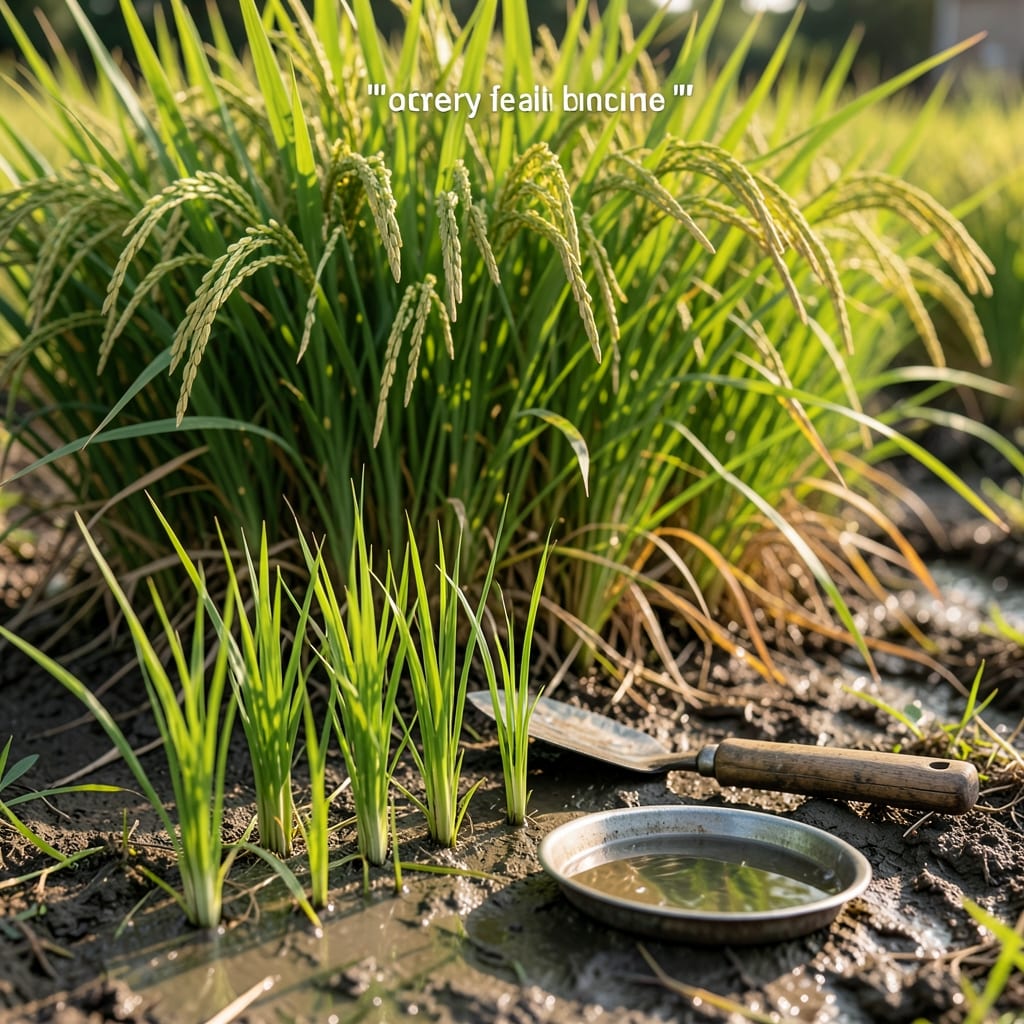
Black clayey soil is rich in organic matter and minerals, offering high fertility and water retention, though its dense texture can hinder drainage and root growth.
I’ve worked with this soil type extensively, and its high cation exchange capacity is what makes it a powerhouse for holding nutrients plants need. The dark color comes from decayed plant material, which boosts its fertility. However, that same density can compact easily, so I always recommend mixing in compost or sand to improve its structure. 🔥
This balance of benefits and challenges is why many farmers value it for crops that thrive in moisture-rich environments. ✨
💡 In This Article
The secret lies in its cation exchange capacity, which can reach 20-50 meq/100g—far higher than sandy soils. Clay particles carry negative charges that attract and hold positively charged nutrients like calcium, magnesium, and potassium. This electrostatic bond prevents nutrients from washing away during rain or irrigation. 🔥
Black color indicates high humus content (often 5-10% organic matter), the decomposed plant material that acts like a nutrient reservoir. As humus breaks down, it releases nitrogen, phosphorus, and sulfur in plant-available forms. The soil’s pH of 6.5-7.5 further optimizes nutrient availability for most crops. ✨
Microscopic clay platelets create a massive surface area—up to 800 m² per gram—providing countless binding sites. This is why black clayey soil can store 3-4 times more water than sandy alternatives. The trade-off is that tightly bound nutrients may require microbial action to become accessible to roots. 💫
Its mineral composition typically includes smectite and illite clays, which swell when wet, creating a gel-like consistency. This property helps retain moisture but can suffocate roots if the soil becomes waterlogged. The dark hue also absorbs more solar radiation, warming the soil faster in spring. ⚡
For comparison, this soil holds nutrients like a high-capacity battery, while sandy soil behaves more like a leaky bucket. The difference becomes obvious when growing nitrogen-hungry crops like corn—black clayey soil often requires 30-40% less fertilizer to achieve the same yield. 🌟
The dark color comes from high humus content, typically 5-10% organic matter from decomposed plants. This organic material also gives the soil its fertility and ability to retain moisture so effectively.
Nutrient-hungry plants like corn, wheat, and soybeans thrive here. The soil’s high cation exchange capacity of 20-50 meq/100g provides consistent access to essential minerals.
Dig a 12-inch deep hole, fill it with water. If it doesn’t drain within 4 hours, your soil needs amendment. This simple test reveals drainage issues before planting.
Yes, when used correctly. Apply 20-30 lbs per 100 sq ft and water it in. Gypsum helps break up clay without altering pH, making it safe for most garden plants.