
Beautiful Plants For Your Interior
Beautiful Plants For Your Interior
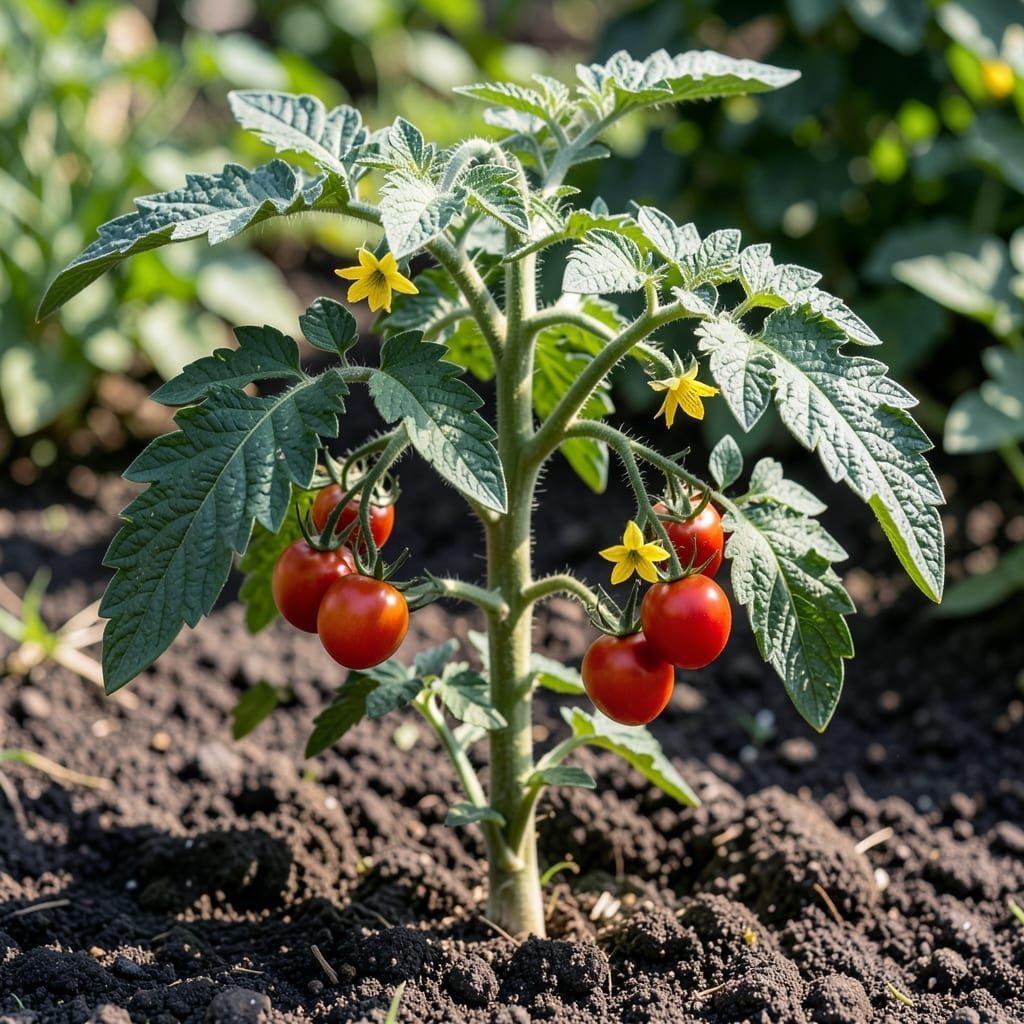
Healthy Tomato plants start from the ground up—literally. The right soil conditions can mean the difference between a lackluster harvest and a bumper crop of juicy, flavorful 🍅.
I’ve seen firsthand how even small adjustments to your soil can transform struggling plants into thriving ones. Whether you’re a seasoned gardener or just starting out, understanding these basics is the key.
From pH levels to nutrient balance, the foundation of great tomatoes lies beneath the surface. Getting this right sets you up for success all season long.
Let me walk you through exactly what your soil needs to give your plants the best possible start. You’ll be amazed at the difference it makes.
If you want juicy, flavorful tomatoes, the foundation starts with your soil. I’ve learned that the right soil conditions can transform a struggling plant into a thriving producer. It’s not just about dirt—it’s about creating an environment where roots can access nutrients, water, and air effortlessly.
Tomatoes thrive in loamy, well-draining soil rich in organic matter. The ideal pH range is slightly acidic, between 6.0 and 6.8. This balance ensures nutrient availability while preventing toxicities that can stunt growth. Without it, even the healthiest seedlings may struggle to reach their potential.
| Requirement | Specification |
|---|---|
| pH Level | 6.0-6.8 |
| Soil Type | Loamy, well-draining |
| Organic Matter | High (compost/manure) |
| N-P-K Ratio | Balanced (5-10-10) |
| Drainage | Excellent |
I always recommend testing your soil before planting. A simple pH test kit from your local garden center can reveal whether you need to adjust acidity with lime or sulfur. Remember, tomatoes are heavy feeders, so amending with compost or aged manure gives them the nutrient boost they crave.
Texture matters too. Sandy soil drains quickly but may lack nutrients, while clay holds moisture but can suffocate roots. The sweet spot is a loamy mix—about 40% sand, 40% silt, and 20% clay—which retains moisture without waterlogging. I’ve seen raised beds work wonders for gardeners with poor native soil.
Don’t overlook drainage. Tomatoes hate “wet feet”, so if your garden stays soggy after rain, consider amending with perlite or planting in raised beds. A good rule of thumb: if water pools on the surface for more than an hour, your soil needs improvement.
For container gardeners, choose a high-quality potting mix designed for vegetables. Avoid cheap fills that compact over time. I like to blend in coconut coir for better moisture retention and aeration. It’s a game-changer for potted tomato plants.
Nutrient balance is critical. While tomatoes need nitrogen for leafy growth, too much can lead to lush foliage but few fruits. Focus on a balanced fertilizer with higher phosphorus and potassium to support flowering and fruiting. I use a 5-10-10 ratio for most of my plants.
Finally, remember that consistent moisture is key. Tomato roots need even watering to prevent issues like blossom end rot. I water deeply once or twice a week, depending on rainfall, and always at the base to avoid wetting the leaves.
With the right soil, your tomatoes will reward you with vibrant growth and abundant harvests. It’s the difference between surviving and thriving in your garden 🌱
Preparing your soil properly sets the stage for thriving tomato plants. I always start by testing the pH level—tomatoes prefer a range of 6.0 to 6.8. If it’s too acidic or alkaline, I amend it with lime or sulfur accordingly.
Next, I focus on organic matter. Adding aged compost or well-rotted manure improves both nutrient content and soil structure. This ensures roots can access water and air easily.
I also check for drainage issues. Tomatoes hate soggy roots, so I amend heavy clay with coarse sand or perlite. Raised beds can be a great solution if drainage is a persistent problem in your garden.
Another key step is mulching. I use straw or shredded leaves to keep soil moisture consistent and prevent weeds. This also helps regulate soil temperature, which tomatoes love.
Don’t forget to avoid fresh manure—it can burn young plants. I stick to aged compost or organic fertilizers. Over-fertilizing, especially with nitrogen, can lead to lush foliage but few fruits.
Finally, I loosen the soil to a depth of 12-18 inches before planting. This encourages deep root growth and better access to nutrients. A little effort upfront pays off with healthier, more productive plants.
With these steps, your tomatoes will have the best start possible 🌱