
Beautiful Plants For Your Interior
Beautiful Plants For Your Interior
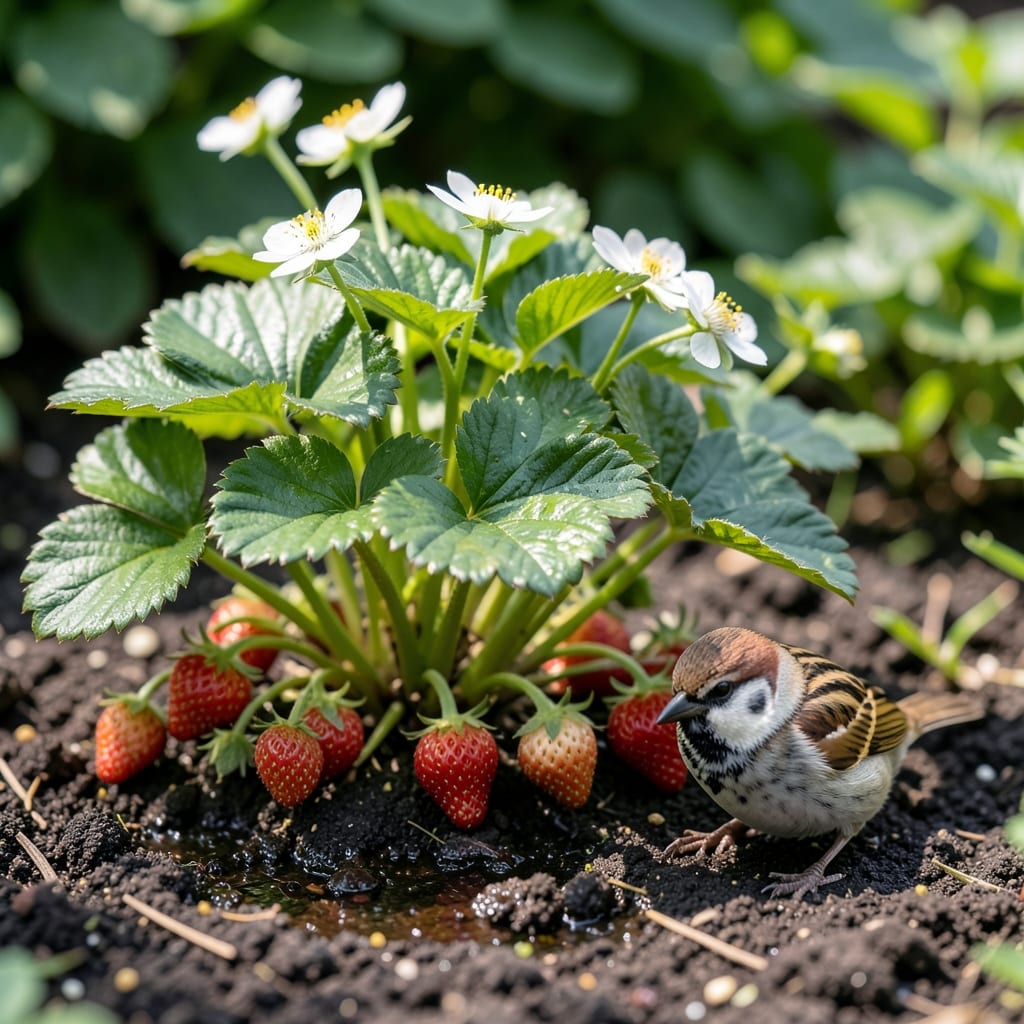
Birds can be both beneficial and harmful to strawberry plants. They eat pests like slugs and insects but may also peck at ripe berries, causing damage to your harvest.
I’ve seen this balance play out in my own garden—while feathered visitors help control destructive bugs, their appetite for juicy fruit can be frustrating. 🔥 The key is timing: early in the season, their pest-hunting benefits outweigh the risks, but as berries ripen, protection becomes essential. Strategic planting near bird-friendly shrubs can create a natural deterrent system. ✨
💡 In This Article
The relationship starts with pest control. Robins and sparrows target garden nuisances like cutworms, beetles, and slugs that feed on strawberry foliage. A single robin can consume up to 14 feet of earthworms and hundreds of insects daily, significantly reducing pest pressure on your plants. This natural predation often eliminates the need for chemical pesticides.
🔥
As berries begin to ripen, the dynamic shifts. Cedar waxwings and starlings are particularly drawn to the bright red fruit, pecking at 50-80% of a crop if left unprotected. Their sharp beaks can damage not just the fruit but the plant’s productive crowns.
The timing is critical—most bird damage occurs during the 2-3 days when berries transition from white to red. ✨
Some bird species offer a middle ground. Bluebirds, for instance, prefer insects over fruit, consuming up to 100 grasshoppers per day while rarely touching strawberries. Their presence can boost yields by 20-30% through pest reduction alone. This selective feeding behavior makes them ideal garden allies. 💫
The impact extends beyond immediate consumption. Bird activity aerates soil as they forage, improving water penetration to strawberry roots. However, their droppings, while nitrogen-rich, can burn delicate strawberry leaves if concentrated. The net effect depends on your local bird population and strawberry variety. ⚡
Early-season varieties like Earliglow often suffer more bird damage because they ripen when insect populations are low, forcing birds to seek alternative food. Late-bearing types such as Sparkle may benefit more from bird pest control as insect populations peak during their growth phase. This timing difference can influence your protection strategies.
No, only certain species like cedar waxwings and starlings target fruit. Bluebirds and robins prefer insects, making them garden allies that rarely harm berries.
The 2-3 days when berries turn from white to red is most vulnerable. Birds scout early, so install netting 2-3 weeks before ripening begins.
Yes, owl statues work temporarily. Rotate their position weekly to prevent birds from getting used to them. Reflective tape adds extra protection.
Use 1/2-inch mesh netting draped taut over plants and secured at edges. This prevents tangling while keeping birds away from fruit.