
Beautiful Plants For Your Interior
Beautiful Plants For Your Interior
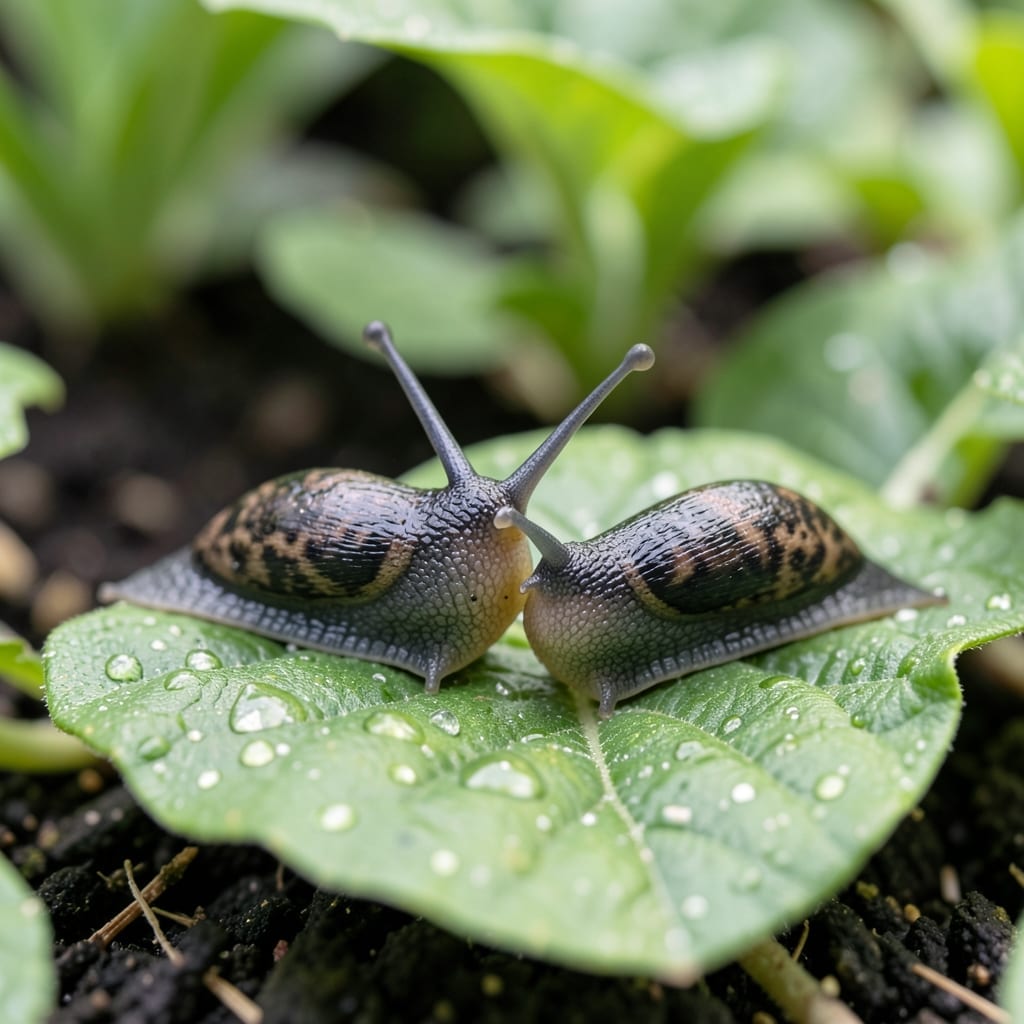
Slugs can be harmful to plants as they chew through leaves, stems, and seedlings, often causing severe damage overnight, especially to tender young growth and vegetable crops.
I’ve seen firsthand how these pests can devastate a garden in hours, particularly targeting lettuce, strawberries, and other soft plants. 🌟 They thrive in moist conditions, making spring and early summer prime time for their feeding frenzies. What’s worse is their preference for young plants, which often can’t recover from the damage.
💡 In This Article
Slugs use a specialized mouthpart called a radula, which contains thousands of tiny, razor-sharp teeth. This allows them to scrape and rasp through plant tissue with surprising efficiency. They leave behind irregular, ragged holes in leaves and stems, often targeting the most tender parts of the plant first.
Unlike insects that may chew clean edges, slug damage appears jagged and messy.
Young seedlings are particularly vulnerable because their delicate stems can be completely severed at ground level. A single slug can consume up to 40 times its body weight in a night, which means a 2-inch slug might eat an entire seedling.
They’re especially active after rain or in the early morning when humidity is high, creating perfect conditions for their feeding. 🌟
What makes slug damage so devastating is their preference for the growing points of plants. When they attack the main stem or new shoots, it can stunt growth permanently or even kill the plant. Hostas, basil, and marigolds often show the classic signs: large holes in leaves, slime trails, and wilted stems that never recover.
The slime they produce isn’t just unsightly—it contains chemicals that can inhibit plant growth. Research shows their mucus can reduce seed germination by up to 30% in some species. This double threat of physical damage and chemical interference makes them particularly problematic in vegetable gardens and flower beds.
They also act as vectors for plant diseases. As they move from plant to plant, they can spread fungal spores and bacteria that enter through the wounds they create. This secondary damage often appears days after the initial feeding, making it harder to trace the original cause of the plant’s decline.
Slugs target tender leaves, stems, and seedlings, especially lettuce, strawberries, and hostas. They prefer young, soft growth and can consume up to 40 times their body weight in one night.
Ragged holes and wilted stems are classic slug damage signs. They leave irregular edges and slime trails, often attacking growing points. This can stunt or kill plants if left unchecked.
Use copper tape barriers or surround plants with crushed eggshells. Companion planting with rosemary or garlic also deters them. Handpick slugs at night for immediate results.
Yes, as they move between plants, slugs can transfer fungal spores and bacteria through feeding wounds. This secondary damage often appears days after the initial attack.