
Beautiful Plants For Your Interior
Beautiful Plants For Your Interior
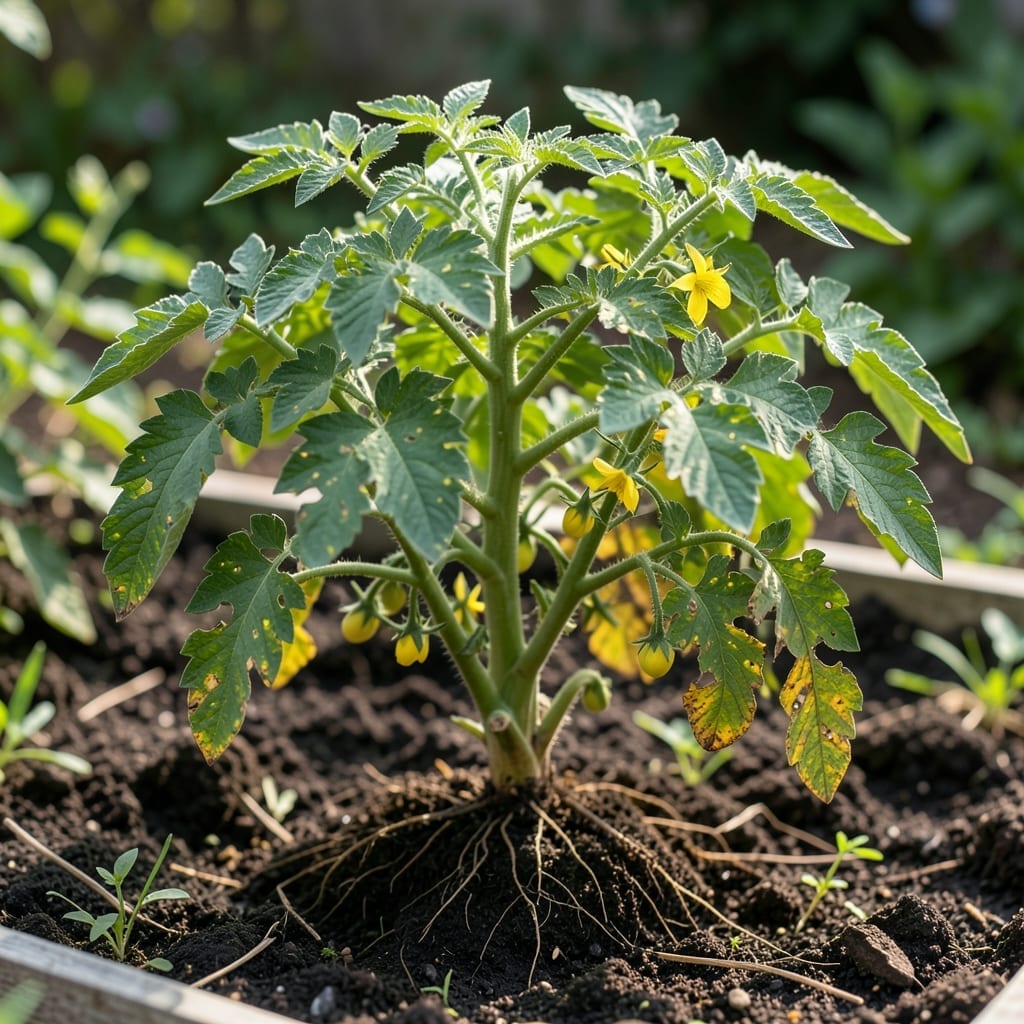
Waking up to Swiss cheese leaves is never fun. I’ve lost count of how many times I’ve found my prized plants looking like pest buffets overnight.
Between you and me, the culprits are usually obvious once you know where to look—slug trails, caterpillar frass, or beetle damage. Each leaves a distinct calling card that tells you exactly what you’re dealing with.
The good news? Most fixes are simple and fast. A little investigation and the right response can turn things around in 24-48 hours.
You’ll end up with healthy foliage and the satisfaction of outsmarting garden pests at their own game.
Understanding why holes appear in your plants’ leaves is the first step to fixing the problem. Below are the most common causes, explained in clear, actionable terms.
Insects like caterpillars, slugs, snails, and beetles are primary culprits. They chew through leaf tissue, leaving irregular holes or ragged edges. Slugs and snails often leave silvery slime trails, while beetles (like Japanese beetles) create jagged, skeletonized patterns. Action: Inspect leaves at dawn or dusk when pests are most active, and use organic pesticides or physical barriers like copper tape.
Diseases such as anthracnose, bacterial leaf spot, or shot-hole fungus can cause small, circular holes as infected tissue dies and falls out. These often start as dark or water-soaked spots that expand. Action: Remove and destroy infected leaves, avoid overhead watering, and apply fungicides or bactericides as needed.
Extreme conditions like hail, wind, or mechanical damage (e.g., from lawnmowers or animals) can tear leaves, creating holes. Additionally, nutrient deficiencies (e.g., potassium or magnesium) may cause tissue death, mimicking hole-like symptoms. Action: Protect plants from physical harm and test soil for deficiencies, amending as necessary.
Birds, squirrels, or deer may nip leaves, leaving clean-edged holes or missing sections. Action: Use netting or repellents to deter wildlife, and consider planting less appealing species near vulnerable plants.
Dealing with holes in leaves can be frustrating, but with the right approach, you can nurse your plants back to health. Below are targeted solutions for common causes, along with prevention tips to keep your greens thriving.
If insects like caterpillars, slugs, or beetles are the culprits, start by handpicking visible pests off the leaves. For a gentle yet effective fix, spray plants with a neem oil solution (1 tbsp neem oil + 1 tsp dish soap + 1 quart water) every 3–5 days until pests disappear. Prevention tip: 💡 Encourage beneficial insects like ladybugs and lacewings by planting companion flowers such as marigolds or alyssum.
Fungal or bacterial infections often leave ragged holes or spots. Remove infected leaves immediately to stop the spread, and dispose of them in the trash (not compost). Treat the plant with a copper-based fungicide or a baking soda spray (1 tsp baking soda + 1 quart water + a few drops of dish soap). Prevention tip: ✨ Avoid overhead watering and ensure good air circulation by spacing plants properly.
Yellowing leaves with holes may signal a lack of essential nutrients like nitrogen or potassium. Use a balanced, water-soluble fertilizer (10-10-10 or 20-20-20) to replenish soil nutrients. For organic options, try compost tea or worm castings. Prevention tip: 🎯 Test your soil annually and amend it with organic matter to maintain fertility.
Extreme weather, drought, or poor soil can stress plants, making them vulnerable. Mulch around the base to retain moisture and regulate soil temperature. If wind or hail is the issue, install a barrier or move potted plants to a sheltered spot. Prevention tip: 🌡️ Monitor weather forecasts and adjust watering schedules during heatwaves or cold snaps.
Caterpillars, slugs, and beetles are the usual suspects. Slugs leave slime trails, while beetles create jagged edges. Check leaves at dawn or dusk for active pests.
Yes, fungal infections like shot-hole fungus start as spots that expand into holes. Remove infected leaves immediately and avoid overhead watering to prevent spread.
Use netting or repellents to deter deer, squirrels, and birds. Physical barriers work best for persistent wildlife visitors.