
Beautiful Plants For Your Interior
Beautiful Plants For Your Interior
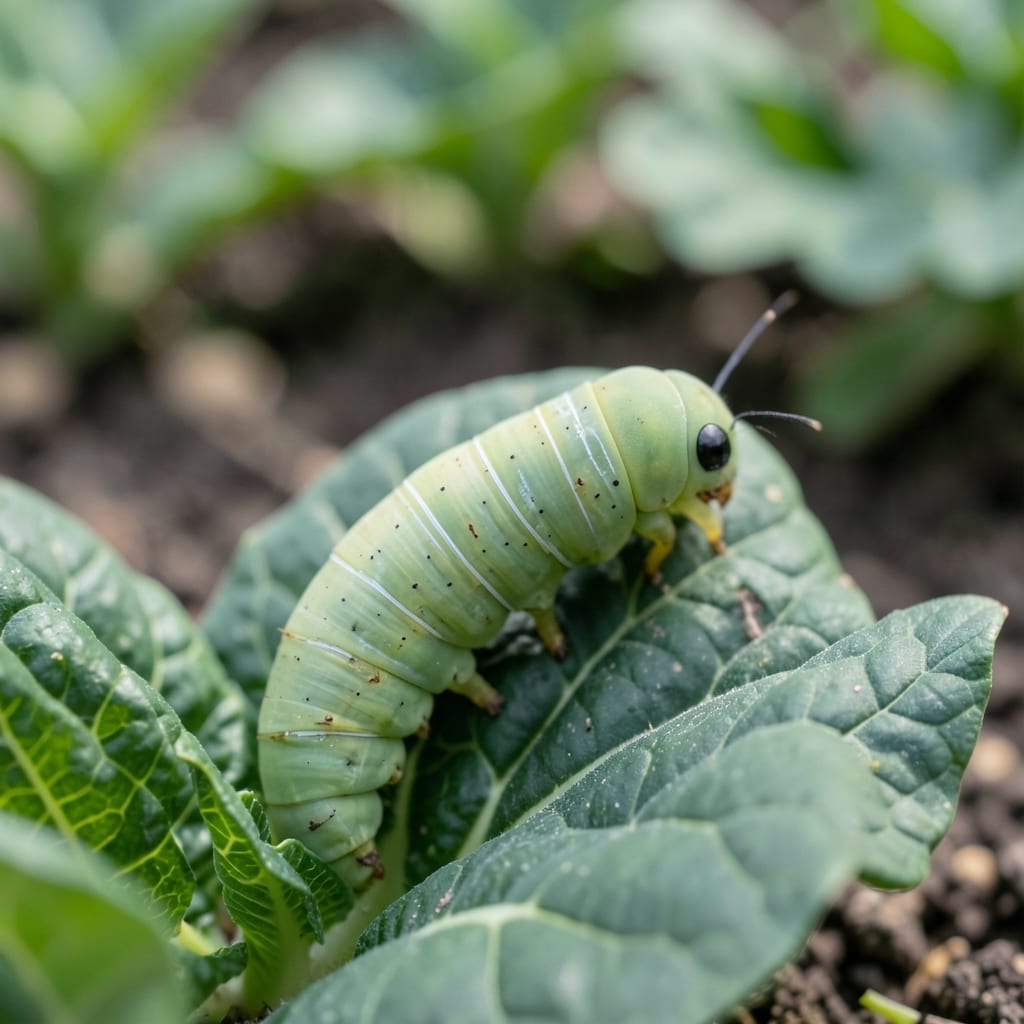
Caterpillars use their powerful mandibles to consume plant tissue at an astonishing rate, often eating up to 80% of their body weight in foliage daily. They target the most nutritious parts first: tender new leaves, flower buds, and soft stems. This selective feeding disrupts the plant’s ability to photosynthesize effectively, stunting growth and reducing yields.
🔥
The damage isn’t random – caterpillars often create characteristic patterns. Some species chew holes in leaf centers, while others consume entire leaf edges, leaving only the tough midrib. The tomato hornworm, for example, can strip a plant of its leaves in just 2-3 days.
Their feeding also creates entry points for diseases, further compromising plant health. ✨
Certain plants are particularly vulnerable. Leafy greens like cabbage and lettuce often suffer severe damage from cabbage loopers. Fruit-bearing plants attract different species – the corn earworm targets corn silk and kernels, while tent caterpillars defoliate entire sections of fruit trees.
The damage peaks during the caterpillar’s final instar stage, when it consumes the most food before pupation. 💫
Beyond direct consumption, some caterpillars cause indirect harm. The fall webworm creates silk webs that envelop entire branches, blocking sunlight. Others, like cutworms, sever young plants at soil level. In agricultural settings, severe infestations can reduce crop yields by 30-50%, making early detection and intervention crucial for plant survival. ⚡
What makes caterpillar damage so insidious is its cumulative effect. A single caterpillar might not cause much harm, but a group can overwhelm a plant’s defenses. Their feeding triggers stress responses in plants, which can alter growth patterns and reduce future productivity, even after the immediate infestation is controlled. 🌟
Leafy greens like cabbage and lettuce are prime targets, especially from cabbage loopers. Fruit-bearing plants also suffer, with tomato hornworms devastating tomato plants in just 2-3 days.
Look for chewed leaves with holes or ragged edges, silk webs enveloping branches, or severed young plants at soil level. Check leaf undersides for hidden caterpillars or their dark droppings.
No, damage varies by species. Cutworms sever stems, while fall webworms create silk tents that block sunlight. Some, like monarch caterpillars, only target specific plants like milkweed.
Companion planting with strong-smelling herbs like rosemary or mint works well. Floating row covers also provide excellent physical protection for vulnerable plants.