
Beautiful Plants For Your Interior
Beautiful Plants For Your Interior
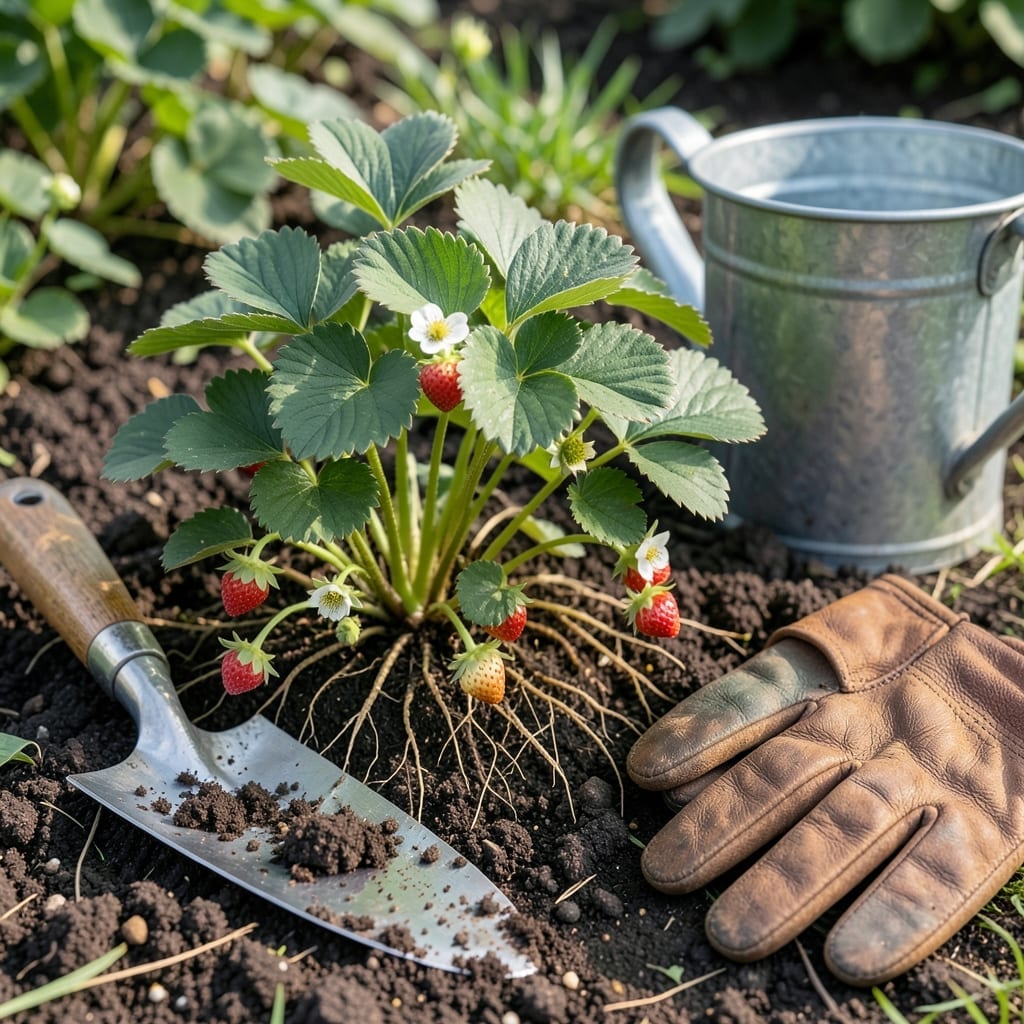
Timing is everything when planting Strawberry 🍓 roots in Zone 7. Get it right, and you’ll enjoy a bumper crop of sweet, juicy berries season after season.
Plant too early or too late, and you risk stunted growth, poor yields, or even losing your plants to frost or heat stress. This delicate balance is what separates thriving gardens from frustrating failures.
I’ve learned through experience that 2-3 weeks before your last frost date is the sweet spot for early spring planting. For Zone 7, that typically means March to early April.
Discover how to align your planting schedule with nature’s rhythm for the best results with your Strawberry 🍓 plants. Let’s dig into the details that make all the difference.
In Zone 7, timing your strawberry root planting is crucial for healthy growth. I’ve found that early spring and late summer offer the best windows for establishment and fruit production. These periods avoid extreme temperatures that can stress young plants.
The ideal soil temperature for planting strawberry roots is between 50-60°F. In Zone 7, this typically aligns with March to early April for spring planting, giving roots time to establish before summer heat arrives. 🌱
| Planting Window | Timing | Conditions |
|---|---|---|
| Early Spring | March to early April | Soil temp 50-60°F |
| Late Summer | August to early September | Cooler temps, moist soil |
For early spring planting, aim for 2-3 weeks before your last frost date, which is around April 15 in Zone 7. This gives the roots a head start before the growing season kicks into high gear. ☀️
Late summer planting, from August to early September, allows strawberry roots to establish before winter dormancy. The cooler temperatures and consistent moisture help reduce transplant shock, leading to stronger plants the following spring.
Soil preparation is key in both windows. I always ensure the soil is well-draining and enriched with organic compost to support root development. This prevents waterlogging, which can rot the roots before they even get started.
Bare-root strawberries do best when planted during these optimal windows. If you’re using potted strawberries, you have a bit more flexibility, but sticking to these times still ensures the best results.
Another factor I consider is variety selection. June-bearing strawberries thrive with early spring planting, while everbearing or day-neutral varieties can handle both windows. Choose the type that fits your harvest goals.
Remember, mulching after planting helps retain moisture and regulate soil temperature. I use straw or pine needles to keep the roots cozy and protected, especially during temperature fluctuations. 🌿
Finally, keep an eye on the weather forecast. If a late frost is expected after early spring planting, I cover my strawberry plants with frost cloth to shield them from damage. This small step can save your entire crop.
Planting strawberry roots in Zone 7 requires careful timing and preparation. I always start by checking soil temperature—it should be at least 40°F for bare-root plants to establish well.
For best results, I recommend early spring or late summer planting. This gives roots time to settle before extreme heat or cold sets in. 🌱
item”> text”>Plant crowns above soil level to prevent rot and disease.
item”> text”>Water deeply after planting and maintain consistent moisture.
I’ve found that bare-root strawberries need extra attention.
For potted strawberries, the process is simpler. Just loosen the root ball gently before placing in the hole. This helps roots spread outward into the surrounding soil more effectively. ☀️
After planting, I always add a 2-inch layer of mulch to retain moisture and suppress weeds. Straw or pine needles work particularly well for strawberries in Zone 7.