
Beautiful Plants For Your Interior
Beautiful Plants For Your Interior
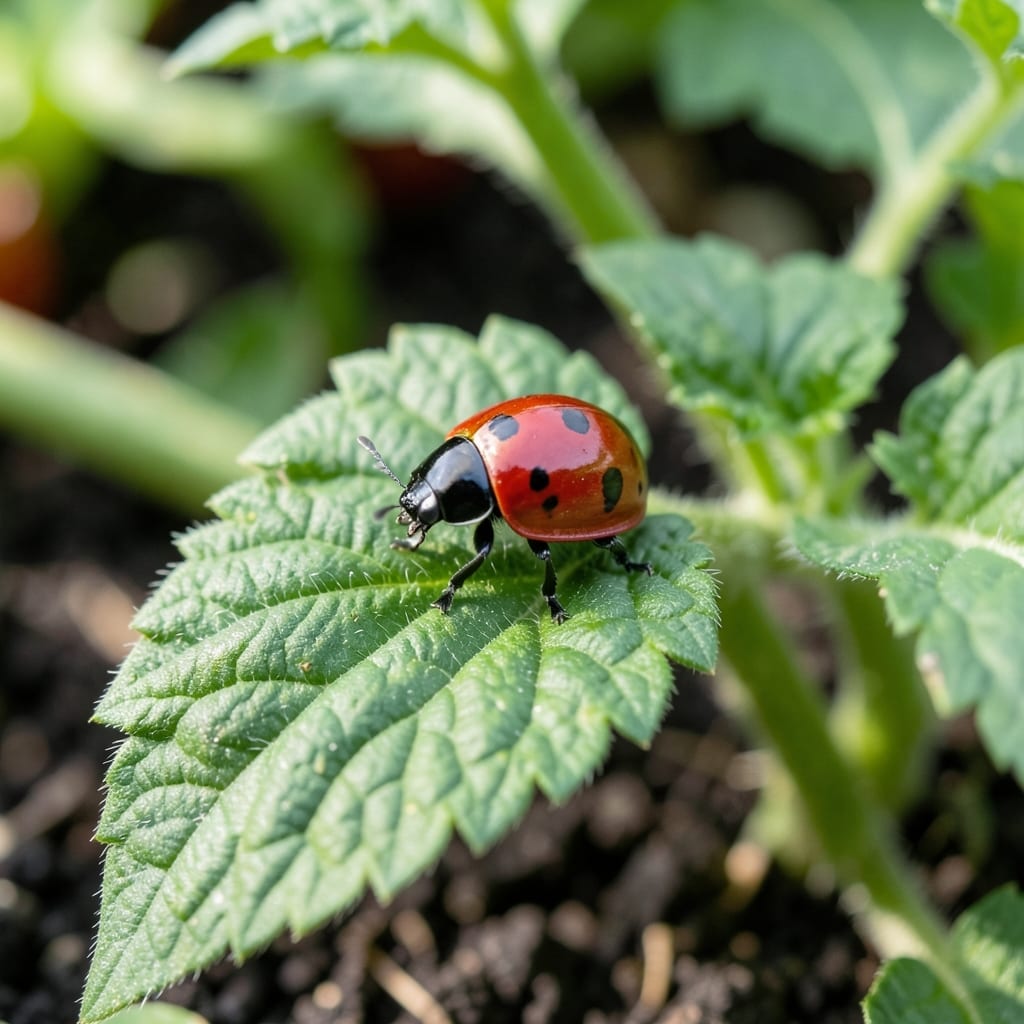
Bugs in your garden don’t have to mean the end of your harvest. I’ve spent years refining a system that keeps pests at bay without harsh chemicals, and it’s simpler than you might think.
Physical barriers like row covers and copper tape stop pests before they start, while companion planting creates a natural defense. My zucchini used to get decimated by squash bugs—now they thrive alongside nasturtiums and borage.
You’ll see fewer holes in leaves, healthier plants, and a garden that practically maintains itself. The best part? These methods work for every crop, from leafy greens to fruiting vines.
Start with one or two techniques this season. Once you see the difference, you’ll never go back to spraying toxic solutions.
Understanding why bugs flock to your garden is the first step in keeping them at bay. Here are the most common causes, backed by science:
Many pests are specialists, meaning they thrive on specific plants. For example, aphids adore tender new growth on roses and vegetables, while squash bugs target—you guessed it—squash. When these plants dominate your garden without diversity, they create an all-you-can-eat buffet for bugs. Monocultures (planting large blocks of a single species) are particularly vulnerable because pests can spread rapidly without natural predators to check their growth.
Standing water or overly damp soil attracts moisture-loving pests like slugs, snails, and fungus gnats. These bugs lay eggs in soggy conditions, and their larvae thrive in decomposing organic matter. Additionally, overwatering weakens plant roots, making them more susceptible to infestations. Gardens with poor drainage or dense mulch layers can inadvertently create the perfect breeding ground for these invaders.
Nature has its own pest control: beneficial insects like ladybugs, lacewings, and parasitic wasps. When gardens lack biodiversity or rely heavily on chemical pesticides, these natural predators disappear. Without them, pest populations explode unchecked. Companion planting (e.g., pairing marigolds with tomatoes) can help restore this balance by attracting predator insects that keep harmful bugs in line.
Plants under stress—whether from poor soil, nutrient deficiencies, or environmental factors—emit chemical signals that attract pests. For instance, aphids are drawn to plants with high nitrogen levels (often from over-fertilizing), while whiteflies target weak, yellowing leaves. Healthy, resilient plants are better equipped to fend off invaders, so improving soil health and avoiding over-fertilization can reduce vulnerability.
Keeping bugs out of your garden starts with smart, proactive strategies. Below are targeted fixes for common pest problems, paired with prevention tips to maintain a thriving, bug-free space.
Soggy soil invites slugs, snails, and fungus gnats. Fix it by amending heavy clay or compacted soil with compost or sand to boost drainage. Raise garden beds if water pools frequently. Prevent it by watering deeply but less often—early morning is best to let foliage dry quickly.
Stressed or nutrient-deficient plants are bug magnets. Fix it by testing soil and adding organic fertilizers like compost tea or fish emulsion. Prune damaged leaves to remove hiding spots. Prevent it with regular mulching (2–3 inches of straw or wood chips) to retain moisture and suppress weeds that harbor pests.
Exposed dirt is an open invitation for pests to lay eggs. Fix it by covering soil with organic mulches (straw, leaves) or living mulches like clover. For persistent pests, lay down cardboard or landscape fabric before planting. Prevent it by refreshing mulch every season to block new infestations.
💡 Pro Tip: Crushed eggshells or diatomaceous earth around plants create sharp barriers that deter soft-bodied pests like slugs.
Monoculture gardens are vulnerable to outbreaks. Fix it by interplanting pest-repelling herbs like basil, mint, or marigolds with veggies. For example, nasturtiums repel aphids, while garlic deters Japanese beetles. Prevent it by rotating crops yearly to disrupt pest life cycles.
Stagnant water in saucers, buckets, or clogged gutters is a mosquito nursery. Fix it by emptying containers weekly and ensuring downspouts drain away from the garden. Prevent it by adding a small fountain or aerator to birdbaths to keep water moving.
Marigolds, basil, and nasturtiums work wonders. Marigolds deter nematodes, basil repels mosquitoes, and nasturtiums keep aphids away. Plant them near vulnerable crops for best results.
Replace organic mulch like straw or wood chips every 6-12 months. This prevents pest buildup while retaining moisture and suppressing weeds effectively.
Yes! Pairing certain plants confuses pests. Try garlic with roses to repel Japanese beetles or mint with cabbage to deter flea beetles. Diversity disrupts pest life cycles naturally.
Water in the early morning to let foliage dry quickly. This reduces moisture that attracts slugs and fungus gnats while keeping roots hydrated.