
Beautiful Plants For Your Interior
Beautiful Plants For Your Interior
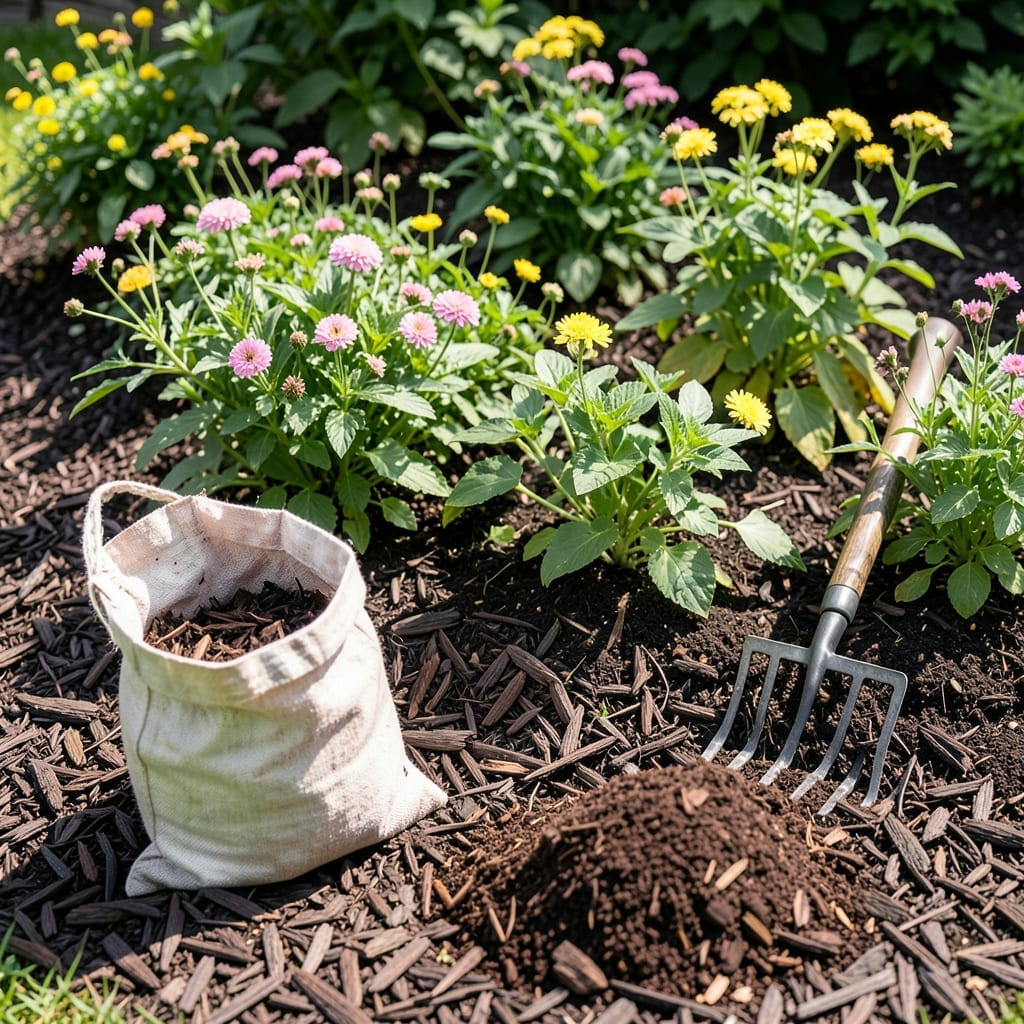
The best times to mulch are mid-to-late spring after soil warms and early fall before winter. Avoid mulching too early in spring or late fall when temperatures fluctuate.
I’ve found that timing your mulching just right can make a huge difference in your garden’s health. Mulching in mid-to-late spring helps retain moisture as temperatures rise, while early fall application protects plant roots from winter extremes. The key is avoiding periods when the soil is still cold or about to freeze.
This approach supports root development and suppresses weeds more effectively. ✨
💡 In This Article
Soil temperature is the hidden driver behind effective mulching. In mid-to-late spring, when soil reaches 55-60°F, microbial activity peaks, breaking down organic mulch into nutrients plants can use. This temperature range also triggers root growth in most perennials, so mulching now supports this critical phase by maintaining consistent warmth.
Mulch acts like a thermal blanket, keeping soil 10-15°F warmer in spring and 5-10°F cooler in summer. This regulation prevents the temperature swings that stress plant roots. 🌟 The organic matter in mulch also improves moisture retention by reducing evaporation by up to 50%, which is especially valuable as summer heat approaches.
Weed suppression works best when mulch is applied during active weed germination periods. In spring, this typically occurs when soil temps hit 50-55°F. A 2-3 inch layer of mulch blocks light to weed seeds while allowing water and air to penetrate. This timing disrupts weed life cycles before they can establish.
Early fall mulching insulates soil against rapid temperature drops. As days shorten, plants begin storing energy in their roots for winter. A fresh mulch layer at this time maintains soil temperatures 5-8°F higher than unmulched soil, giving roots extra time to absorb nutrients before dormancy. ✨
What most gardeners overlook is how mulch timing affects soil structure. Spring applications allow organic material to decompose over the growing season, improving soil tilth. Fall applications protect soil from compaction caused by winter rains and freezes, preserving the pore spaces that roots and beneficial microbes need.
The moisture benefits extend beyond summer. Fall mulch reduces soil erosion from winter rains by 30-40% and prevents the freeze-thaw cycles that can heave plant roots out of the ground. This is particularly crucial for shallow-rooted plants like strawberries and newly planted perennials. 💫
Refresh organic mulch like wood chips or bark annually, as it decomposes over time. A 1-2 inch top-up is usually sufficient. Inorganic mulch like rocks lasts for years but may need occasional cleaning to remove debris.
Yes, but avoid heavy layers during extreme heat. A light 1-inch layer helps retain moisture but allows soil to breathe. Too much mulch in summer can overheat roots and trap excess moisture.
Mulching too early can slow soil warming and delay root growth. Cold soil under mulch may also encourage mold or fungus. Wait until soil temps reach at least 50°F before applying.
For vegetable gardens, apply mulch after harvesting summer crops but before the first frost. This protects soil without interfering with late-season growth. Use 2-3 inches of straw or shredded leaves.