
Beautiful Plants For Your Interior
Beautiful Plants For Your Interior
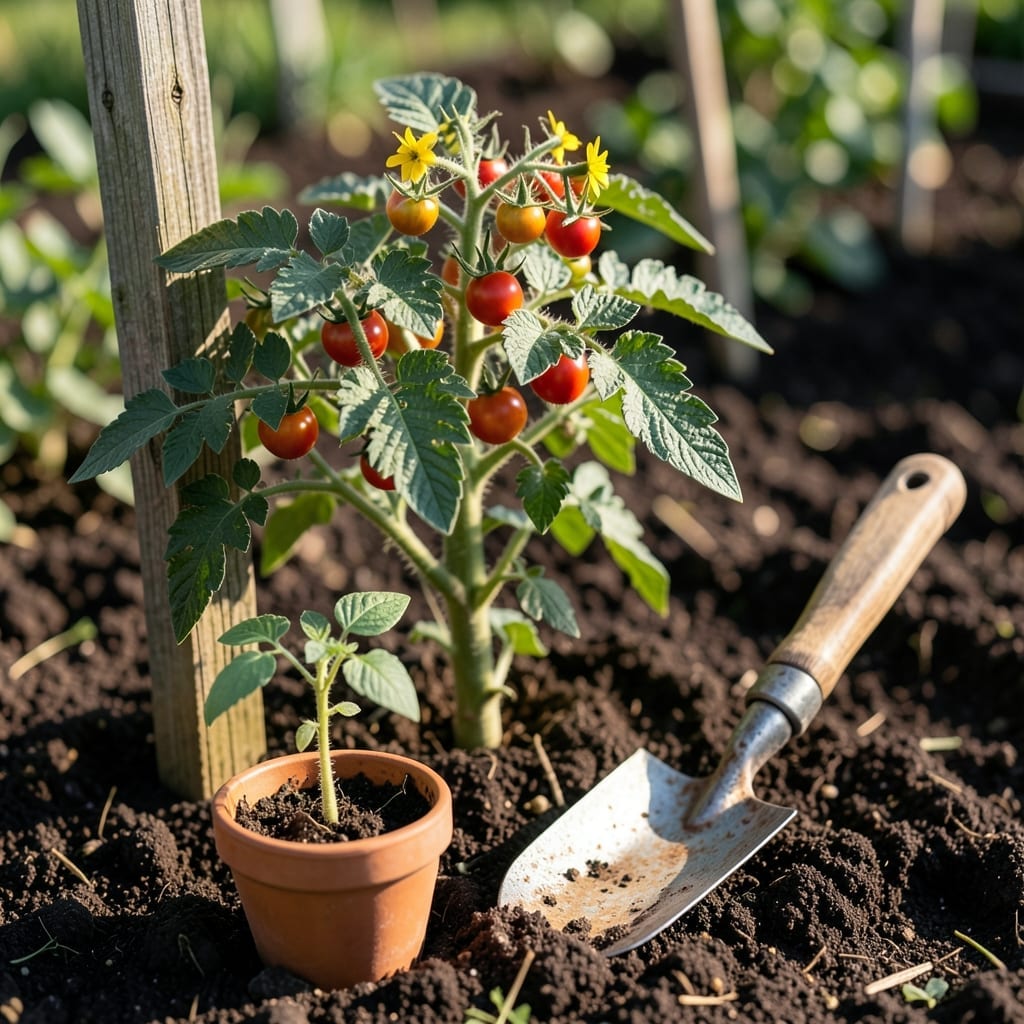
Choose a sunny spot with 6-8 hours of daily sunlight, well-draining soil rich in organic matter, and space plants 18-24 inches apart for optimal growth and air circulation.
Tomatoes thrive when they can soak up consistent light, as this fuels their photosynthesis and fruit production. 🔥 I’ve found that soil packed with compost or aged manure gives roots the nutrients they need to anchor strongly and resist common diseases. Proper spacing also prevents competition for resources and reduces the risk of fungal issues like blight.
💡 In This Article
Tomatoes rely on sunlight to power photosynthesis, where chlorophyll converts light energy into sugars that fuel growth. With 6-8 hours of direct sun, plants produce more leaves and flowers, leading to higher fruit yields. Less light results in leggy, weak stems and fewer tomatoes.
Nutrient-rich soil acts like a vitamin boost for root systems. Organic matter (compost, worm castings) improves soil structure, allowing roots to access oxygen and water efficiently. I’ve seen plants in well-amended soil develop root systems 3x larger than those in poor soil, making them more drought-resistant. ✨
Drainage is critical because tomatoes hate wet feet. Soggy soil suffocates roots and invites fungal diseases like root rot. Adding 2-3 inches of organic mulch (straw, wood chips) keeps soil moist but not waterlogged. A simple test: if water pools for more than 5 minutes after rain, your drainage needs improvement.
Soil pH also plays a role. Tomatoes prefer slightly acidic conditions (pH 6.0-6.8). Outside this range, nutrient uptake suffers—iron deficiency (yellowing leaves) often appears in alkaline soils. A soil test kit costs $10 and can save you a season of troubleshooting.
Remember, healthy soil means healthy plants. Microbes in organic-rich earth form symbiotic relationships with roots, helping break down nutrients into absorbable forms. This is why chemical fertilizers alone can’t match the long-term benefits of building living soil. 💫
Tomato plants require 6-8 hours of direct sunlight each day for optimal growth and fruit production. Less than this results in weak stems and fewer tomatoes.
Use well-draining soil rich in organic matter like compost or aged manure. Tomatoes prefer slightly acidic soil with a pH of 6.0-6.8. Avoid heavy clay or waterlogged soil.
Space determinate (bush) types 2-3 feet apart and indeterminate (vining) varieties 3-4 feet apart. This allows for proper air circulation and growth.
Yes, but ensure each plant has at least 5 gallons of soil volume. Use containers with drainage holes and place them in a sunny location.
Basil, marigolds, and borage are excellent companions. They repel pests and improve growth. Avoid planting near brassicas like cabbage or broccoli.