
Beautiful Plants For Your Interior
Beautiful Plants For Your Interior
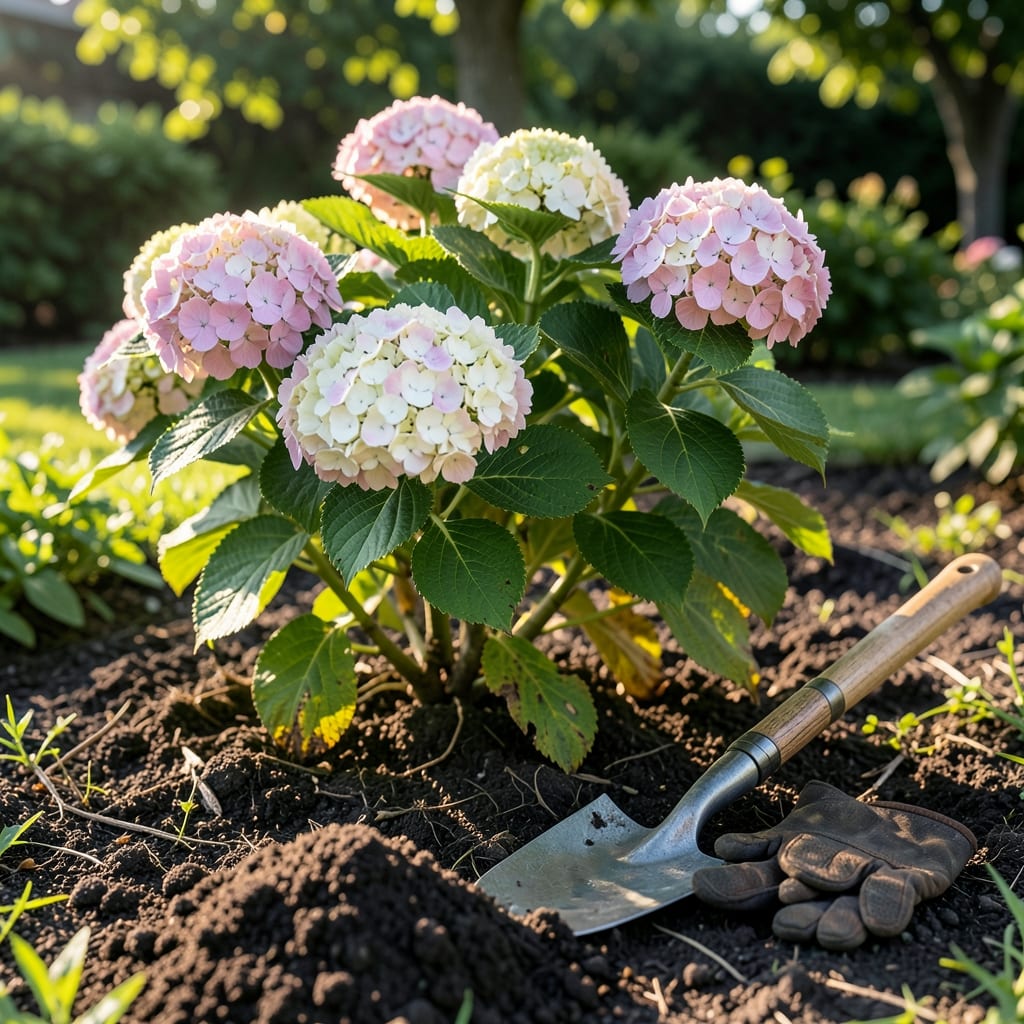
Hydrangeas thrive in partial shade with morning sun and afternoon shade, especially in well-draining, moist soil. Avoid full sun in hot climates and deep shade for best blooms.
In my experience, the morning sun provides gentle warmth that kickstarts photosynthesis without stressing the plant. 🌿 Afternoon shade protects the delicate blooms from wilting under intense heat, which is particularly important in southern climates. I’ve noticed that hydrangeas in these conditions often produce larger, more vibrant flowers with less risk of leaf scorch.
💡 In This Article
Sunlight directly influences hydrangea photosynthesis, which fuels bloom production. Morning sun (6-10 AM) provides gentle UV rays that activate chlorophyll without causing moisture loss. This early light triggers the plant’s internal clock to produce flowering hormones. 🌿
Afternoon shade becomes critical as temperatures rise above 85°F. Without it, hydrangeas experience transpiration stress—losing water faster than roots can absorb. Bigleaf varieties show visible wilting within 2-3 hours of intense midday sun, while panicled types tolerate slightly more exposure.
The light spectrum also affects bloom color intensity. Blue and purple hydrangeas develop richer hues with dappled sunlight, as UV rays enhance anthocyanin production. In contrast, white varieties maintain their color regardless of light conditions. This explains why partially shaded plants often display more vibrant flowers than those in full sun.
Seasonal changes matter too. In spring, hydrangeas benefit from full sun to establish roots. By summer, the same plants need afternoon protection. I’ve observed that plants receiving 4-6 hours of filtered light daily produce the most consistent blooms across growing seasons.
Geographic location plays a role as well. Gardeners in USDA zones 7-9 should prioritize afternoon shade, while those in zones 4-6 can often succeed with more sun exposure. This adaptation explains why northern gardeners sometimes achieve better results with less strict shading requirements. ✨
Most varieties thrive with 4-6 hours of morning sun and afternoon shade. Bigleaf types prefer less, while panicled can handle more. In hot climates, limit to morning light only.
They’ll survive but won’t bloom well. Deep shade leads to leggy growth and fewer flowers. For best results, ensure at least some dappled sunlight reaches the plant.
Use well-draining, moist soil with 5.5-6.5 pH. Amend heavy clay with compost or consider raised beds. Adjust pH for desired bloom colors.
Space plants 3-6 feet apart, depending on the variety. Bigleaf types need less room, while panicled varieties require more space to grow.