
Beautiful Plants For Your Interior
Beautiful Plants For Your Interior
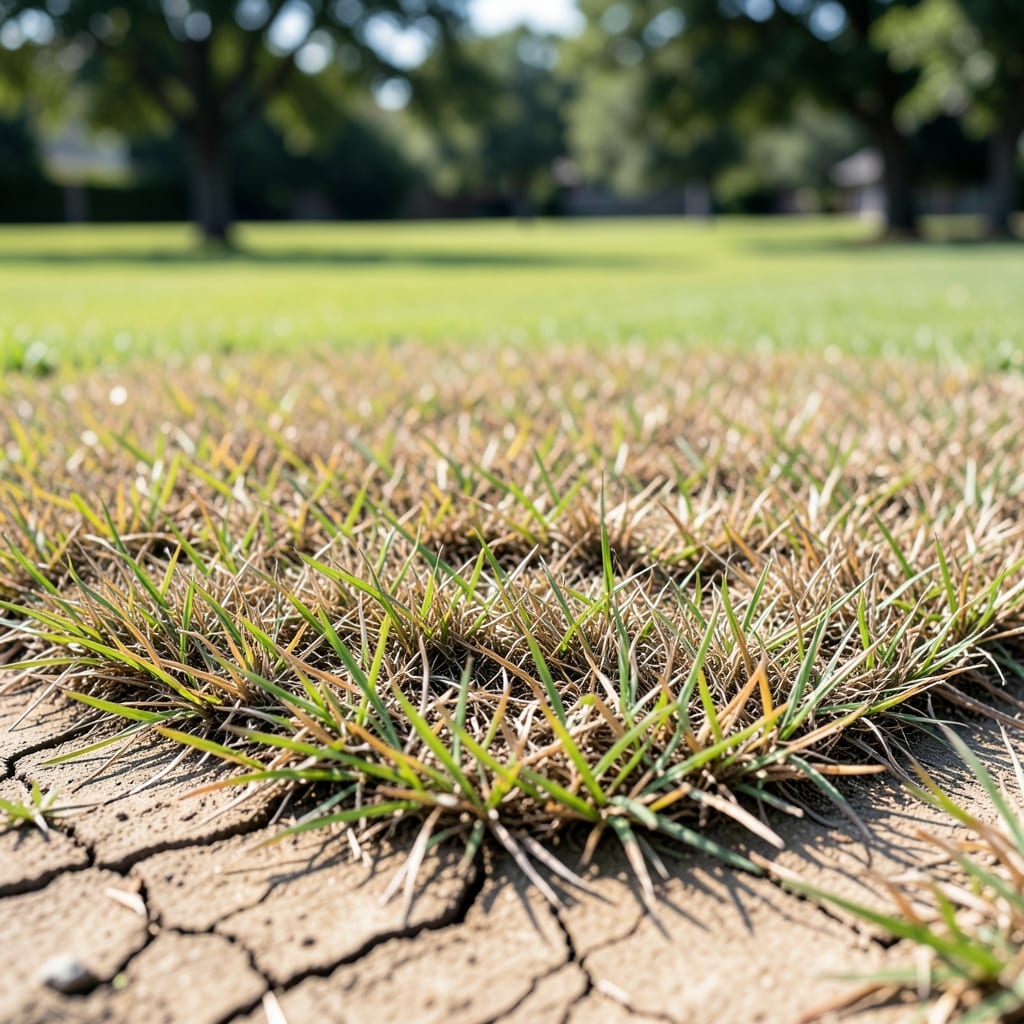
That sickly brown patch in your Bermuda grass doesn’t mean it’s dead. I’ve revived more lawns than I can count by first figuring out exactly why the grass turned—usually it’s drought, disease, or a care mistake.
The fix starts with a quick diagnosis: check the soil moisture, look for pests, and note any recent changes. Most problems show clear signs once you know what to look for. The solution often involves adjusting water, aerating, or applying the right organic treatment.
Within 2-3 weeks of proper care, you’ll see new green shoots emerging. The grass bounces back faster than you’d expect, especially when you target the actual issue rather than guessing.
Works for any Bermuda lawn, whether it’s a small patch or your entire yard. Here’s how to bring it back to life.
Bermuda grass losing its lush green color can be frustrating, but understanding the underlying causes helps you address the issue effectively. Here’s a breakdown of the most common reasons your lawn may be turning brown:
Bermuda grass thrives in warm climates but can suffer under prolonged heatwaves or drought. When temperatures soar above 95°F (35°C), the grass may enter dormancy to conserve water, leading to browning. Without adequate moisture, the roots struggle to absorb nutrients, and the blades dry out. Deep, infrequent watering (1–1.5 inches per week) early in the morning can help mitigate this.
While drought is a common culprit, excess water can be just as damaging. Overwatering or compacted soil with poor drainage can lead to root rot, suffocating the grass and causing it to turn brown. Check for spongy, waterlogged soil or a foul odor—signs of fungal growth. Ensure your lawn has proper drainage and adjust watering to only when the top 1–2 inches of soil are dry.
Bermuda grass requires nitrogen, potassium, and iron to maintain its vibrant green hue. A nitrogen deficiency often causes uniform yellowing or browning, while iron deficiency leads to yellowing between the veins of the blades. Conduct a soil test to identify deficiencies and apply a balanced fertilizer (e.g., 16-4-8 NPK ratio) or iron supplements as needed.
Pests like grubs, chinch bugs, or armyworms can damage Bermuda grass roots and blades, leading to brown patches. Similarly, fungal diseases such as brown patch or dollar spot thrive in humid conditions, causing circular brown spots. Look for signs of pests (e.g., chewed blades) or fungal growth (e.g., fuzzy mold). Treat with targeted insecticides or fungicides and improve air circulation to prevent recurrence.
Mowing too short (scalping) or with dull blades can stress Bermuda grass, weakening its ability to photosynthesize and retain moisture. Set your mower to 1–1.5 inches for Bermuda grass and ensure the blades are sharp to avoid tearing the grass. Regular mowing at the correct height encourages healthy growth and reduces browning.
Browning Bermuda grass can be frustrating, but the right fixes can bring it back to life. Below are targeted solutions for common causes, along with prevention tips to keep your lawn lush and green.
If dry conditions are the culprit, water deeply but infrequently. Give your lawn 1–1.5 inches of water per week, early in the morning to reduce evaporation. Use a rain gauge to track moisture levels. Prevention tip: 💡 Install a smart irrigation system to maintain consistent hydration without overwatering.
Fungal issues like brown patch thrive in wet, compacted soil. Apply a copper-based fungicide at the first sign of spots. Improve airflow by aerating the lawn and removing thatch. Prevention tip: ✨ Avoid evening watering and mow regularly to reduce humidity buildup.
Grubs and chinch bugs can turn Bermuda grass brown overnight. Introduce beneficial nematodes or apply neem oil to control pests organically. For severe cases, use targeted insecticides. Prevention tip: 🎯 Encourage birds and ladybugs—natural pest predators—by adding native plants to your landscape.
Scorching sun can bleach Bermuda grass. Provide temporary shade cloths during peak heat and apply a thin layer of organic mulch to retain moisture. Prevention tip: 🌡️ Plant heat-tolerant ground covers nearby to reduce soil temperature.
Yellowing or brown patches often signal a lack of nitrogen or iron. Conduct a soil test and amend with a slow-release organic fertilizer (e.g., compost or fish emulsion). Prevention tip: 📊 Fertilize seasonally—spring and early summer for Bermuda grass—to maintain nutrient balance.
With these fixes, your Bermuda grass can bounce back quickly. Stay proactive, and your lawn will reward you with vibrant green color!
Water deeply 1–1.5 inches per week, early in the morning. This encourages deep root growth and prevents evaporation. Avoid daily light watering, which promotes shallow roots.
Yes! With proper care, dormant or stressed Bermuda grass often revives within 2–3 weeks. Address the root cause (drought, disease, etc.) and maintain consistent care.
A 16-4-8 NPK ratio fertilizer works well for Bermuda grass. For iron deficiency, use a supplement. Always test soil first to target the right nutrients.
Drought causes uniform browning, while disease creates circular patches. Check for pests or fungal signs (like fuzzy mold) to confirm.