
Beautiful Plants For Your Interior
Beautiful Plants For Your Interior
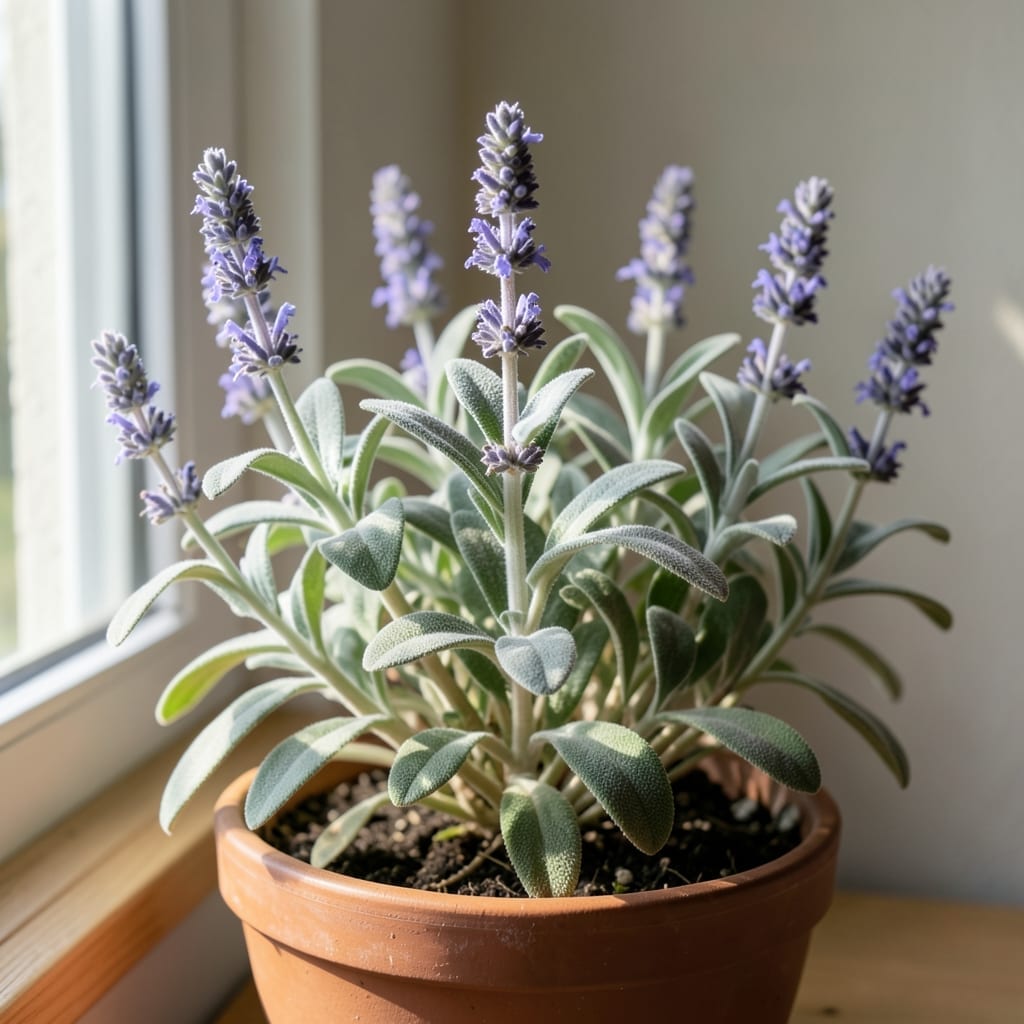
Indoor sage offers fresh flavors year-round, purifies air, repels pests naturally, and thrives with minimal space and care.
I love how this herb doubles as a functional houseplant, with its aromatic leaves releasing natural compounds that cleanse the air while keeping mosquitoes and flies at bay. 6-8 hours of sunlight from a south-facing window is all it needs to flourish. Plus, having fresh sage on hand means I can elevate roasted meats, soups, and teas with zero effort. ✨
💡 In This Article
The aromatic compounds in sage, particularly cineole and thujone, act as natural air purifiers by breaking down airborne bacteria and mold spores through a process called phytoremediation. This occurs as the plant releases terpenes—volatile organic compounds that react with indoor pollutants, effectively cleansing the air you breathe. 💫
Beyond air quality, sage contains rosmarinic acid and camphor, compounds with proven antimicrobial and anti-inflammatory properties. When you brush against the leaves, these oils vaporize, creating a subtle antiseptic effect in your living space. The concentration of these beneficial compounds is highest in fresh leaves, making your indoor plant a living pharmacy.
Sage’s pest-repelling power comes from its strong scent, which masks human odors that attract mosquitoes and flies. The plant emits linalool and borneol—natural insect repellents that are 100% non-toxic to humans but highly effective against common household pests. A single potted sage near a window can protect a 10×10 foot area. ✨
This herb also improves humidity control. Through transpiration, a mature sage plant releases about 1-2 liters of water vapor daily, which helps maintain optimal indoor humidity levels between 40-60%. This natural humidifying effect benefits both your respiratory health and wooden furniture preservation.
The psychological benefits are equally impressive. Studies show that the scent of sage can reduce stress hormones by up to 25% while improving focus and memory retention. The act of tending to your plant creates a mindful routine that lowers cortisol levels, making it a therapeutic addition to any indoor space. 🌟
Water only when the top 1-2 inches of soil feel dry to the touch. Sage prefers dry conditions, so overwatering is the most common mistake. A 12-inch pot typically needs water every 7-10 days in moderate climates.
Yes! Use a 15-watt grow light for 12-14 hours daily. Position the light 6-12 inches above the plant for optimal growth. This works especially well in winter when natural light is limited.
Snip off sprigs as needed, always cutting just above a leaf pair to encourage bushier growth. Avoid removing more than 1/3 of the plant at once. Morning harvests yield the most flavorful leaves.
A single plant can protect a 10×10 foot area from mosquitoes and flies. The strong scent masks human odors that attract pests, making it a natural, chemical-free solution. Place it near windows or doorways for best results.