
Beautiful Plants For Your Interior
Beautiful Plants For Your Interior
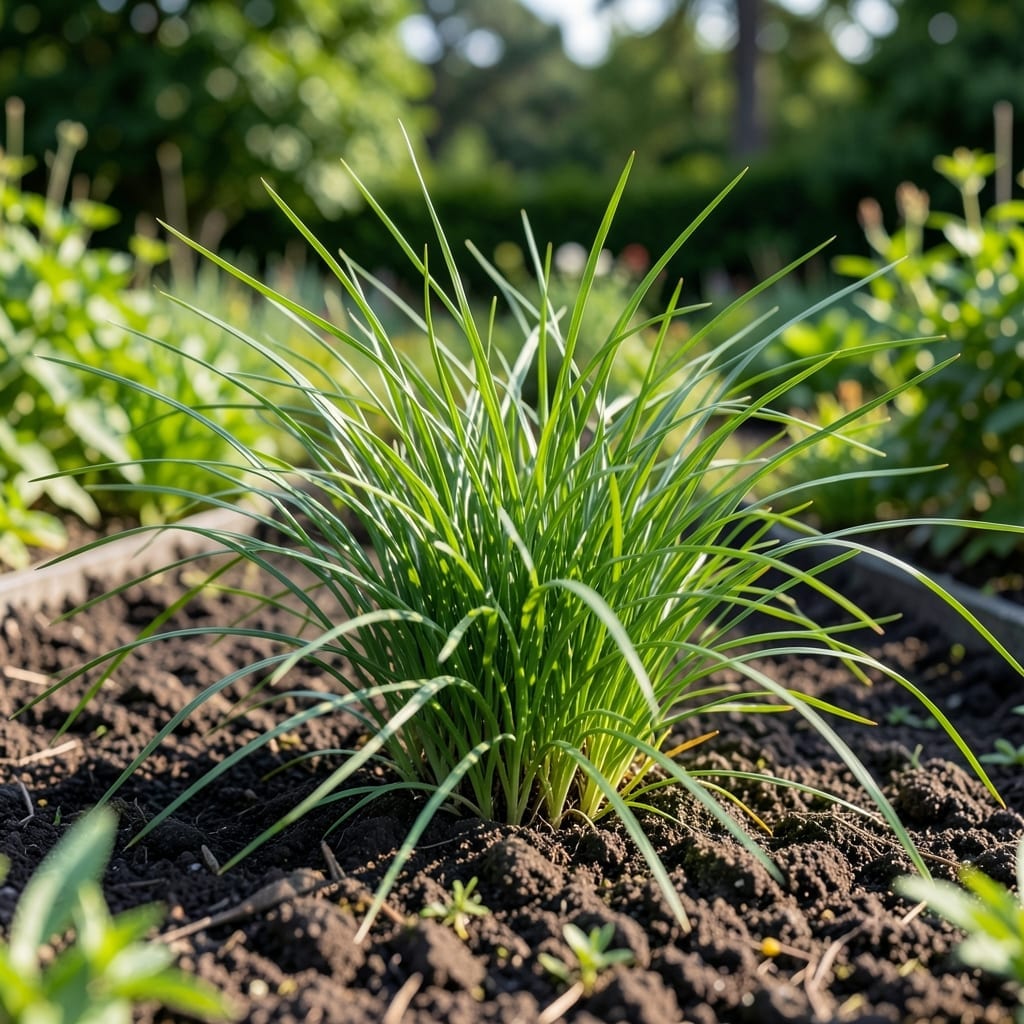
Grass improves air quality by absorbing CO2, prevents soil erosion, supports biodiversity, and provides natural cooling while enhancing landscapes aesthetically.
I’ve seen firsthand how a well-maintained lawn can transform a property, but its value goes far beyond looks. The carbon sequestration of healthy grass rivals that of young forests, and its root systems stabilize soil better than most ground covers. 🌟
What’s more, grass creates microhabitats for pollinators and beneficial insects, while its evapotranspiration process can lower local temperatures by 10-15°F on hot days.
💡 In This Article
A single 2,500 sq ft lawn produces enough daily oxygen for a family of four. This happens through photosynthesis, where grass absorbs carbon dioxide and sunlight to create glucose while releasing oxygen as a byproduct. 🌟
Root systems can extend 6-12 inches deep, binding soil particles together to prevent erosion. This is especially critical on slopes where rainfall would otherwise wash away 5-10 tons of topsoil per acre annually.
Grass acts as a natural water filter. Rainwater passes through the thatch layer and root zone, where soil microorganisms break down pollutants before they reach groundwater. Urban areas with healthy grass coverage see 20-30% less stormwater runoff.
For wildlife, dense grass creates protective cover for small mammals and nesting sites for birds. It also supports pollinator populations by providing nectar-rich flowers when allowed to grow slightly longer between mowings.
Temperature regulation is another key benefit. Through evapotranspiration, grass releases water vapor that cools the surrounding air. This effect can reduce local temperatures by 10-15°F compared to bare soil or pavement. 💫
The carbon storage capacity of grass is impressive. Well-managed turf can sequester 200-700 lbs of carbon per acre annually, with deeper root systems storing it long-term in the soil profile.
A 2,500 sq ft lawn absorbs carbon dioxide and releases enough oxygen daily for a family of four. Its blades also trap dust, pollen, and smoke particles, reducing airborne pollutants by up to 12%.
Yes! Deep root systems bind soil particles together, preventing rainfall from washing away up to 10 tons of topsoil per acre annually. This is especially valuable on slopes and in flood-prone areas.
Durable options like tall fescue or zoysia recover best from frequent use. For best results, water deeply 1-2 times weekly and mow to 2-3 inches to maintain density.
Dense grass provides shelter for small mammals, nesting sites for birds, and nectar-rich flowers for pollinators when allowed to grow slightly longer between mowings.
Through evapotranspiration, grass can reduce local temperatures by 10-15°F compared to bare soil or pavement. This natural cooling effect is most noticeable on hot summer days.