
Beautiful Plants For Your Interior
Beautiful Plants For Your Interior
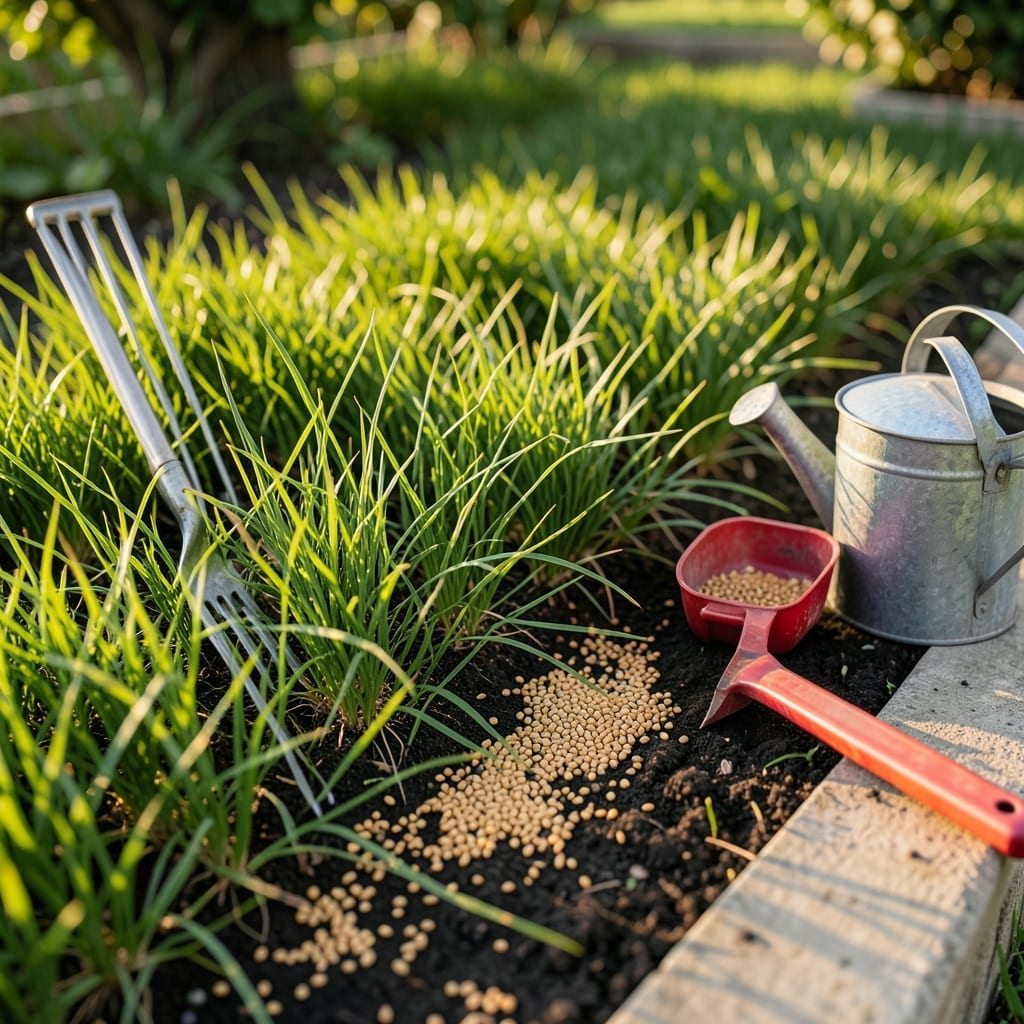
Timing is everything when planting Bermuda Grass 🌱 in North Carolina. Plant too early and cold soil stalls germination, but wait too long and summer heat can stress young sprouts.
I’ve learned the hard way that getting this right means the difference between a patchy lawn and a lush, durable turf. The key is finding that sweet spot when conditions are just right.
For NC gardeners in zones 7b-8a, that window is narrower than you might think. Soil temperature and seasonal shifts play a huge role in your success.
Let me show you exactly when to plant for fast, reliable growth and how to prepare your soil for the best results. The perfect timing is closer than you realize.
For Bermuda grass seed in North Carolina, timing aligns perfectly with late spring to early summer. This warm-season grass thrives when soil temperatures hit a consistent 65-70°F, which typically occurs in NC from mid-April through June. 🌱
North Carolina’s diverse climate zones—Coastal Plain, Piedmont, and Mountains—mean slight variations. The Coastal Plain warms up fastest, while the Mountains may need to wait until late May for ideal conditions. Always check your local soil temperature with a thermometer.
| Region | Ideal Months | Soil Temp |
|---|---|---|
| Coastal Plain | April – May | 65°F+ |
| Piedmont | May – June | 65°F+ |
| Mountains | Late May – June | 65°F+ |
I recommend using a soil thermometer to confirm temperatures at a 2-inch depth. If the reading stays below 60°F, germination will be slow or nonexistent. Bermuda grass seed needs warmth to sprout quickly and establish before summer stress.
Another critical factor is frost risk. NC’s last average frost dates range from March 30 in the east to May 10 in the mountains. Planting too early risks cold damage to tender sprouts. Wait until all frost danger has passed.
For soil preparation, I suggest testing pH first. Bermuda grass prefers a pH of 5.8-7.0. If needed, amend with lime to raise pH or sulfur to lower it. A well-draining seedbed is essential—remove debris and loosen the top 4-6 inches of soil.
In NC’s humid subtropical climate, early summer planting also allows seedlings to establish before peak summer heat and potential drought. However, avoid planting during extreme heatwaves, as young grass struggles with high temperatures above 90°F.
If you miss the spring window, a late summer planting (August) can work in some NC regions, but it requires more frequent watering. The grass must establish before the first frost, which arrives as early as October 15 in higher elevations. ☀️
I’ve found that hulled Bermuda grass seed germinates faster than unhulled, but both require consistent moisture. Keep the seedbed evenly moist (not soggy) until germination, which typically takes 7-14 days under ideal conditions.
Finally, consider seed quality. Fresh, high-germination seed ensures better results. I always check the sell-by date and opt for reputable brands. For NC lawns, varieties like ‘Common Bermuda’ or ‘Hybrid Bermuda’ perform well. 🌿
Planting Bermuda grass seed in North Carolina requires precision, but the process is straightforward once you know the steps. I always start with soil preparation, ensuring the area is free of debris and weeds.
Next, I test the soil pH, aiming for a range of 6.0 to 6.5. This grass thrives in slightly acidic conditions, so adjustments may be needed before seeding.☀️
For seeding, I use hulled Bermuda grass seed for faster germination. The hull removes the outer shell, speeding up the process significantly in NC’s warm climate.
I’ve found that even distribution is critical—use a broadcast spreader for large areas. After seeding, lightly rake the area to ensure seed-to-soil contact, which improves germination rates.
Watering is where many go wrong. I mist lightly 2-3 times daily to keep the soil moist but not soggy. Once sprouts appear, I switch to deep, infrequent watering to encourage root growth.
In NC’s humidity, morning watering prevents fungal issues. I also avoid walking on the area until the grass reaches 2-3 inches tall to prevent damaging young sprouts.
Finally, I hold off on mowing until the grass is 3-4 inches high, never removing more than one-third of the blade length at a time.🌱