
Beautiful Plants For Your Interior
Beautiful Plants For Your Interior
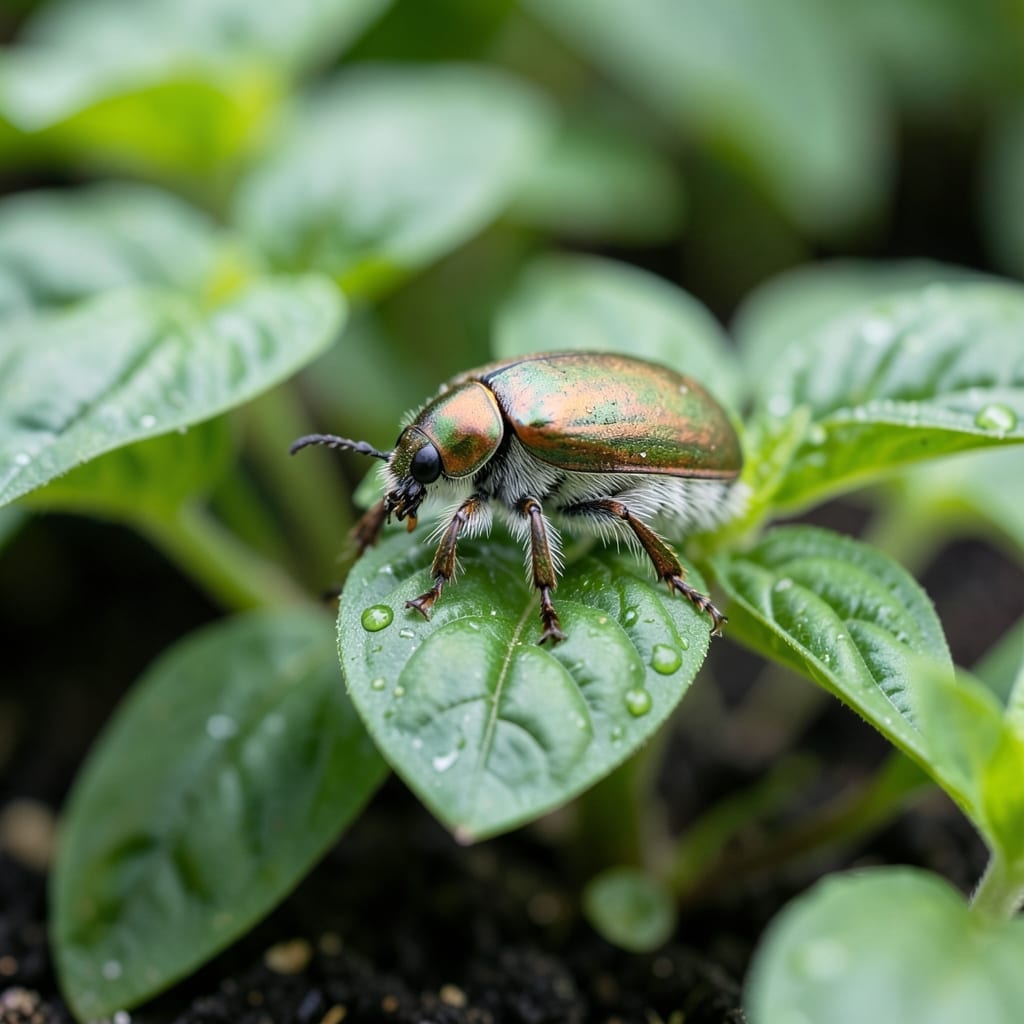
Nothing ruins a thriving basil plant faster than beetle damage overnight. I’ve watched healthy leaves turn to lace in 24 hours, and the culprits are usually Japanese beetles or flea beetles.
Here’s the thing—these pests aren’t just hungry, they’re persistent. Handpicking works for small infestations, but you’ll need a soap spray for anything larger. The key is catching them early before they multiply.
Within a week of consistent treatment, new growth returns and your basil bounces back stronger. The plants recover faster than you’d expect, especially if you act before the damage spreads.
Works for potted plants, garden beds, or window boxes. Let’s save that basil before it’s too late.
Basil’s lush, aromatic leaves are irresistible to many beetle species, but why do they flock to your plants? Here are the key scientific reasons:
Basil emits volatile organic compounds (VOCs) like eugenol, linalool, and methyl chavicol, which create its signature scent. While these oils repel some pests, beetles—especially Japanese beetles and flea beetles—are drawn to them as a food cue. The compounds signal fresh, nutrient-dense foliage, making basil a prime target.
Basil leaves are packed with nitrogen, sugars, and amino acids, which beetles need for energy and reproduction. Soft, young leaves are particularly vulnerable, as they’re easier to chew and digest. Over-fertilized basil (especially with nitrogen-heavy blends) may even enhance its appeal to pests.
Dense basil plants trap humidity at soil level, creating a microclimate that attracts moisture-seeking beetles like ground beetles and weevils. Additionally, the plant’s broad leaves provide shelter from predators (e.g., birds) and harsh sunlight, making it an ideal feeding ground.
Beetle outbreaks often spike due to warm, dry conditions. Basil stressed by drought or poor drainage releases distress signals (e.g., methyl jasmonate), which some beetles detect and exploit. Meanwhile, monoculture planting (growing basil in large, isolated patches) removes natural deterrents like companion plants (e.g., marigolds), leaving your crop defenseless.
Dealing with beetles on your basil doesn’t have to be a losing battle. Here’s how to tackle each common cause with simple, effective fixes—and prevent future invasions.
If you spot Japanese beetles or other large, visible pests, handpicking is your first line of defense. Drop them into a bucket of soapy water to drown them. Do this in the early morning or evening when they’re less active. Prevention tip: Check leaves daily—especially the undersides—to catch them early. 💡
For smaller beetles like flea beetles, a mild soap spray disrupts their cell membranes. Mix 1 tablespoon of liquid dish soap (unscented) with 1 quart of water and spray directly on pests. Reapply every 2–3 days or after rain. Prevention tip: Avoid overwatering—damp soil attracts beetles. ✨
Encourage natural predators like ladybugs, lacewings, or parasitic wasps. Plant companion flowers (e.g., marigolds, alyssum) nearby to draw them in. Prevention tip: Reduce pesticide use to keep these helpers around. 🎯
Shield young basil plants with lightweight row covers to block adult beetles from laying eggs. Secure the edges to the soil. Remove covers once plants flower to allow pollination. Prevention tip: Rotate covers if beetle pressure is high. 🌡️
Beetles love hiding in plant debris and weeds. Remove old leaves, mulch, and weeds around your basil to eliminate breeding grounds. Prevention tip: Till the soil in fall to expose and kill overwintering larvae. 🔥
With these targeted fixes, your basil will bounce back—and stay beetle-free!
Japanese beetles are metallic green with copper wings, while flea beetles are tiny and black. Look for chewed leaves with irregular holes or skeletonized patterns.
Handpick visible beetles in the morning or evening and drop them into soapy water. For smaller pests, use a soap spray of 1 tablespoon dish soap per 1 quart of water.
Yes! Use row covers for young plants, introduce beneficial insects like ladybugs, and plant companion flowers such as marigolds. Clean up garden debris regularly.
They’re attracted to basil’s volatile oils and high nutrient content. Over-fertilizing or damp soil can make the problem worse.