
Beautiful Plants For Your Interior
Beautiful Plants For Your Interior
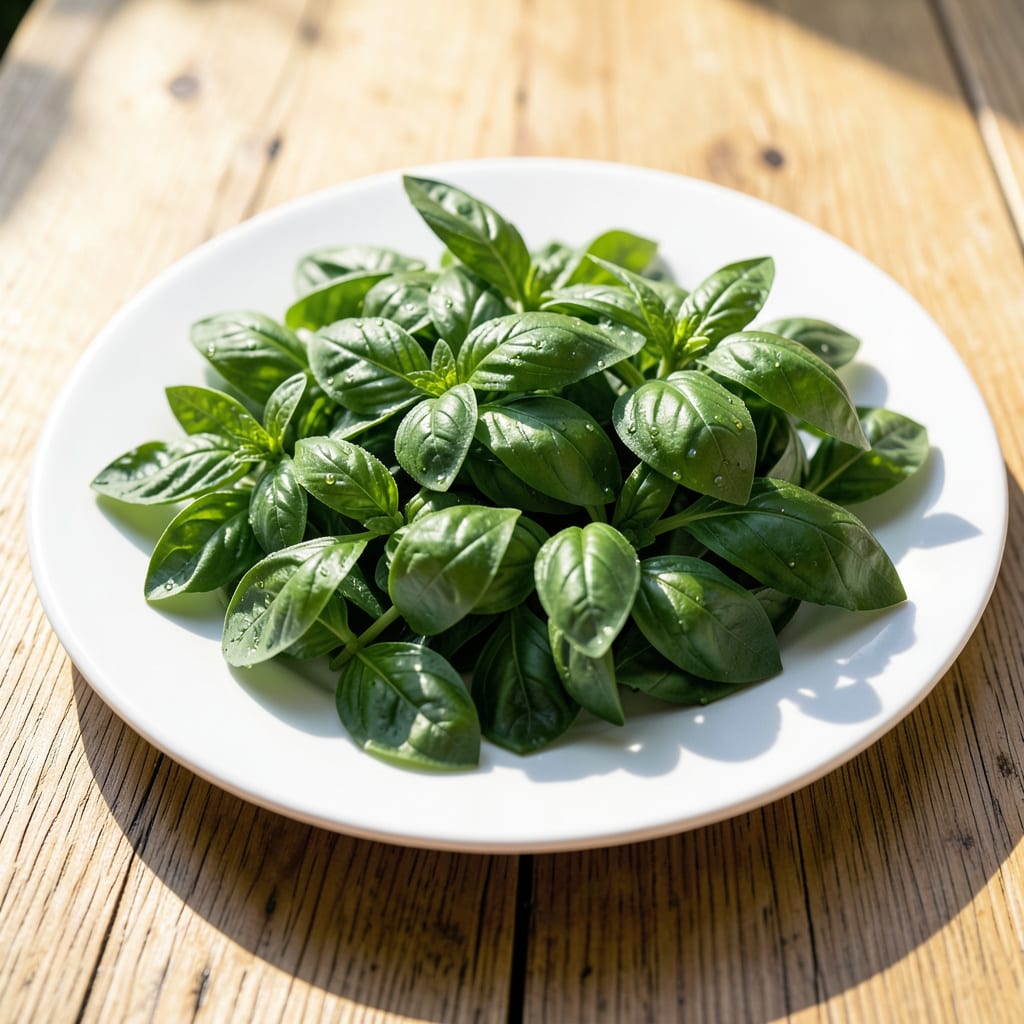
Basil leaves curling up usually signals something’s off in their environment. I’ve seen this happen overnight when conditions shift suddenly, and it’s almost always fixable.
Most often it’s water stress—either too much or too little—or a reaction to temperature swings. Sometimes it’s pests like aphids or spider mites hiding underneath. The good news is basil recovers quickly once you identify the issue.
You’ll see leaves unfurl within 24-48 hours after addressing the problem. The key is checking the soil moisture, inspecting for pests, and ensuring consistent growing conditions.
Works for potted basil, garden beds, or indoor plants. Here’s how to diagnose and fix it for good.
Basil leaves curl when the plant is under stress, and the causes usually fall into a few key categories. Here’s the science behind each one:
Underwatering causes basil leaves to curl inward to reduce surface area and minimize water loss. The plant’s cells lose turgor pressure, leading to wilting and curling. On the other hand, overwatering suffocates the roots, preventing them from absorbing oxygen and nutrients. This triggers stress responses, including leaf curl, as the plant struggles to maintain cellular function.
Basil thrives in warm, consistent temperatures (70–85°F). Exposure to cold drafts (below 50°F) or heat stress (above 90°F) disrupts its metabolic processes. Cold stress slows enzyme activity, while heat stress accelerates transpiration, causing leaves to curl as a protective mechanism to conserve moisture.
A lack of essential nutrients, particularly magnesium or calcium, can lead to leaf curling. Magnesium is central to chlorophyll production, and its deficiency causes interveinal chlorosis and curling. Calcium, vital for cell wall structure, leads to distorted growth when lacking. Test soil pH (ideal: 6.0–7.5) and amend with compost or balanced fertilizer if needed.
Sap-sucking pests like aphids, spider mites, or whiteflies drain the plant of fluids, causing stress and curling. Their feeding disrupts the flow of water and nutrients, and some pests inject toxins that further damage leaf tissue. Inspect the undersides of leaves for tiny insects or webbing.
Basil prefers humidity levels of 40–60%. In dry environments, the plant curls its leaves to reduce water loss through transpiration. This is especially common indoors with heating or air conditioning. Grouping plants together or using a humidity tray can help mitigate this issue.
When your basil leaves start to curl, quick action can restore their health. Below are targeted solutions for the most common causes, paired with prevention tips to keep your plant thriving.
Fix: Move potted basil indoors or to a shaded area during extreme heat (above 90°F). If cold is the issue (below 50°F), bring plants inside or use a frost cloth. Ensure consistent temperatures between 70–85°F.
Prevention: 💡 Place basil in a spot with stable temperatures, like a sunny windowsill away from drafts or AC vents.
Fix: Check soil moisture by inserting your finger 1 inch deep. If dry, water thoroughly until it drains from the bottom. If soggy, let the soil dry out before watering again and ensure pots have drainage holes.
Prevention: 💡 Water basil when the top inch of soil feels dry. Use well-draining soil and pots with drainage to avoid root rot.
Fix: Inspect the undersides of leaves for aphids, spider mites, or whiteflies. Spray with a mix of 1 tsp mild soap and 1 quart of water, or use neem oil. Repeat every 3–4 days until pests are gone.
Prevention: 💡 Regularly mist leaves to deter pests and keep the area around your basil clean of debris.
Fix: Yellowing or curling leaves may signal a lack of nitrogen or magnesium. Use a balanced, water-soluble fertilizer (10-10-10) every 4–6 weeks. For magnesium, add 1 tbsp of Epsom salt per gallon of water and spray on leaves.
Prevention: 💡 Feed basil lightly but consistently during the growing season, and refresh potting soil annually.
Fix: Increase humidity by misting leaves daily or placing a tray of water with pebbles near the plant. Grouping basil with other plants can also help.
Prevention: 💡 Keep basil in a naturally humid area, like a kitchen, or use a humidifier nearby.
Water when the top 1 inch of soil feels dry. Basil prefers consistent moisture but dislikes soggy roots. In hot weather, this may mean watering every 2-3 days.
Yes! Once you address the stress cause (water, temperature, pests), leaves often unfurl within 24-48 hours. Severely damaged leaves may not fully recover, but new growth will be healthy.
Basil thrives between 70-85°F. Avoid exposing it to temperatures below 50°F or above 90°F, as these extremes trigger leaf curling. Keep it away from drafts.
Inspect the undersides of leaves with a magnifying glass. Look for tiny insects, webbing, or sticky residue. Common culprits include aphids and spider mites. Treat with neem oil if found.
