
Beautiful Plants For Your Interior
Beautiful Plants For Your Interior
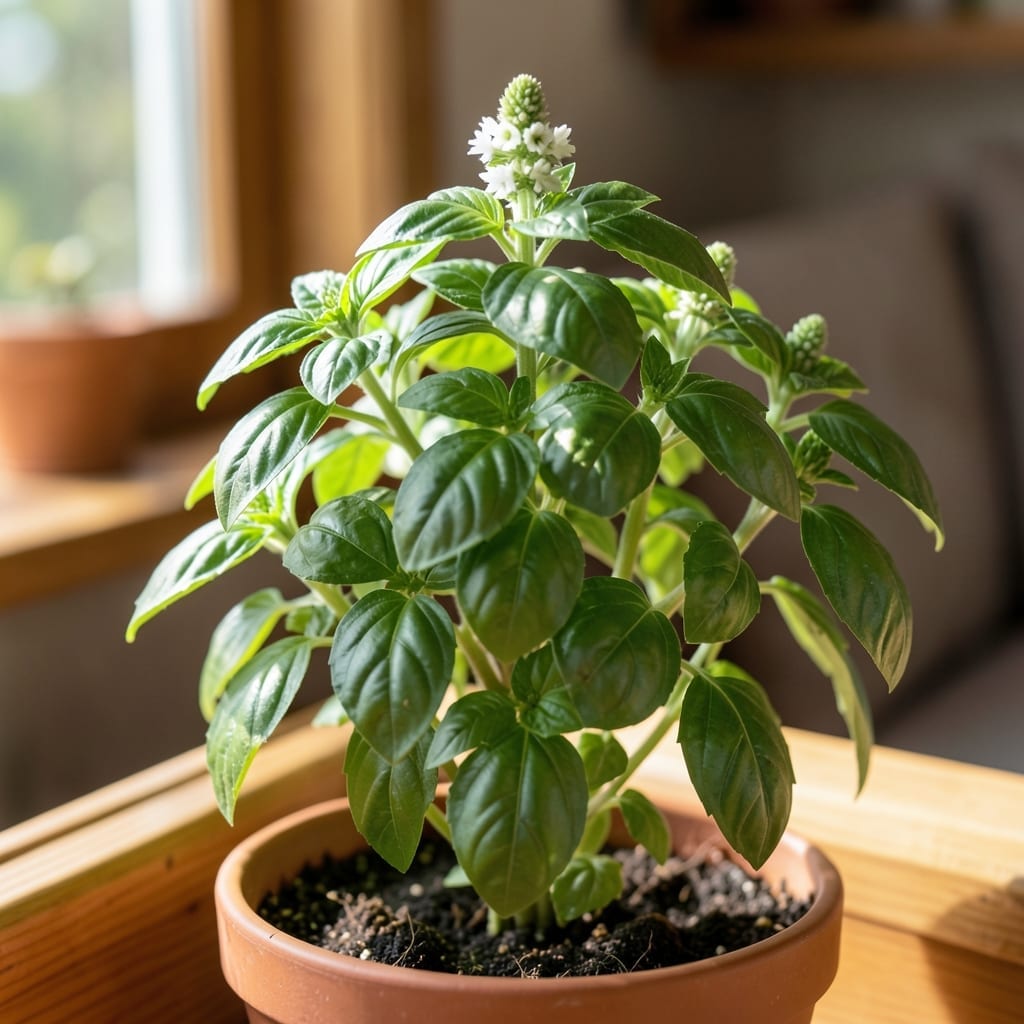
Nothing transforms a dish like fresh 🌿 Basil, but this flavorful herb demands just the right light to thrive. Get it wrong, and you’ll end up with weak, leggy plants instead of that lush, aromatic foliage you crave.
I’ve learned the hard way that sunlight is the make-or-break factor for healthy growth. Whether you’re growing in containers or a garden bed, the daily dose of light your basil receives directly impacts its flavor and vigor.
From wilting leaves to stunted stems, the signs of improper light are hard to miss. But with a few simple tweaks, you can keep your plants on track for a bountiful harvest from June to September.
Discover how to nail the perfect balance of sun exposure for your basil, no matter where you’re growing it. Let’s get started.


If you’re growing basil, sunlight is the most important factor for lush, flavorful leaves. Most varieties thrive with 6 to 8 hours of direct sunlight daily. Without enough light, your plants may grow leggy and weak, struggling to develop their signature aroma.
Different basil types have slightly varying needs. Sweet basil, the most common variety, does best with full sun. Meanwhile, Thai basil and purple basil can tolerate a bit less but still need bright, direct light for optimal growth.
| Variety | Minimum Sun | Optimal Sun | Max Tolerance |
|---|---|---|---|
| Sweet Basil | 5 hours | 6-8 hours | 10 hours |
| Thai Basil | 4 hours | 6-7 hours | 9 hours |
| Purple Basil | 4 hours | 5-7 hours | 8 hours |
| Lemon Basil | 5 hours | 6-8 hours | 10 hours |
For indoor basil, place your pots near a south-facing window to maximize light exposure. If natural light is limited, supplement with grow lights for 12-14 hours a day to mimic the sun’s intensity.
Outdoor basil should be planted in a spot that gets morning sun and some afternoon shade, especially in hotter climates. Too much intense sunlight can scorch the leaves, while too little will result in weak stems and small leaves.
If your basil plants receive less than 4 hours of sunlight, they’ll likely struggle. You’ll notice spindly growth and pale leaves, which are clear signs of light deprivation. In such cases, consider moving them or using reflective surfaces to bounce extra light their way.
On the other hand, too much sun can cause leaf burn or wilting. If your basil looks dried out or crispy, it might be getting excessive light. Providing afternoon shade in peak summer can help prevent this.
For the best flavor and growth, aim for a sunlight sweet spot. Monitoring your plants daily will help you adjust their position as needed. Remember, consistency is key—basil thrives on regular light exposure rather than sporadic, intense bursts.
Finally, if you’re growing basil in containers, rotate the pots weekly. This ensures even light distribution and prevents the plants from leaning toward the light source. It’s a simple trick that makes a big difference in overall health and yield.
☀️I’ve learned that basil plants are quite vocal about their sunlight needs. When they’re not getting enough, you’ll notice leggy growth as they stretch toward the light.
On the flip side, too much direct sun can scorch the leaves, turning them yellow or brown. Both scenarios can weaken the plant and reduce its fragrant leaf production.☀️
If your basil looks sparse with thin stems, it’s begging for more light. Move it to a sunnier spot or supplement with a grow light for 12-14 hours daily.
For sun-scorched basil, provide afternoon shade or relocate to a spot with dappled sunlight. A shade cloth can work wonders in extreme heat.
I always check my basil in the early morning and late afternoon to monitor its response to light. This helps me adjust its position before damage becomes irreversible.
Remember, consistent light is key—sudden changes can shock the plant. Gradually acclimate your basil to new light conditions over 3-4 days.🌿