
Beautiful Plants For Your Interior
Beautiful Plants For Your Interior
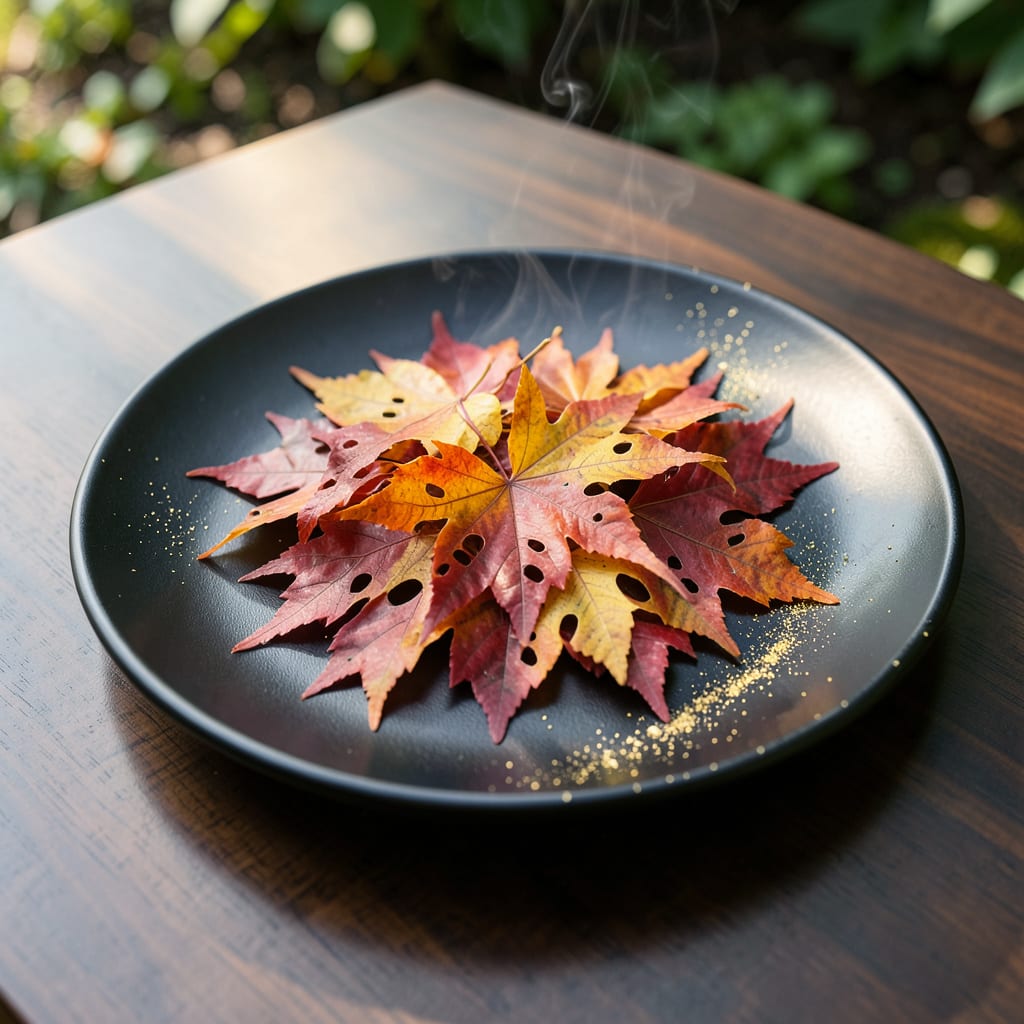
I noticed the jagged holes in my Japanese maple leaves last spring and panicked. Turns out, this is a common issue with a few likely culprits—and the solutions are simpler than you’d think.
Most often, it’s pests like caterpillars or beetles munching overnight. Sometimes, fungal spots weaken the tissue, leaving it vulnerable. Environmental stress from wind, hail, or even too much sun can mimic the damage.
Here’s the thing—identifying the cause is half the battle. Once you spot the pattern, you can target your fix. I’ll show you how to diagnose and treat each scenario effectively.
With a little attention, your maple can recover and flourish. The key is acting fast before the damage spreads.
Several factors can lead to those unsightly holes in Japanese maple leaves. Understanding the root cause is the first step toward effective treatment and prevention.
Japanese beetles, aphids, and caterpillars are common culprits. These pests chew through the delicate foliage, leaving irregular holes or jagged edges. Japanese beetles, in particular, skeletonize leaves by feeding on the soft tissue between veins. Look for visible insects or their larvae on the undersides of leaves.
Pathogens like Anthracnose or bacterial leaf spot can cause spots that eventually develop into holes as the tissue dies and falls out. These infections thrive in wet, humid conditions. Infected leaves often show brown or black spots with yellow halos before the holes appear.
Extreme weather—such as hail, strong winds, or frost—can physically tear leaves, creating holes. Poor soil conditions or improper watering (too much or too little) may also weaken the tree, making it more susceptible to pests and diseases that cause foliage damage.
Deer, rabbits, and even squirrels may nibble on Japanese maple leaves, leaving behind ragged holes. This type of damage is often concentrated on lower branches and can be identified by the uneven, torn edges of the holes.
Addressing the holes in your Japanese maple leaves starts with identifying the cause and applying the right fix. Below are targeted solutions for each common issue, along with prevention tips to keep your tree healthy.
For Japanese beetles, aphids, or caterpillars, start by picking off visible pests by hand (wear gloves!). For larger infestations, spray with neem oil or insecticidal soap in the early morning or late evening. For severe cases, use a pyrethrin-based insecticide, but avoid harsh chemicals that may harm beneficial insects.
Prevention: Apply horticultural oil in early spring to smother overwintering eggs. Encourage natural predators like ladybugs and lacewings by planting companion flowers nearby. 💡
If anthracnose or bacterial leaf spot is the culprit, remove and destroy infected leaves immediately to prevent spread. Improve air circulation by pruning crowded branches. Apply a copper fungicide or baking soda spray (1 tbsp baking soda + 1 tsp dish soap + 1 gallon of water) every 7–10 days during wet seasons.
Prevention: Water at the base of the tree (not overhead) to keep foliage dry. Mulch with organic material to reduce soil-borne splashing. ✨
For drought or nutrient deficiencies, water deeply 1–2 times per week (more in extreme heat) and ensure the soil is well-draining. If the soil is poor, amend it with compost or use a balanced, slow-release fertilizer (10-10-10) in early spring. Yellowing leaves may indicate iron deficiency—apply chelated iron as a foliar spray or soil drench.
Prevention: Test soil pH (Japanese maples prefer slightly acidic, 5.5–6.5) and adjust with sulfur or lime if needed. Avoid over-fertilizing, which can stress the tree. 🎯
Deploy chicken wire or tree guards around the trunk to deter rabbits, deer, or rodents. For smaller pests like slugs and snails, set up beer traps or sprinkle diatomaceous earth around the base. Keep the area free of debris where pests might hide.
Prevention: Regularly inspect the tree for new damage and reapply barriers as needed, especially in winter when food is scarce for animals. 🌡️
Check the undersides of leaves for insects or their eggs. Jagged, uneven holes often signal beetles or caterpillars. Look for chewed edges or webbing as confirmation.
Yes, removing affected leaves prevents further spread. Your tree can regrow healthy foliage with proper care and treatment of the underlying cause.
Apply fungicides in early morning or late evening during dry weather. Treat every 7-10 days during wet seasons to prevent recurrence.
Indirectly, yes. Overwatering weakens the tree, making it more vulnerable to pests and diseases that create holes. Ensure well-draining soil.
