
Beautiful Plants For Your Interior
Beautiful Plants For Your Interior
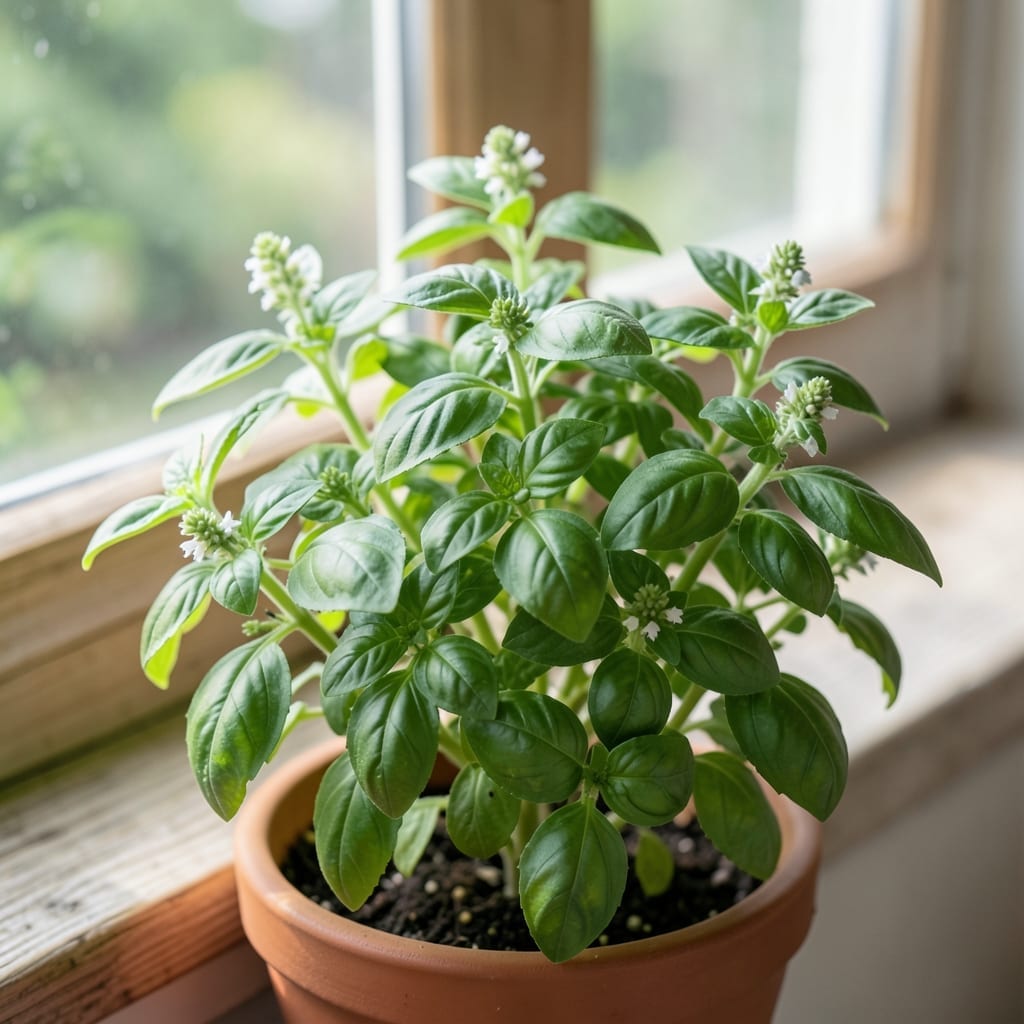
Basil is highly cold-sensitive and typically cannot survive frost. Most varieties die at temperatures below 32°F, while growth slows significantly below 50°F. Use protective measures before cold snaps.
I’ve learned through experience that basil thrives in warmth, and even a light frost can turn leaves black overnight. 🔥 Below 50°F, the plant’s metabolism slows, halting new growth and weakening its natural defenses. This is why gardeners in cooler climates often treat it as an annual or move pots indoors when temperatures start to dip.
💡 In This Article
The physiological stress begins in the plant’s cells. Cold temperatures below 50°F slow down photosynthesis, reducing the plant’s ability to produce energy. Basil leaves start to yellow as chlorophyll breaks down without adequate replacement. This is the first visible sign of distress, often followed by wilting as cellular water uptake becomes inefficient.
At 32°F, ice crystals form inside plant cells, rupturing cell walls. This is why frost is fatal—it causes irreversible damage to the plant’s structure. The leaves turn black and mushy as the frozen water expands, destroying the delicate tissue. Even brief exposure to freezing temperatures can kill basil, especially young or tender varieties.
Root systems aren’t spared either. Cold soil below 50°F inhibits nutrient absorption, starving the plant. Roots become sluggish, failing to deliver water and minerals to the leaves. This creates a vicious cycle: as the plant weakens, it becomes even more vulnerable to cold damage. 🔥
Genetics play a role in cold sensitivity. Sweet basil varieties like Genovese are particularly fragile, while some wild types (e.g., African blue basil) show slightly more resilience. Yet none can survive prolonged freezing. The plant’s tropical origins mean it evolved without cold-adaptive mechanisms, making it uniquely susceptible to temperature drops.
Humidity compounds the problem. Cold, damp conditions encourage fungal growth on stressed basil leaves. Powdery mildew and downy mildew thrive in these environments, further weakening the plant. This is why sudden cold snaps in humid climates often lead to complete crop loss within days.
Growth hormones also take a hit. Cold temperatures suppress the production of auxins, the hormones responsible for cell elongation. This is why basil stops growing taller and bushier when temperatures drop, even if it survives. The plant enters a dormant-like state, conserving energy but producing no new leaves.
Most basil varieties die at 32°F or below. Even temperatures between 32-50°F will stunt growth and cause leaf damage.
Minor cold stress (above 40°F) may allow recovery with warm weather and care. Below freezing, the damage is usually irreversible.
Yes! A 2-3 inch layer of organic mulch insulates roots, keeping soil warmer and reducing cold shock.
Yes. Varieties like Spicy Globe or African Blue tolerate slightly lower temps, but none survive prolonged frost. Always protect below 40°F.
Move potted basil to a sunny windowsill or under grow lights. Maintain 70-80°F for best results.