
Beautiful Plants For Your Interior
Beautiful Plants For Your Interior
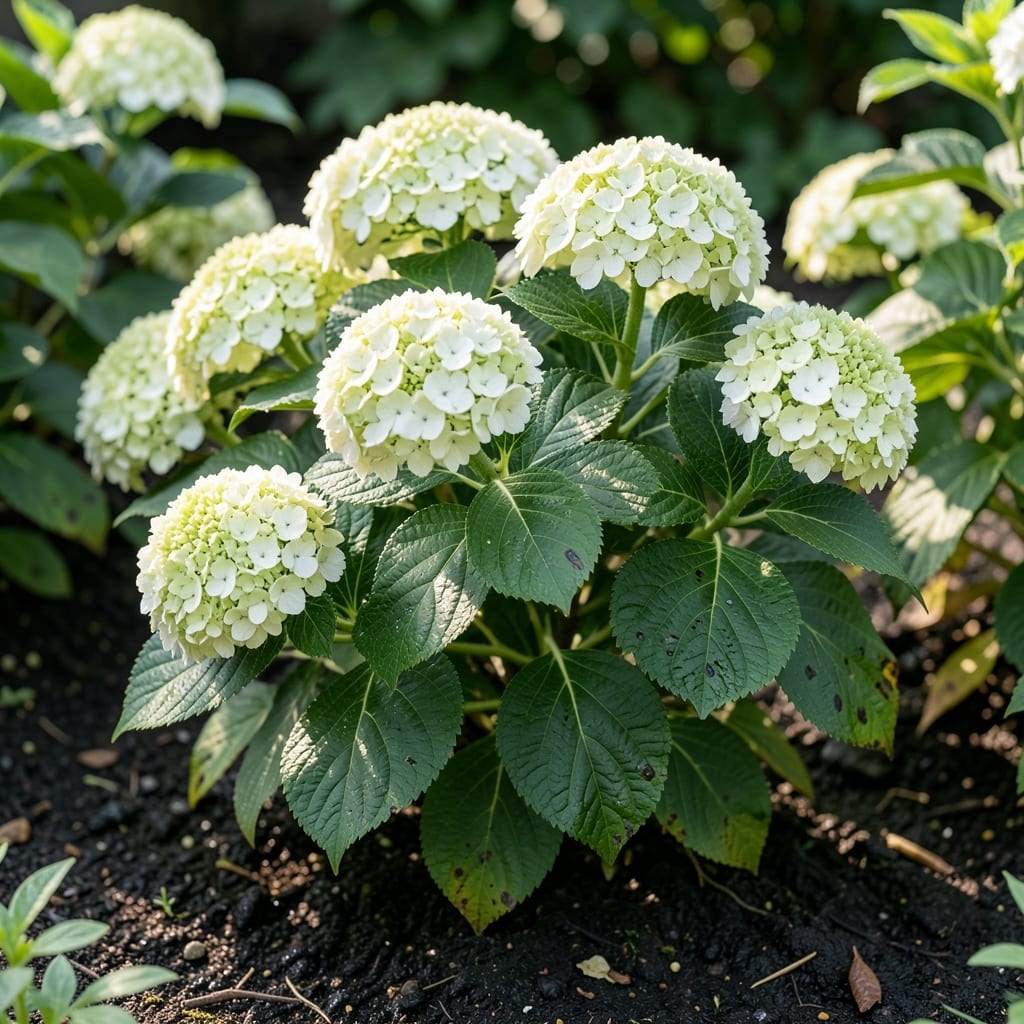
Those purple-brown spots on your hydrangea leaves aren’t just ugly—they’re spreading. I learned the hard way that bacterial leaf spot thrives in wet, crowded conditions, turning a lush shrub into a sad skeleton overnight.
Here’s the thing—it’s preventable with better airflow and watering habits. I check soil moisture with my finger now, and my hydrangeas haven’t had a repeat outbreak in 3 seasons.
Organic treatments like copper sprays and baking soda solutions work, but timing is everything. Catch it early, and your plants bounce back faster than you’d expect.
Works for bigleaf, oakleaf, and panicle varieties alike. Let’s save those blooms.
Bacterial leaf spot on hydrangeas isn’t just bad luck—it’s usually the result of specific environmental and cultural conditions. Here’s why it happens:
The primary cause is Xanthomonas or Pseudomonas bacteria, which thrive in moist environments. When hydrangea leaves stay wet for extended periods (from rain, overhead watering, or high humidity), bacteria multiply rapidly. Actionable tip: Water at the base of the plant early in the day to allow foliage to dry quickly.
These bacteria flourish in temperatures between 75–85°F (24–29°C) with high humidity. Such conditions accelerate infection spread, especially in crowded plantings with poor air circulation. Actionable tip: Space hydrangeas properly and prune to improve airflow.
Bacteria can overwinter in soil or on gardening tools, reinfecting plants the following season. Infected plant debris left on the ground also harbors pathogens. Actionable tip: Sterilize pruners with rubbing alcohol and remove fallen leaves to break the disease cycle.
Some hydrangea cultivars, like Hydrangea macrophylla (bigleaf hydrangea), are more prone to bacterial leaf spot due to their dense foliage and tender leaves. Actionable tip: Opt for resistant varieties like oakleaf hydrangeas (H. quercifolia) if leaf spot is a recurring issue.
Dealing with bacterial leaf spot on your hydrangeas? Here’s how to tackle the issue head-on with practical solutions for each cause.
Bacteria thrive in damp conditions. Water your hydrangeas at the base early in the day to allow foliage to dry quickly. Prune dense branches to boost air circulation, reducing humidity around leaves. Avoid overhead watering, especially in the evening.
Prevention tip: 💡 Space plants 3–4 feet apart to minimize crowding and moisture buildup.
If the soil harbors bacteria, remove the top 2–3 inches and replace it with fresh, well-draining mix. For potted hydrangeas, sterilize the soil by baking it at 200°F for 30 minutes. This kills lingering pathogens without chemicals.
Prevention tip: 🌱 Rotate planting spots yearly to prevent soil-borne bacteria from recurring.
Bacteria spread easily via pruners or shears. Dip tools in a 10% bleach solution (1 part bleach to 9 parts water) between cuts, or use rubbing alcohol. Always clean tools after trimming infected plants to avoid cross-contamination.
Prevention tip: ✨ Keep a spray bottle of sanitizer near your gardening area for quick touch-ups.
At the first sign of spots, pluck infected leaves and dispose of them in sealed bags—not compost. For severe cases, prune entire affected stems 6 inches below the damage. This removes the bacteria’s food source and stops its spread.
Prevention tip: 🎯 Inspect leaves weekly during wet seasons to catch issues early.
Consistency is key! Combine these fixes with copper-based organic sprays (applied weekly) for an extra layer of protection. Healthy hydrangeas start with proactive care. 🌿
Bacterial spots have a water-soaked, angular appearance with yellow halos. Fungal spots are usually circular with defined edges.
Mild cases may resolve with better air circulation. Severe infections need treatment to prevent defoliation and plant decline.
Neem oil isn’t effective against bacterial infections. Copper-based sprays or baking soda solutions work better for bacterial leaf spot.
With proper treatment and dry conditions, you’ll see reduced spreading within 1-2 weeks. Full recovery may take a month.