
Beautiful Plants For Your Interior
Beautiful Plants For Your Interior
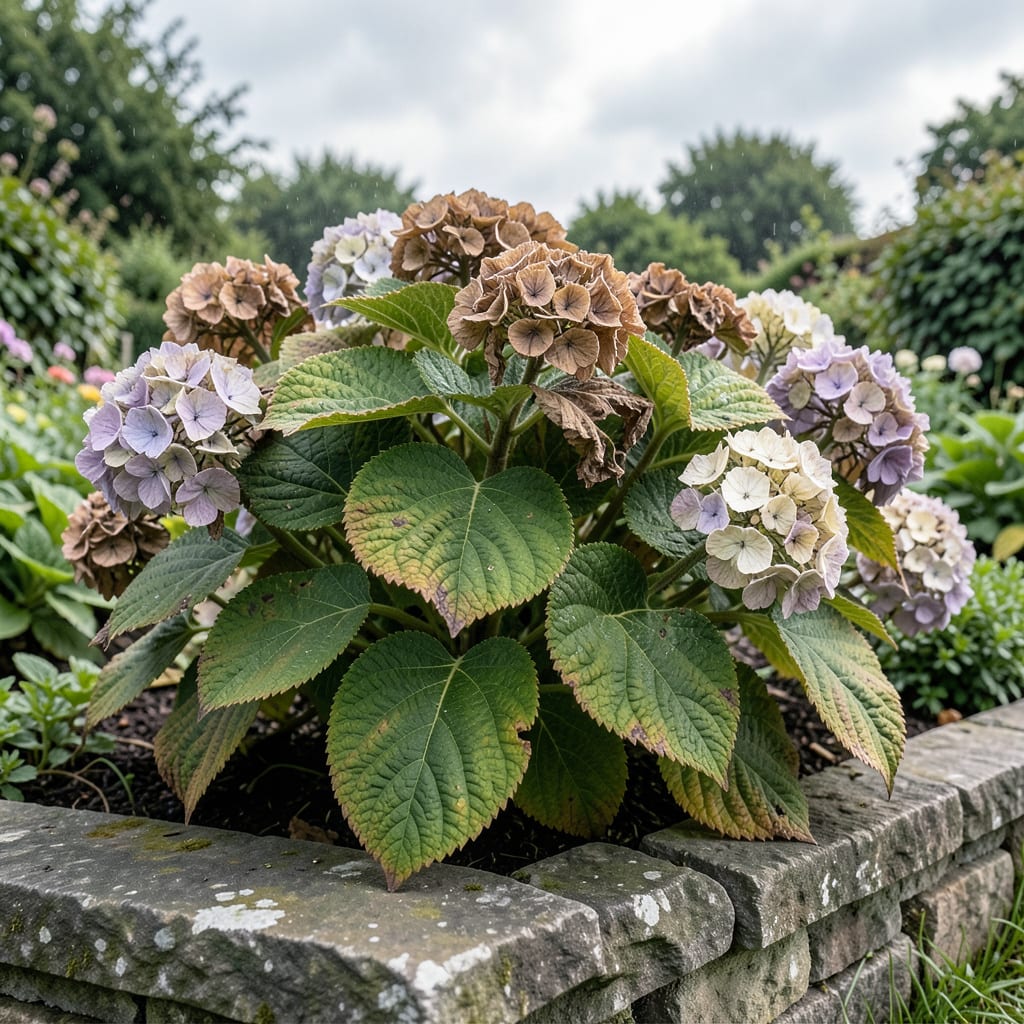
First time I saw my hydrangea leaves curl and brown, I panicked. Turns out, it’s usually a simple fix—often just water stress or a hidden pest doing damage under the radar.
UK gardeners face unique challenges here. Our damp springs can fool you into overwatering, while sudden summer heat leaves plants gasping. The key is spotting the pattern before it spreads to the whole bush.
Most cases clear up with adjusted watering, better air flow, or a quick pest check. I’ve saved countless hydrangeas with just these tweaks, and the plants bounce back faster than you’d expect.
Early action makes all the difference. Catch it today, and your hydrangea could be back to full, vibrant green glory within a couple of weeks.
Hydrangea leaves curling and turning brown in the UK often stem from environmental stress, pests, or cultural missteps. Here’s a breakdown of the most common causes:
Hydrangeas thrive in moist, well-drained soil. When temperatures rise or rainfall is scarce, the plant conserves water by curling its leaves to reduce surface area. Prolonged drought leads to brown, crispy edges as cells die from dehydration. UK summers, though mild, can still trigger this if soil moisture isn’t maintained.
While hydrangeas love water, soggy roots suffocate and rot, cutting off nutrient uptake. This causes leaves to curl inward and turn brown from the tips. Clay-heavy UK soils worsen this—waterlogging is a silent killer. Check drainage by digging a small hole; if water pools for hours, amend the soil with organic matter.
Spider mites and aphids are common UK culprits. These pests pierce leaf cells to feed, causing stippling, curling, and browning. Spider mites thrive in dry, hot conditions (even in greenhouses), while aphids cluster on new growth. Inspect leaf undersides for webbing or tiny insects.
A lack of magnesium or potassium often shows as brown leaf edges or interveinal chlorosis (yellowing between veins). UK soils, especially sandy or acidic ones, may lack these nutrients. Test soil pH—hydrangeas prefer 5.2–6.2; extreme acidity or alkalinity can lock out essential minerals.
Late spring frosts in the UK can damage tender new hydrangea leaves, causing them to curl, blacken, or turn brown. Even a light frost (-2°C) can harm Hydrangea macrophylla varieties. Protect plants with fleece if cold snaps are forecasted.
Leaf spot (e.g., Cercospora or Anthracnose) starts as small brown spots that expand, causing curling and premature leaf drop. High humidity and poor air circulation—common in UK gardens—foster fungal growth. Remove affected leaves and avoid overhead watering.
When your hydrangea leaves start curling and turning brown, quick action can save your plant. Below are targeted fixes for the most common causes, along with prevention tips to keep your hydrangeas thriving.
If dry soil is the culprit, give your hydrangea a deep watering—soak the root zone until the top 2-3 inches of soil are moist. Water slowly to avoid runoff. For prevention, mulch around the base with organic matter to retain moisture, and water early in the morning to reduce evaporation.
Soggy roots lead to brown, curling leaves. Stop watering immediately and check the soil—if it’s waterlogged, amend the soil with compost or perlite to improve drainage. For potted hydrangeas, ensure the container has drainage holes. Prevention tip: Water only when the top inch of soil feels dry.
Too much direct sunlight can scorch leaves. Move potted hydrangeas to a partially shaded spot or use shade cloth for in-ground plants during peak afternoon hours. Prevention: Plant hydrangeas in locations with dappled sunlight or morning sun/afternoon shade.
Extreme heat or cold drafts can stress hydrangeas. During heatwaves, increase watering frequency and mulch heavily. For cold snaps, protect plants with frost cloth. Prevention: Choose hydrangea varieties suited to the UK climate, like Hydrangea macrophylla or H. paniculata.
Check undersides of leaves for aphids or spider mites. Blast them off with a strong stream of water, or apply insecticidal soap. For prevention, encourage beneficial insects like ladybugs and maintain good airflow around the plant.
If fungal diseases (e.g., leaf spot) are present, remove affected leaves and treat with a copper-based fungicide. Improve airflow by pruning crowded branches. Prevention: Avoid overhead watering and space plants properly to reduce humidity.
💡 Pro Tip: Regularly clean up fallen leaves and debris to minimize fungal spores in the soil.
Not usually! Most cases recover with proper care. Curling leaves often bounce back in 1-2 weeks once you address the issue.
Yes, but only if they’re severely brown or crispy. Removing damaged foliage helps the plant focus energy on new growth. Always use clean shears.
Water deeply 2-3 times per week in dry spells, less in rainy weather. Check soil moisture 2 inches down—if dry, it’s time to water.
Yes, but hard water may affect soil pH over time. If your area has very hard water, occasional rainwater or distilled water can help.
