
Beautiful Plants For Your Interior
Beautiful Plants For Your Interior
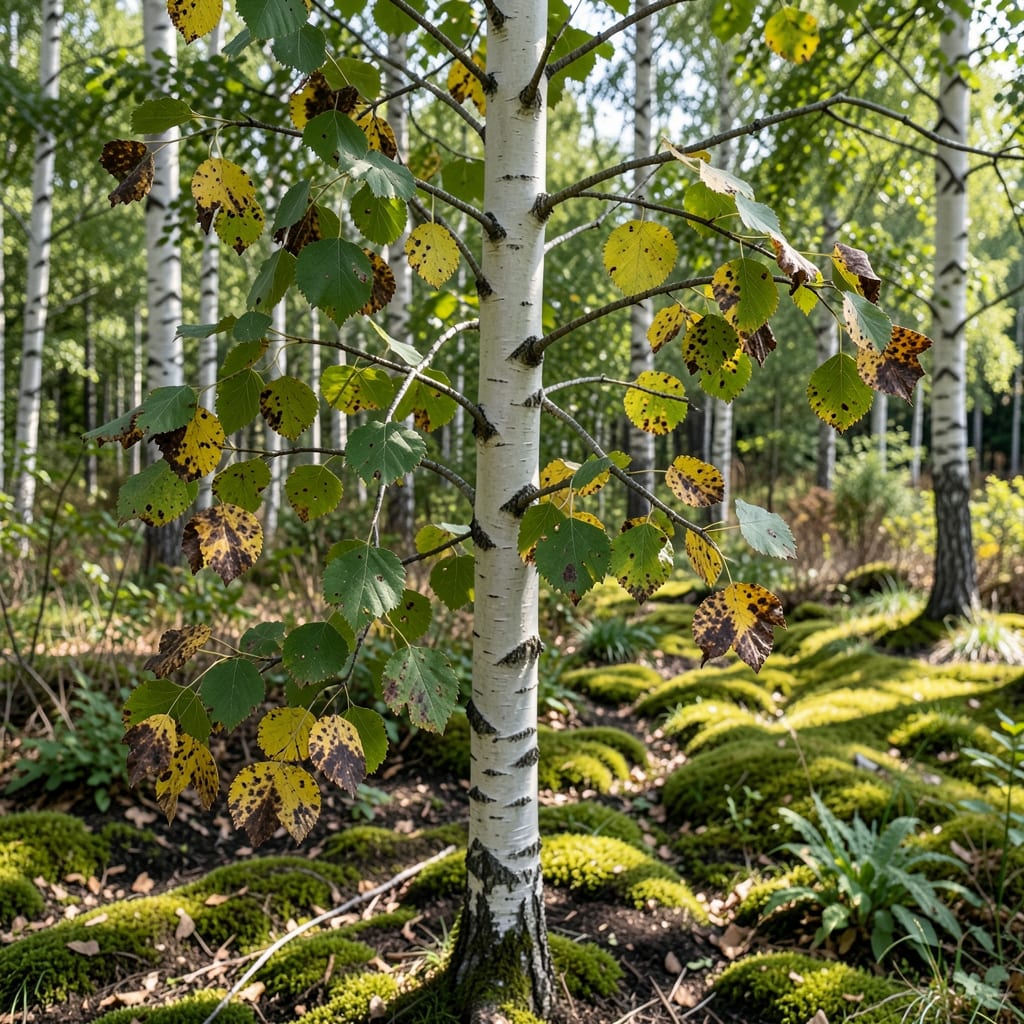
Your aspen’s leaves shouldn’t look like Swiss cheese. I’ve seen healthy trees turn spotted and skeletal in one season, and it’s always a disease stealing the show.
Most issues start with subtle signs—yellow halos, black speckles, or curled edges. Catching them early means the difference between a full recovery and a tree that never quite bounces back.
Treatment isn’t complicated once you know what you’re fighting. A little pruning here, a targeted spray there, and your aspen can shake off the problem faster than you’d expect.
Prevention is even simpler. Keep the air moving, the soil healthy, and your eyes open. That’s how I’ve kept my aspens thriving for years.
Understanding the root causes of leaf diseases in aspen trees helps in both prevention and treatment. Here are the primary factors that contribute to these issues:
Fungi are the most common culprits behind aspen leaf diseases. Species like Marssonina and Venturia thrive in wet, humid conditions, spreading spores that infect leaves. These pathogens often enter through tiny wounds or stomata, leading to discoloration, spots, or premature leaf drop. Wet springs or summers create ideal breeding grounds for these fungi.
Bacteria such as Xanthomonas and Pseudomonas can cause leaf blights and spots. These bacteria often spread through water splashes, contaminated tools, or insects. Once inside the leaf tissue, they multiply rapidly, disrupting cellular function and causing necrotic lesions. Overhead irrigation and crowded plantings can exacerbate bacterial spread.
Insects like aphids, leaf miners, and aspen leaf spot beetles weaken trees by feeding on foliage. Their damage creates entry points for secondary infections, while some pests (e.g., Chalara fungi) are directly associated with disease transmission. Stress from pest activity reduces the tree’s ability to fend off pathogens.
Drought, extreme temperatures, or poor soil conditions stress aspen trees, making them more susceptible to diseases. Weakened trees lack the vigor to resist infections, and stressed leaves often exhibit symptoms like scorching or yellowing, which can mimic or worsen disease effects.
Improper planting depth, lack of pruning, or inadequate air circulation can create microclimates that favor disease development. Over-fertilization, especially with nitrogen, can promote lush but weak growth that’s more prone to fungal attacks. Ensuring proper spacing and sanitation helps mitigate these risks.
Dealing with aspen leaf diseases starts with recognizing the problem and taking swift, targeted action. Below are practical solutions for common issues, along with prevention tips to keep your trees thriving.
If you notice brown or black spots on leaves, act fast to prevent spreading. Remove and destroy infected leaves—don’t compost them, as this can reinfect the tree. Apply a copper-based fungicide to the tree, following the label instructions. For severe cases, repeat applications every 7–10 days until the disease subsides.
Prevention tip: 💡 Improve air circulation by pruning overlapping branches, and avoid overhead watering to reduce moisture on leaves.
White, powdery patches on leaves signal mildew. Treat with neem oil or sulfur-based fungicides, applying in the early morning or late evening to avoid leaf burn. For organic options, a baking soda solution (1 tablespoon baking soda + 1 teaspoon dish soap + 1 gallon water) can help mild cases.
Prevention tip: 🌡️ Plant aspens with ample spacing to reduce humidity, and water at the base to keep foliage dry.
Aphids cause curled, yellowing leaves and sticky residue. Blast them off with a strong stream of water, or apply insecticidal soap or horticultural oil. For persistent problems, introduce natural predators like ladybugs.
Prevention tip: ✨ Encourage beneficial insects by planting companion flowers like marigolds or alyssum nearby.
Black, tar-like spots appear in late summer. Rake and remove fallen leaves in autumn to eliminate overwintering spores. Fungicides are rarely needed, but if the issue recurs yearly, apply a protective fungicide in early spring before new growth emerges.
Prevention tip: 🎯 Mulch with clean wood chips to reduce splashing water, which can spread spores.
Consistent care and early intervention are key to managing aspen leaf diseases. Stay vigilant, and your trees will reward you with vibrant, healthy foliage.
Brown spots often indicate fungal leaf spot diseases like Marssonina. These typically appear in wet conditions and can spread quickly if untreated. Remove affected leaves immediately to prevent further damage.
Yes, a baking soda solution (1 tablespoon baking soda + 1 teaspoon dish soap + 1 gallon water) works well for mild cases. Spray in the morning for best results, repeating weekly as needed.
Improve air circulation by pruning, avoid overhead watering, and clean up fallen leaves in autumn. These steps reduce moisture and remove spores that could cause reinfection next season.
Aphids are a common cause of curled leaves. Check the undersides for tiny insects and treat with insecticidal soap. Curling can also result from environmental stress like drought.