
Beautiful Plants For Your Interior
Beautiful Plants For Your Interior
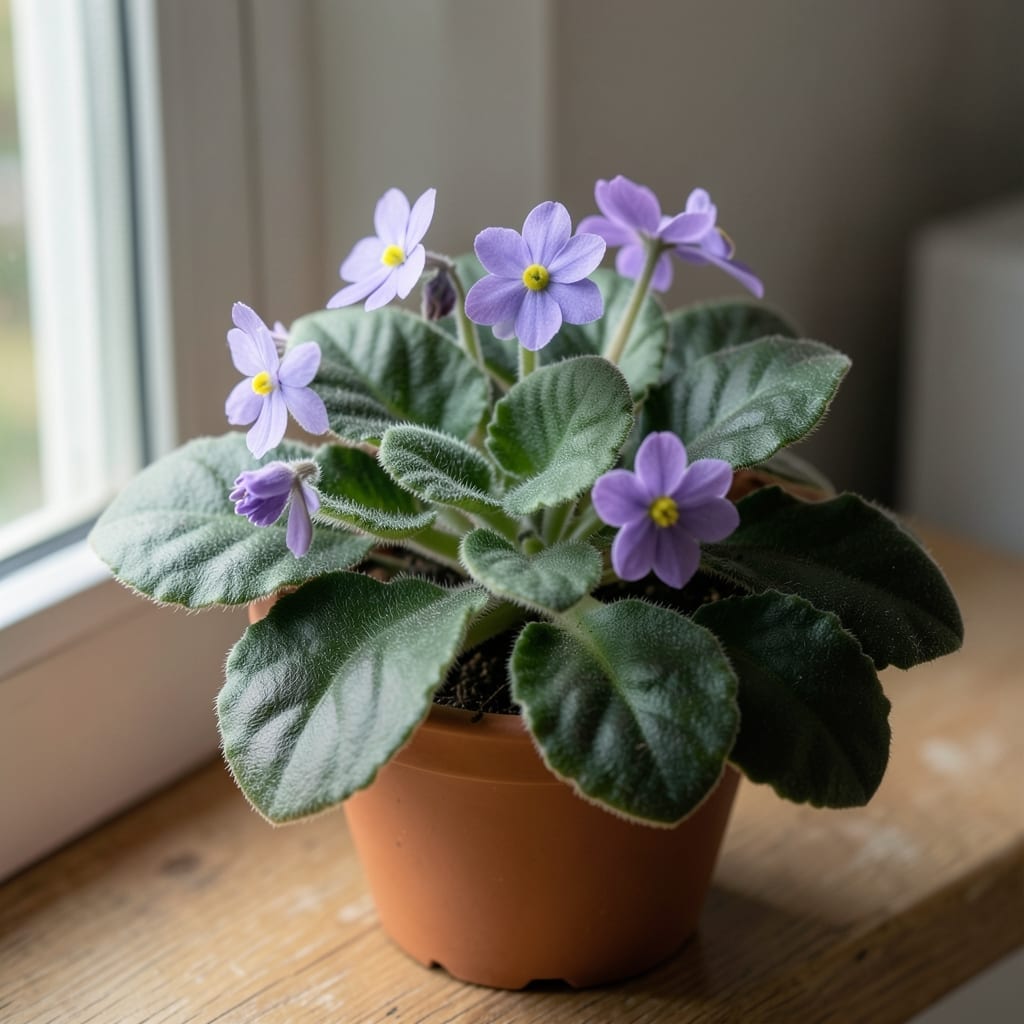
Violets are typically perennials, returning year after year with proper care. Some varieties may self-seed and appear annual-like, but most maintain a multi-year lifespan in suitable climates.
What fascinates me about violets is their resilience—they often survive harsh winters through dormant roots and re-emerge in spring. Their ability to self-seed can sometimes create confusion, as new plants may appear annually even though the original is perennial. This adaptability makes them ideal for gardeners looking for low-maintenance, recurring blooms. ✨
💡 In This Article
What makes violets true perennials is their rhizomatous root system. These underground stems store energy and nutrients, allowing the plant to go dormant during winter and regrow from the same roots when conditions improve in spring.
This is different from annuals, which complete their entire life cycle in a single growing season and must be replanted each year.
The Viola genus, which includes most garden violets, has evolved this survival strategy in temperate climates. Their roots can survive temperatures as low as -20°F (-29°C) when properly mulched, and they’ll often push through 2-3 inches of soil to re-emerge.
This is why you’ll see the same violet plants returning in the same spots year after year. 🌟
Some confusion comes from violets’ ability to self-seed prolifically. A single plant can produce hundreds of seeds that may germinate the following spring, creating what looks like new annual plants. However, these are actually offspring of the original perennial, not a separate annual species.
The growth habit also differs from true annuals. Violets spread slowly through their root system, forming dense colonies over time. In contrast, annual violets (like some hybrid varieties) will grow rapidly, flower once, produce seeds, and then die—never to return. This fundamental difference in life strategy is what classifies most violets as perennials.
Climate plays a role too. In regions with mild winters, some violet varieties may behave as evergreen perennials, maintaining foliage year-round. In colder areas, they’ll die back to the ground but the roots remain alive, ready to sprout anew when soil temperatures rise above 40°F (4°C) in spring. ⚡
Most violet plants live 3-5 years or longer in ideal conditions. Their perennial nature means they return each spring from the same root system. Some wild varieties can persist for decades in undisturbed locations.
Certain varieties self-seed so prolifically that new plants appear annually. These may look like annuals but are actually offspring of the original perennial. True annual violets are rare and typically hybrid varieties.
Yes, their roots survive winter dormancy even in zones with -20°F temperatures. Mulching with 2-3 inches of organic material helps protect them. They’ll re-emerge when soil warms above 40°F in spring.
but ensure containers are at least 12 inches deep. Use well-draining soil and bring pots indoors before frost in cold areas. Container-grown violets may need more frequent watering than garden plants.