
Beautiful Plants For Your Interior
Beautiful Plants For Your Interior
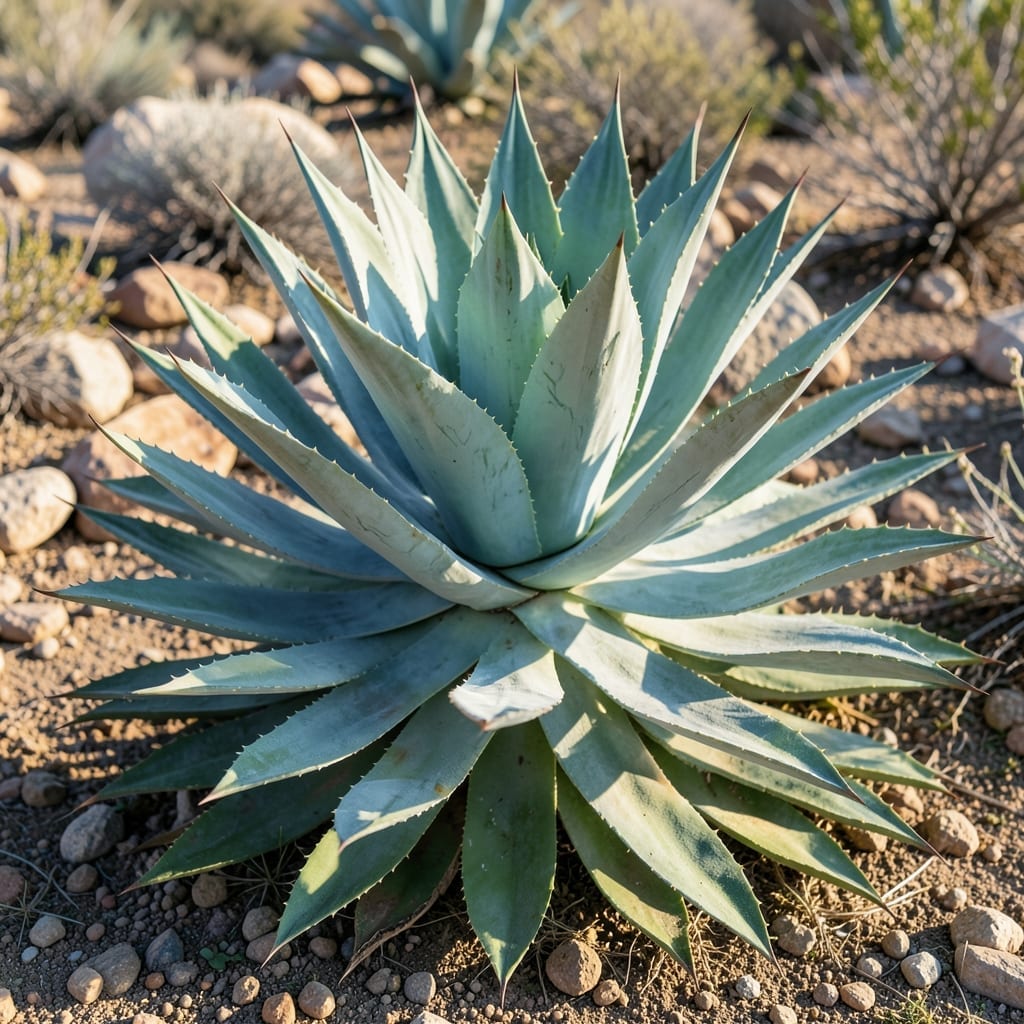
I was shocked to learn that some 🌵 Agave plants can outlive most pets we keep at home. These striking succulents aren’t just beautiful – they’re built to last.
From the quick-blooming tequila agave to the century-spanning American agave, their lifespans vary dramatically. The right care can mean the difference between a 5-year plant and one that thrives for decades.
Let me show you what determines their longevity and how to give your Agave the best possible chance at a long, healthy life in your garden.
If you’re wondering how long agave plants live, the answer depends heavily on the species. Some varieties, like the tequila agave, may only grace your garden for 5-15 years, while others can thrive for decades.
The monocarpic nature of agave means most species flower once and then die, but their offsets often continue the legacy. This unique life cycle makes understanding each species’ timeline crucial for gardeners.
| Agave Species | Average Lifespan | Key Notes |
|---|---|---|
| Agave americana | 25-30 years | Century plant, large rosettes |
| Agave parryi | 20-30 years | Cold-hardy, blue-green leaves |
| Agave victoriae-reginae | 20-40 years | Queen Victoria agave, slow-growing |
| Agave tequilana | 5-15 years | Blue agave, used for tequila |
The Agave americana, often called the century plant, can live up to 30 years before its dramatic flowering. Despite its nickname, it rarely reaches a full century, but its impressive size makes it a garden centerpiece.
On the shorter end, Agave tequilana matures quickly, often flowering in just 5-8 years. This rapid lifecycle is why commercial tequila producers harvest it relatively young for optimal sugar content.
For gardeners in colder climates, Agave parryi offers both beauty and resilience. Its 20-30 year lifespan and ability to withstand temperatures down to 10°F make it a popular choice for rock gardens.
The Queen Victoria agave is a stunning but slow-growing option. Its compact size and striking white markings make it ideal for containers, and with proper care, it can live 20-40 years. ☀️
Remember that these are averages. In ideal conditions with proper drainage, full sun, and minimal water, many agaves exceed their typical lifespan ranges. The key is mimicking their native arid environments.
Flowering is the most dramatic indicator of an agave’s lifecycle. Most species send up a tall flower stalk once in their lifetime, which signals the beginning of the end. However, this process often produces offsets or “pups” that continue the plant’s legacy.
I’ve found that agaves grown in containers often have slightly shorter lifespans than those planted in the ground due to root restriction, but they can still thrive for decades with proper care. 🌵
I’ve learned that with the right care, you can significantly extend your agave plant’s lifespan. While genetics play a role, proper growing conditions make all the difference for these resilient succulents.
The foundation is well-draining soil—agaves hate soggy roots. A mix of 50% potting soil and 50% perlite or sand works wonders in preventing root rot, which is a common killer.
Sunlight is non-negotiable—these desert natives need full sun exposure. If growing indoors, place them near a south-facing window or supplement with grow lights to mimic their natural habitat.
Watering is where many gardeners go wrong. I water my agaves only when the soil is bone dry, about every 2-3 weeks in summer and even less in winter. Overwatering leads to soft rot, which can kill an agave quickly.
For winter care, most agaves are hardy in USDA zones 8-11. In colder areas, use frost cloths or move potted agaves indoors. A light layer of mulch can help protect roots from freezing temperatures.
Finally, watch for pests like agave weevils or scale insects. Regular inspection and neem oil treatment can prevent infestations that shorten your plant’s life. With these steps, your agave could outlive many other garden plants! 🌵