
Beautiful Plants For Your Interior
Beautiful Plants For Your Interior
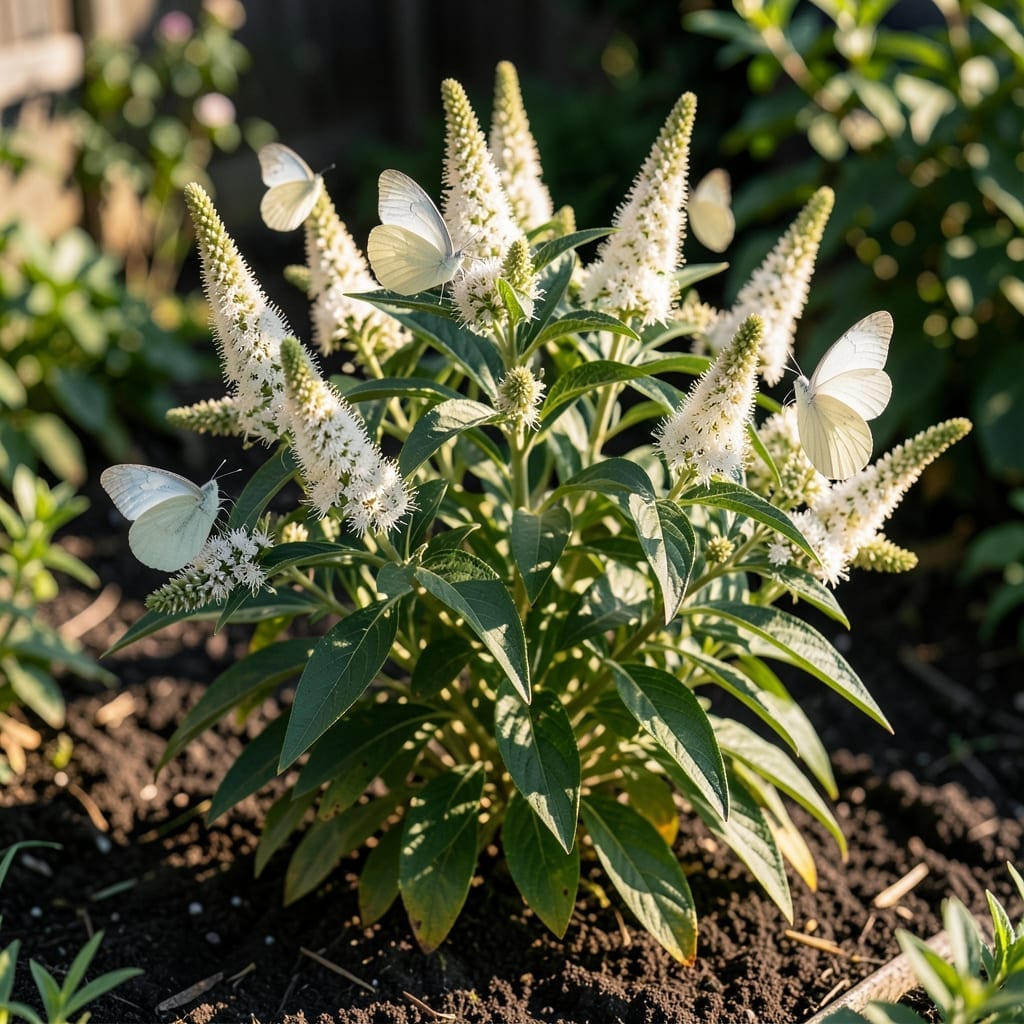
Yes, white butterflies exist and are common in many regions. Species like the Cabbage White and Orange Tip are well-known, often found in gardens and open fields.
These delicate insects play vital roles in pollination and often serve as indicators of a healthy ecosystem. I’ve noticed they’re particularly drawn to mustard plants and cabbage family vegetation, which are their primary host plants. Their presence can transform a simple garden into a thriving habitat for various pollinators. ✨
What fascinates me is their adaptability—they thrive in diverse environments, from wild meadows to urban gardens. 💫
💡 In This Article
The Cabbage White, or Pieris rapae, is one of the most recognizable with its pure white wings and small black spots near the tips. Females often have two spots, while males have one, a subtle but key difference for identification. Their wingspan ranges from 1.3 to 1.9 inches, making them small but easy to spot.
🔥
Orange Tips, or Anthocharis cardamines, stand out with their bright orange tips on the forewings, contrasting against their white background. These butterflies prefer open woodlands and meadows, thriving in areas with plenty of sunlight. Their wingspan is slightly larger, around 1.5 to 2 inches, and their flight is rapid and erratic. ✨
Another notable species is the Large White, or Pieris brassicae, which has a wingspan of up to 2.4 inches. Unlike the Cabbage White, it has more pronounced black markings on its wings. These butterflies are often found in gardens, farmlands, and open spaces where their host plants, like cabbage and Brussels sprouts, grow abundantly. 💫
What makes these species unique is their ability to adapt to various habitats. They’re not just limited to rural areas—urban gardens with the right plants can attract them too. Their presence often indicates a healthy ecosystem, as they are sensitive to environmental changes. 🌟
For instance, the Checkered White, or Pontia protodice, thrives in dry, open areas like deserts and grasslands. Its wings are white with a checkered pattern of black and yellow, and it has a wingspan of 1.4 to 2 inches.
This species is a great example of how white butterflies have evolved to survive in diverse environments. ⚡
Adults feed on nectar from flowers like dill and marigolds. Caterpillars munch on host plants such as cabbage, broccoli, and mustard greens.
They thrive in open, sunny areas like gardens, meadows, and farmlands. Some species, like the Checkered White, even adapt to dry environments such as deserts.
Look for wing patterns and markings. The Cabbage White has small black spots, while the Orange Tip features bright orange wing tips. Size also varies, with wingspans ranging from 1.3 to 2.4 inches.
Their caterpillars can damage crops like cabbage and Brussels sprouts. However, adults help pollinate flowers, balancing their ecological role.
Plant host and nectar-rich flowers in sunny spots. Avoid pesticides and provide shallow water sources. A slightly wild garden encourages their presence.