
Beautiful Plants For Your Interior
Beautiful Plants For Your Interior
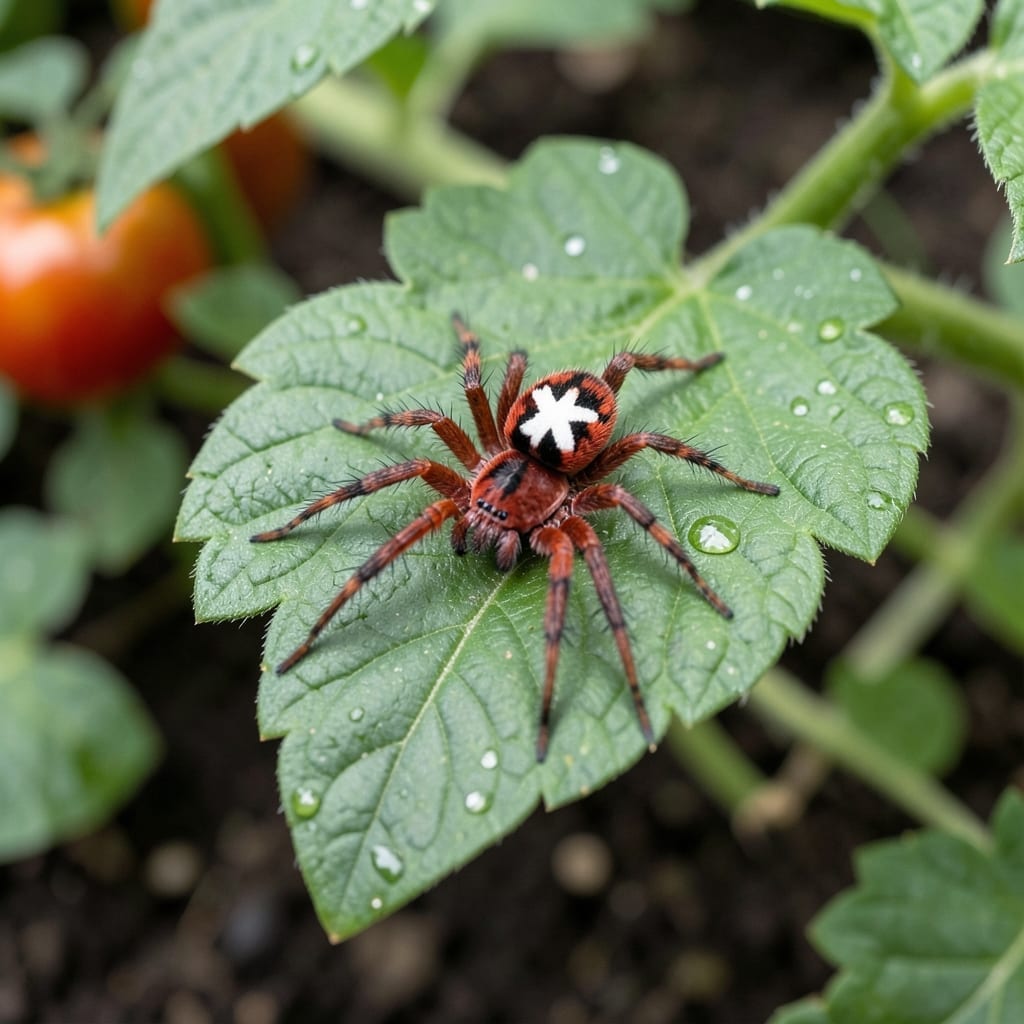
I used to find spider webs in every corner of my garage. 🌿 Then I discovered this natural approach that keeps spaces clean without harsh chemicals.
Most people reach for sprays that smell worse than the problem. The trick is working with nature, not against it—simple ingredients, strategic placement, and consistent application.
You’ll notice fewer webs within 2-3 days and a lasting barrier that deters spiders from returning. No more surprise encounters when grabbing tools.
Works for sheds, porches, and any area where spiders love to set up shop. Here’s the method that actually keeps them away.
Spiders thrive in environments that provide shelter, food, and moisture. Understanding these factors can help you address the root of the problem effectively.
Spiders love dark, undisturbed areas where they can build webs and catch prey. Piles of clutter—like stacks of paper, cardboard boxes, or unused clothing—create ideal hiding spots. Even small gaps behind furniture or in attics can become spider havens. Reducing clutter eliminates their preferred habitats, forcing them to seek shelter elsewhere.
Spiders feed on other insects, so a high population of flies, mosquitoes, or ants in your home can attract them. Leaving food scraps exposed, poor garbage disposal, or standing water can increase insect activity, indirectly inviting spiders. Controlling other pests and maintaining cleanliness disrupts their food supply, making your space less appealing.
Many spider species are drawn to damp environments, such as basements, bathrooms, or crawl spaces. Leaky pipes, poor ventilation, or high humidity levels create the perfect conditions for spiders to thrive. Fixing leaks and using dehumidifiers can significantly reduce their presence by making the environment less hospitable.
Spiders can enter through tiny cracks in walls, gaps under doors, or open windows. Even the smallest openings can serve as entryways. Sealing gaps with caulk, installing door sweeps, and using screens on windows can block their access, preventing infestations before they start.
Dealing with spiders in your home or garden? Here’s how to reclaim your space with simple, effective fixes for every scenario.
Spiders love undisturbed corners. Remove webs weekly with a vacuum or broom to discourage them from rebuilding. Focus on ceiling edges, behind furniture, and under shelves. Prevention tip: Dust and declutter regularly to eliminate hiding spots. 💡
Tiny gaps around windows and doors are open invitations. Use caulk or weather stripping to seal cracks. Install fine mesh screens on vents and open windows. Prevention tip: Check for gaps seasonally, especially in fall when spiders seek warmth. 🎯
Keep spiders away from patios and gardens with peppermint oil, vinegar, or citrus sprays. Mix 10-15 drops of essential oil with water in a spray bottle and apply to entry points. Prevention tip: Plant spider-repelling herbs like lavender, eucalyptus, or mint near doorways. ✨
Cardboard boxes and piles of clothing are spider magnets. Switch to plastic bins with tight lids and keep storage areas dry. Add cedar blocks or sachets of dried citrus peels for extra protection. Prevention tip: Avoid storing items directly on the floor. 🌡️
If DIY methods fail, call a pest control expert. They can identify spider species and use targeted treatments safely. Prevention tip: Schedule annual inspections for long-term peace of mind. 🔥
Reapply every 2-3 weeks or after heavy rain. Essential oils like peppermint evaporate quickly, so consistency is key.
House spiders, cobweb spiders, and cellar spiders are typical. They prefer dark, undisturbed areas like basements and closets.
Yes! Mix equal parts white vinegar and water in a spray bottle. Apply to cracks, windowsills, and corners for an effective barrier.
They’re attracted to food (other insects) and shelter. Address moisture, clutter, and entry points to break the cycle.