
Beautiful Plants For Your Interior
Beautiful Plants For Your Interior
Brussels sprouts attract pests like aphids and cabbage worms faster than you can say “organic harvest.” I lost half my crop one season before discovering neem oil’s protective power—now my plants stay healthy without synthetic chemicals. The difference is night and day: clean leaves, vigorous growth, and sprouts that actually make it to harvest. Timing […]
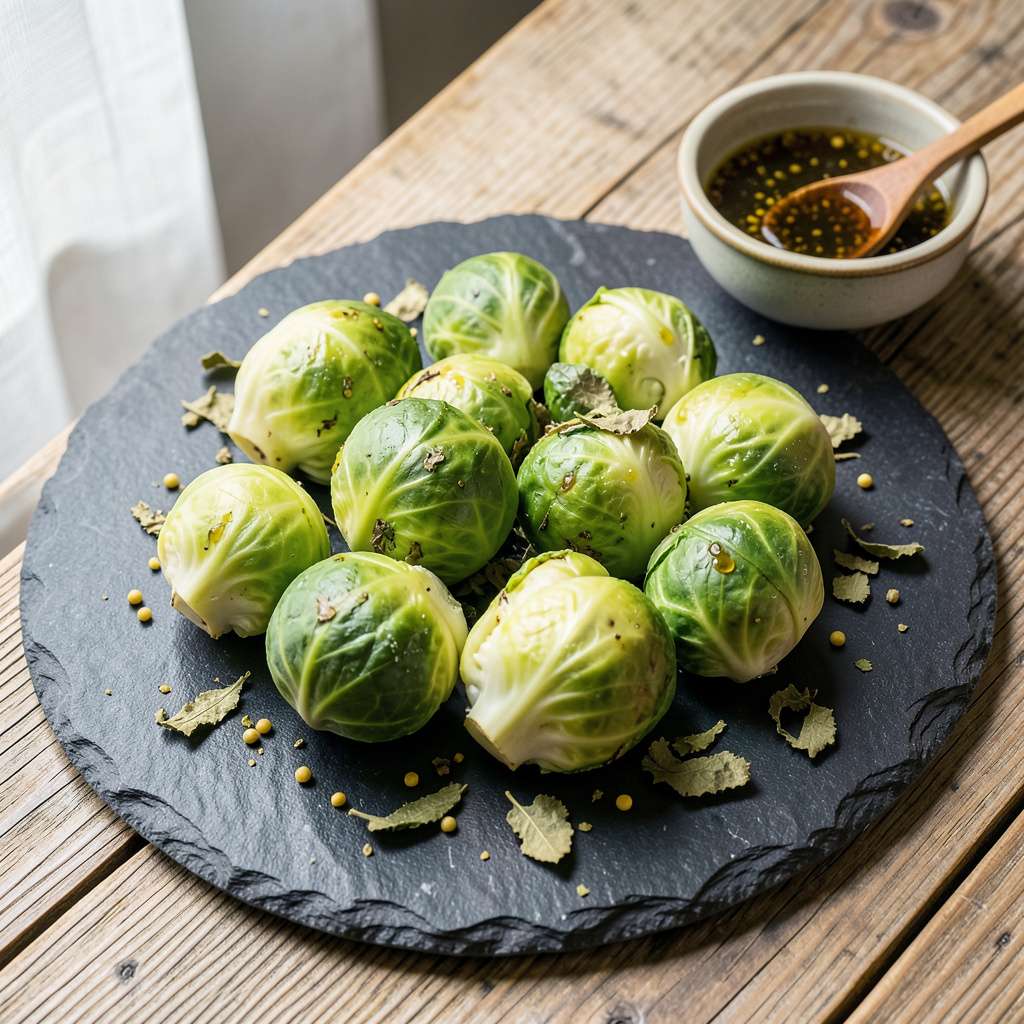
Brussels sprouts attract pests like aphids and cabbage worms faster than you can say “organic harvest.” I lost half my crop one season before discovering neem oil’s protective power—now my plants stay healthy without synthetic chemicals. The difference is night and day: clean leaves, vigorous growth, and sprouts that actually make it to harvest.
Timing matters more than you’d think. Apply neem oil in the early morning or late evening to avoid leaf burn, and always dilute it properly (more isn’t better). I’ve perfected the ratio that protects plants while keeping them thriving—no guesswork required. The key is consistency: a regular schedule keeps pests from ever gaining a foothold.
What you’ll notice first is how the leaves develop that deep green, almost waxy sheen that signals good health. Within 48 hours of your first application, you’ll see fewer chewed edges and no new pest damage. The plants grow stronger, the sprouts form tighter, and you actually get to harvest what you planted.
Works for container gardens, raised beds, or full-scale plots. Whether you’re dealing with early-season aphids or late-summer worms, this method adapts. The best part? You can spray right up until harvest day without worrying about chemical residues on your food.
📚 In This Guide
This method protects your plants naturally while keeping your harvest safe and chemical-free. Here’s how to do it right.
Apply neem oil in the early morning or late evening when temperatures are below 85°F. Direct sunlight combined with neem oil can burn leaves, especially on young plants. I always check the weather first—rain within 24 hours will wash away your effort.
Look for calm conditions with no wind. Even a light breeze can cause uneven coverage or drift the spray onto unintended plants. The best time is right after watering, when leaves are dry but the soil is moist—this helps the oil adhere without stressing the plants.
Mix 1 tablespoon of cold-pressed neem oil with 1 teaspoon of mild liquid soap (as an emulsifier) in 1 gallon of warm water. Shake vigorously in a spray bottle until the mixture looks uniformly cloudy. I use a dedicated garden sprayer with a fine mist setting for even coverage.
Never use hot water—it can degrade the oil’s active compounds. Test the mixture on a single leaf first and wait 24 hours to check for any adverse reaction. Brussels sprouts are generally tolerant, but it’s better to be safe with your first application.
Spray both the upper and lower leaf surfaces until they glisten but aren’t dripping. Pay special attention to the undersides where pests like aphids and cabbage worms hide. I work from the bottom up, letting the spray settle naturally onto lower leaves as I coat the upper foliage.
Cover the stems lightly as well, but avoid saturating the soil. Neem oil works best when it contacts pests directly, so complete coverage is key. You’ll need to reapply every 7-14 days or after heavy rain to maintain protection throughout the growing season.
Check your plants 24-48 hours after application. Healthy leaves should maintain their normal color and texture. If you notice any leaf curling or browning, reduce the concentration by half for your next application. I’ve found Brussels sprouts respond well to consistent, properly diluted treatments.
Watch for pest activity between applications. While neem oil disrupts pest life cycles, it doesn’t kill instantly. You may see reduced damage within 3-5 days as the oil takes full effect. For severe infestations, you might need to apply every 5 days initially, then return to the regular schedule.
Stop neem oil applications at least 2 weeks before harvest. This ensures no residue remains on the edible portions. I mark my calendar when I make the final application to avoid any guesswork. The oil breaks down naturally in sunlight and rain, leaving your sprouts clean and safe to eat.
Wash your harvest thoroughly with cool water before cooking, even though neem oil is non-toxic when used properly. This final step gives me complete confidence in serving my homegrown Brussels sprouts to family and friends, knowing they’re both healthy and pest-free.
After years of protecting our Brussels sprouts naturally, we’ve learned these key lessons that make all the difference.
Timing is Everything: The early morning or late evening application window when temperatures are below 85°F isn’t just a suggestion—it’s critical. I once applied neem oil at noon during a heatwave, and the leaves developed brown spots within hours. Now I always check my weather app for the exact temperature forecast before spraying, and I’ve never had issues since.
Mixing Matters: When preparing your solution with 1 tablespoon of cold-pressed neem oil, 1 teaspoon of mild liquid soap, and 1 gallon of warm water, the order matters. Add the soap to the water first and mix thoroughly before adding the neem oil—this creates a better emulsion. I use a clean stick to stir vigorously for at least 2 minutes until the mixture looks uniformly cloudy, which ensures even coverage when spraying.
Coverage Technique: For complete protection, you need to coat both upper and lower leaf surfaces until they glisten. I use a systematic approach: starting at the base of the plant and working upward, spraying the undersides first (where pests love to hide) before moving to the tops. This method prevents dripping and ensures every surface gets covered without wasting solution.
Monitoring is Key: After application, check your plants within the 24-48 hour window mentioned in Step 4. I keep a garden journal where I note the date of application and any observations. If I see leaf curling, I immediately reduce the concentration by half for the next treatment. This proactive approach has saved many of my Brussels sprout plants from unnecessary stress.
Got questions about using neem oil on your Brussels sprouts? You’re not alone! Here are the most common concerns gardeners ask—plus quick, actionable answers to keep your plants thriving.
Apply neem oil every 7–14 days as a preventive measure, or every 5–7 days if pests (like aphids or cabbage worms) are active. Always spray in the early morning or late evening to avoid leaf burn from sun exposure. Stop applications 2–3 weeks before harvest.
No—neem oil has a residual effect and needs time to break down. Wait at least 1–2 weeks after the last application before harvesting. If you must harvest sooner, wash sprouts thoroughly with water and a vinegar rinse (1:3 ratio) to remove residues.
If pests persist, try insecticidal soap (for soft-bodied bugs) or diatomaceous earth (for crawlers like slugs). For fungal issues, copper fungicide or baking soda sprays (1 tbsp per gallon of water) can help. Rotate methods to prevent resistance!
Yellowing can signal over-application, sun scorch (if sprayed midday), or oil clogging pores. Pest Control Solution”>Dilute neem oil properly (1–2 tbsp per gallon of water + 1 tsp mild soap as an emulsifier). Test-spray a small area first and avoid treating stressed plants.
Yes! Neem oil is OMRI-listed for organic gardening, but check your certifier’s rules if selling commercially. Avoid synthetic additives in your spray mix. For strict organic standards, use cold-pressed neem oil and pair it with companion plants like marigolds for extra pest control.
Neem oil is a game-changer for protecting your Brussels sprouts naturally—keeping pests at bay while promoting Healthy Growth“>lush, healthy growth. 🌱 With the right application and timing, you can enjoy a bountiful harvest without harsh chemicals.
Ready to give it a try? Start with a small test patch this week, and observe how your plants respond. Happy gardening—your future Brussels sprouts will thank you! 🥬✨
