
Beautiful Plants For Your Interior
Beautiful Plants For Your Interior
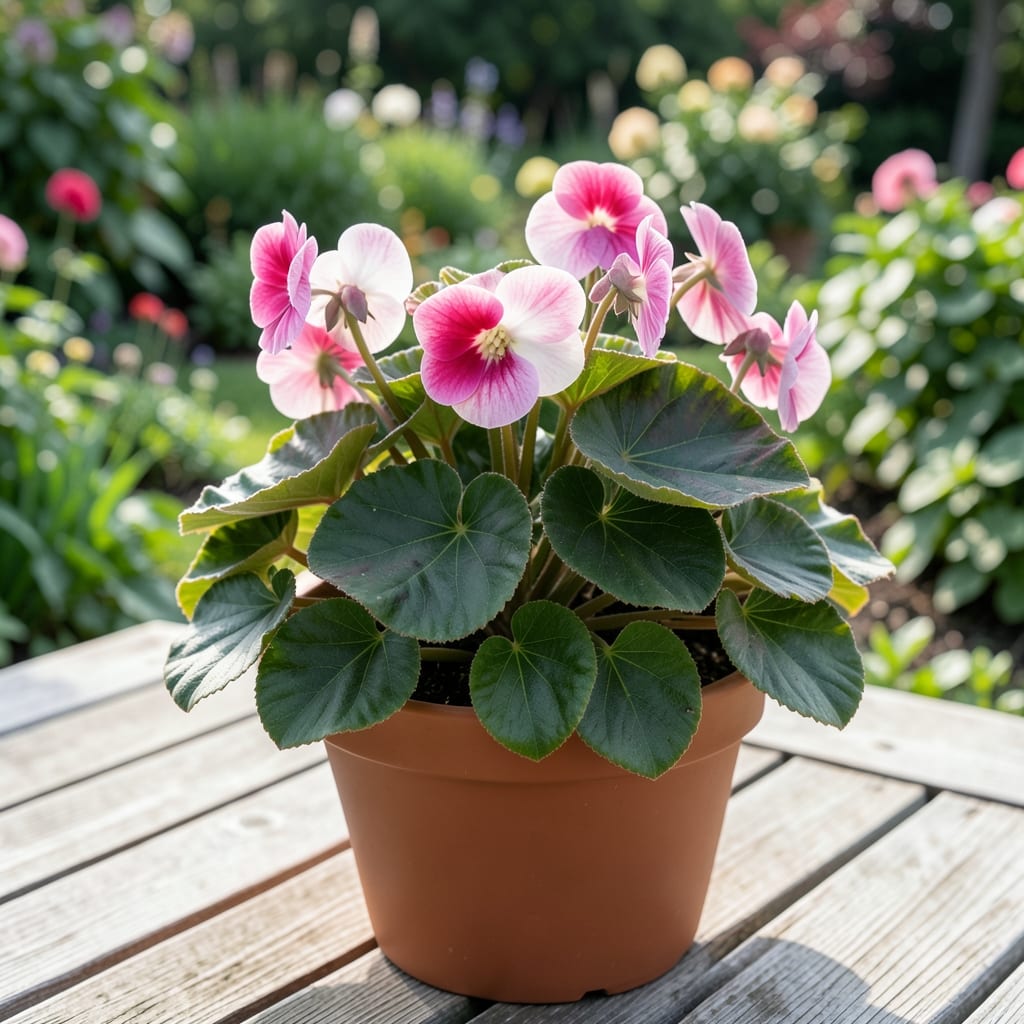
Begonias are not fully hardy and typically cannot survive frost. Most varieties thrive in USDA zones 9-11, while others must be grown as annuals or overwintered indoors in colder climates.
I’ve learned through experience that these plants wilt quickly when temperatures dip below 50°F. Their tropical origins mean they lack natural defenses against cold snaps. 🔥 Gardeners in cooler regions often treat them as seasonal plants, digging up tubers before winter or moving potted varieties inside to maintain their vibrant blooms year after year.
💡 In This Article
The tropical origins of begonias explain their poor cold tolerance. These plants evolved in warm, humid climates with temperatures consistently above 60°F, leaving them ill-equipped to handle frost. Their cell structures lack the anti-freeze proteins found in hardy plants, making them susceptible to cold damage at even 50°F. 🔥
Among begonia types, tuberous begonias show the most cold sensitivity, often dying back completely at the first frost. Fibrous-rooted varieties like wax begonias tolerate slightly cooler temps down to 45°F, while rhizomatous types can survive brief cold snaps if properly mulched. This variation comes from differences in their native habitats and root structures.
USDA zone ratings reveal the limits: most begonias thrive only in zones 9-11, where winter lows stay above 25°F. In zone 8, they may survive mild winters with protection, but zone 7 and below typically require indoor overwintering. The Hardy Begonia (B. grandis) is the exception, surviving down to 20°F in zone 6. ✨
The science behind this vulnerability lies in their high water content. Begonia leaves and stems contain up to 90% water, which freezes and expands at 32°F, rupturing cell walls. This is why even light frosts cause immediate wilting and blackening of foliage, often followed by plant death if exposure continues.
Gardeners in cooler climates can extend the growing season by 2-3 months using protective measures. Row covers, cloches, or moving containers to sheltered locations when nighttime temps drop below 55°F can prevent early damage. However, these are temporary solutions—the plants must come indoors before hard freezes. 💫
For comparison, cold-hardy plants like hostas contain sugars and proteins that act as natural antifreeze. Begonias produce none of these compounds, which is why their cold tolerance remains consistently low across nearly all varieties. This fundamental biological difference separates them from true perennials in temperate climates.
Most begonias suffer damage at 50°F and die at 32°F. Only Hardy Begonia (B. grandis) tolerates down to 20°F in zone 6.
No, potted begonias must come indoors before frost. Move them to a sunny spot with temps above 55°F to prevent cold shock. Water sparingly during dormancy.
Dig up tubers before frost, dry for 1-2 weeks, then store in a cool 50-60°F location. Check monthly for rot or shriveled tubers.
Hardy Begonia (B. grandis) is the most cold-tolerant, surviving zone 6 winters. Other types need protection or indoor storage below zone 9.