
Beautiful Plants For Your Interior
Beautiful Plants For Your Interior
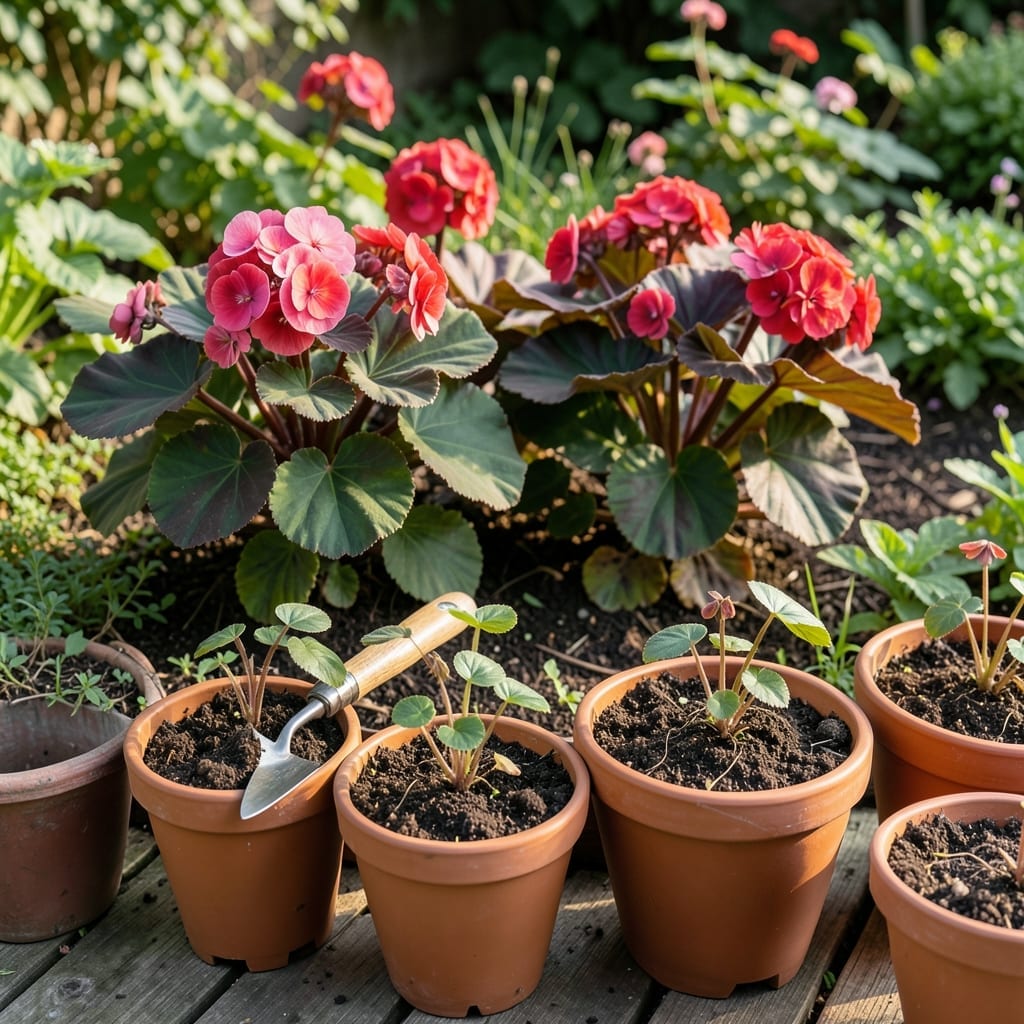
Timing is everything when planting Begonias in pots—plant too early, and a late frost can wipe out your vibrant blooms before they even begin. Discover the perfect window to ensure your potted 🌸 Begonia thrive with lush foliage and abundant flowers all season long.
I learned this the hard way when my first attempt at container gardening ended in disappointment. The difference between success and failure often comes down to just a few weeks of timing.
For most gardeners in zone 6, the sweet spot arrives in spring when the danger of frost has passed. This is when your Begonia will establish strong roots and take off.
Let me walk you through the key seasonal factors that will make or break your container garden this year. You’ll be amazed at how much this timing impacts your results.
Timing your begonia planting perfectly ensures vibrant, healthy blooms. I always check the last frost date in my area before starting, as begonias are frost-sensitive and thrive in warm soil. For most regions, this means waiting until spring temperatures stabilize above 50°F at night. 🌱
Different USDA hardiness zones have varying ideal windows. In warmer zones (9-11), you can plant as early as March, while cooler zones (3-5) should wait until May or June. I’ve found that tuberous begonias need soil temps of at least 60°F to sprout reliably. 🌿
| Zone | Planting Window | Soil Temp |
|---|---|---|
| 3-4 | Mid-May to June | 60°F+ |
| 5-6 | Late April to May | 55°F+ |
| 7-8 | March to April | 50°F+ |
| 9-11 | February to March | 45°F+ |
For tuberous begonias, I recommend starting tubers indoors 4-6 weeks before your last frost date. This gives them a head start. Fibrous and rex begonias can go directly into pots once outdoor conditions are safe. Always use well-draining soil to prevent rot. ✂️
If you’re in a region with unpredictable springs, like the Midwest, I suggest waiting until all danger of frost has passed. A sudden cold snap can set back or kill young begonias. I learned this the hard way one year when an unexpected late April frost damaged my early plantings. 🌡️
Rex begonias, known for their stunning foliage, prefer consistent warmth and should never be exposed to temps below 50°F. I keep mine in shaded patios until nighttime temps are reliably above this threshold. Their delicate leaves are the first to show cold stress. 🌿
In coastal areas with mild winters, you might get away with year-round planting, but I still recommend avoiding the coldest months. Even in Zone 10, a rare cold front can drop temps low enough to harm begonias. Always have a backup plan like moving pots indoors. 🪴
For container gardening, remember that pots can heat up faster than ground soil. I use light-colored containers to reflect heat and prevent root scorching. This is especially important in Zone 7 and above, where summer temps can soar. ☀️
If you’re eager to start early, consider greenhouse planting or a cold frame. These structures let me begin my begonia season 2-3 weeks earlier than outdoor planting. Just be sure to harden off seedlings before moving them to their final pots. 🌱
Finally, always monitor local weather forecasts. I’ve found that 10-day outlooks are reliable for planning my planting schedule. If a cold week is predicted, I’ll delay planting or provide temporary protection with frost cloths. This extra caution has saved my begonias more than once. 🌿
Planting begonias in pots starts with selecting the right container. I always choose pots with drainage holes to prevent waterlogged roots. A 12-inch diameter pot works well for most varieties, giving roots room to grow without drowning. 🌱
Next, focus on your soil mix. I use a blend of peaty potting soil with added perlite or vermiculite for better drainage. Begonias hate soggy soil, so this mix keeps them happy while retaining just enough moisture. 🌿
For tuberous begonias, I plant the tubers hollow side up, barely covering them with soil. They need warmth to sprout, so I keep pots in a sunny indoor spot until danger of frost passes. Once outdoors, I move them to bright, indirect light. ✂️
Fibrous and rex begonias are easier to plant from nursery starts. I dig a hole just large enough for the root ball, then water deeply after planting. These varieties prefer consistent moisture but will rot if overwatered. 🌡️
After planting, I mulch lightly with organic material to retain moisture. This also helps regulate soil temperature, which is crucial for root establishment. I avoid heavy mulches that can smother young plants. 🪴
Finally, I fertilize lightly after the first true leaves appear. A balanced liquid fertilizer diluted to half strength works well. I repeat this every 2-3 weeks during the growing season for lush, healthy begonias. ☀️