
Beautiful Plants For Your Interior
Beautiful Plants For Your Interior
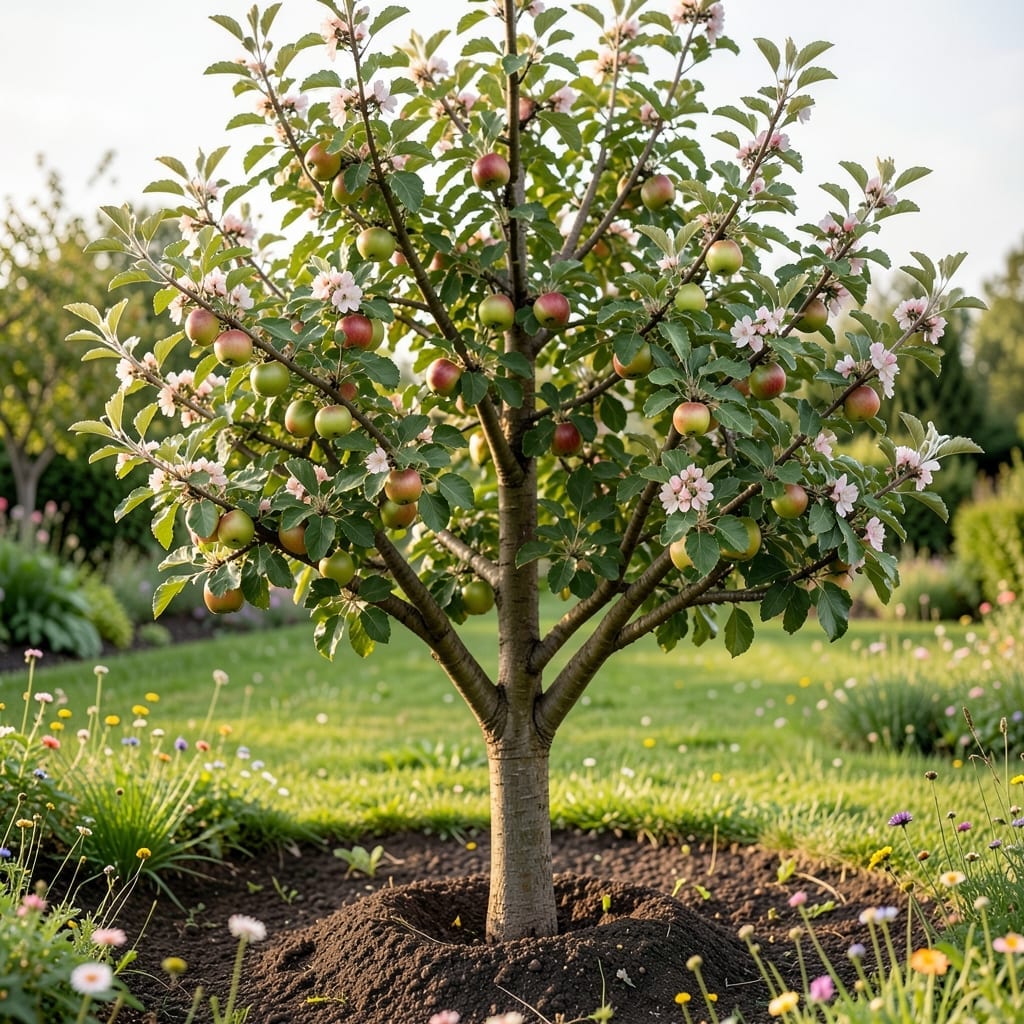
Tiny apples on your tree? I’ve been there—picking fruit no bigger than a golf ball when you expected baseballs. The fix starts with understanding why it’s happening.
Most times, it’s not the tree’s fault. Poor pollination, crowded branches, or nutrients going to too many apples cause the problem. A little strategic pruning changes everything.
With the right cuts at the right time, you redirect energy to fewer, larger fruits. My trees went from disappointing to neighbor-envy levels in one season.
Here’s the thing—this works for any apple variety, any age tree. The solution is simpler than you think.
Several factors can cause your apple tree to produce undersized fruit. Understanding these root causes helps you take targeted action.
Apples require cross-pollination from compatible varieties. If bees or other pollinators are scarce, or if nearby trees bloom at different times, fertilization may be incomplete. This leads to fewer seeds developing inside the fruit, which directly limits its size. Action: Plant pollinator-friendly flowers nearby or introduce a second, compatible apple variety.
Nitrogen, phosphorus, and potassium are critical for fruit development. A lack of potassium, in particular, often results in small, poorly colored apples. Soil tests can reveal imbalances. Action: Apply a balanced fertilizer (e.g., 10-10-10) in early spring, or use organic amendments like compost or bone meal for phosphorus.
Too many fruits competing for limited resources stunts growth. Apple trees naturally produce more blossoms than they can support, leading to fruit thinning needs. Without pruning or manual thinning, energy is spread too thin. Action: Thin young fruit to one per spur when they’re the size of a marble, leaving 6–8 inches between clusters.
Apples need full sun (6+ hours daily) to photosynthesize effectively. Shaded trees produce smaller, less sweet fruit. Action: Prune to open the canopy, or relocate potted trees to sunnier spots. Avoid planting near large structures or dense foliage.
Water stress during fruit expansion (typically 3–6 weeks after blossoming) halts growth. High temperatures can also accelerate ripening before apples reach full size. Action: Maintain consistent moisture with deep watering (1–2 inches weekly) and mulch to retain soil humidity.
If your apple tree is producing tiny fruit, don’t worry—there are practical fixes to boost their size. Below are targeted solutions for common causes, along with prevention tips to keep your harvest abundant.
Too many branches compete for nutrients, stunting fruit growth. Thin out crowded limbs in late winter to improve airflow and redirect energy to fewer, larger apples. Remove dead, diseased, or inward-growing branches first. Aim for a balanced, open canopy.
Prevention: Prune annually and space new trees at least 10–15 feet apart.
An overloaded tree produces small apples. Thin fruitlets when they’re marble-sized, leaving 6–8 inches between clusters. This ensures remaining apples grow larger and healthier. Use sharp scissors or your fingers to gently remove extras.
Prevention: Thin every year, even if the tree looks sparse—it pays off at harvest.
Lack of nitrogen, phosphorus, or potassium can shrink fruit size. Test your soil and amend with a balanced fertilizer (e.g., 10-10-10) in early spring. Organic options like compost or aged manure also work well. Avoid over-fertilizing, which can spur leafy growth at the expense of fruit.
Prevention: Feed trees annually and mulch with organic matter to retain moisture and nutrients.
Inconsistent watering leads to small, tough apples. Deep-water trees 1–2 times weekly during dry spells, especially from bloom to harvest. Drip irrigation or soaker hoses deliver water directly to roots without wetting foliage.
Prevention: Mulch heavily to retain moisture and reduce evaporation.
With these adjustments, your apple tree will focus its energy on producing bigger, juicier fruit next season. 💡 Pro tip: Track changes in a garden journal to fine-tune your approach over time!
Thin when apples are marble-sized, about 3-4 weeks after bloom. Leave 6-8 inches between clusters for best results.
Yes, removing more than 25% of branches at once can stress it. Stick to light, annual pruning instead.
Check for misshapen or lopsided apples. If most are small and irregular, poor pollination is likely the cause.
Use a balanced 10-10-10 in spring, or organic options like compost. Avoid high-nitrogen mixes late in the season.