
Beautiful Plants For Your Interior
Beautiful Plants For Your Interior
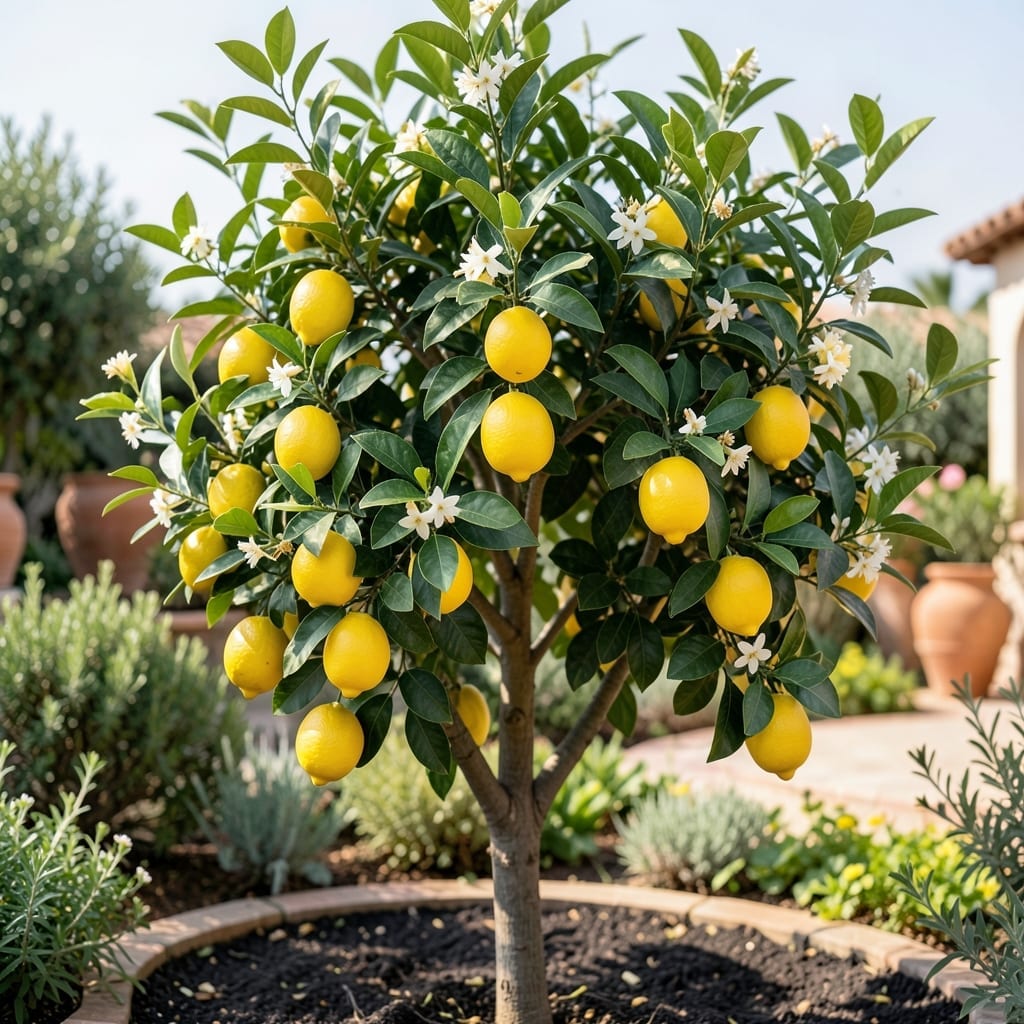
Lemon trees thrive with the right sunlight, but does that mean they absolutely require full sun to produce juicy, abundant fruit? The answer might surprise you—especially if you’re working with limited space or shady conditions.
I’ve seen 🍋 Lemon Trees flourish in various light scenarios, and the key isn’t just intensity—it’s consistency. Whether you’re in zones 9-11 or trying your hand at container growing, understanding their needs can make all the difference.
Discover how to give your tree the best start, even if your yard isn’t bathed in sunlight all day. The right approach might be simpler than you think.

If you’re wondering does a lemon tree need full sun, the short answer is yes—for optimal growth and fruit production. These citrus trees are sun-worshippers, thriving with 6-8+ hours of direct sunlight daily.
In my experience, 🍋 lemon trees in full sun develop denser foliage and produce more abundant fruit. However, they can tolerate partial shade, though with some trade-offs in yield and vigor.
| Requirement | Specification |
|---|---|
| Ideal Sunlight | 6-8+ hours daily |
| Minimum Sunlight | 4-6 hours daily |
| Light Type | Direct sunlight |
| Shade Tolerance | Low to moderate |
| Best Window Direction | South-facing |
In USDA zones 9-11, where lemon trees grow best, full sun exposure is ideal. The intensity of sunlight directly impacts fruit quality and tree health. Less sun often means smaller lemons and slower growth.
For gardeners in cooler climates, microclimates can help. A south-facing wall or reflective surfaces can boost sunlight exposure. I’ve seen container-grown lemons thrive on sunny patios with proper care.
Morning sun is particularly beneficial as it dries dew quickly, reducing fungal disease risk. If your tree gets afternoon shade, ensure it still receives 6+ hours of direct light overall.
In partial shade, lemon trees may grow taller as they stretch for light, but fruit production will likely be reduced. This is especially true for standard varieties like Eureka or Lisbon.
Dwarf varieties, such as Meyer lemon, are slightly more shade-tolerant. They can produce decent yields with 4-6 hours of sun, but full sun still maximizes their potential.
Regional light variations matter too. In desert climates, afternoon shade can prevent sunburn on fruit. In coastal areas, morning fog might reduce effective sunlight hours.
To maximize light exposure, prune nearby trees or adjust planting location. I always recommend observing sunlight patterns in your yard before planting. A sunlight calculator app can be a handy tool for this.
Remember, while lemon trees can survive in partial shade, they won’t thrive like they do in full sun. For the best results, aim for that golden 6-8 hour range of direct sunlight daily.
☀️While lemon trees prefer full sun, they can adapt to partial shade. I’ve successfully grown Meyer lemons in spots with 4-6 hours of sunlight daily, though fruit yield was noticeably less abundant.
For indoor growing, grow lights become essential. I recommend 12-16 hours of artificial light daily to mimic natural conditions. South-facing windows can work but often need supplementation.
In shady outdoor areas, reflective mulches or white walls can help bounce light to your tree. I’ve used aluminum foil on cardboard as a DIY light reflector with decent results.
For container-grown lemons, move pots to sunnier spots as the sun shifts. A dolly base makes this easier. I move my potted Meyer lemon 3-4 times a day in summer.
Humidity matters indoors. Lemon trees prefer 40-50% humidity. I use a pebble tray with water to create a microclimate around my indoor tree.
Remember, even shade-tolerant varieties won’t produce as well as in full sun. But with proper care and light management, you can still enjoy homegrown lemons. 🌿