
Beautiful Plants For Your Interior
Beautiful Plants For Your Interior
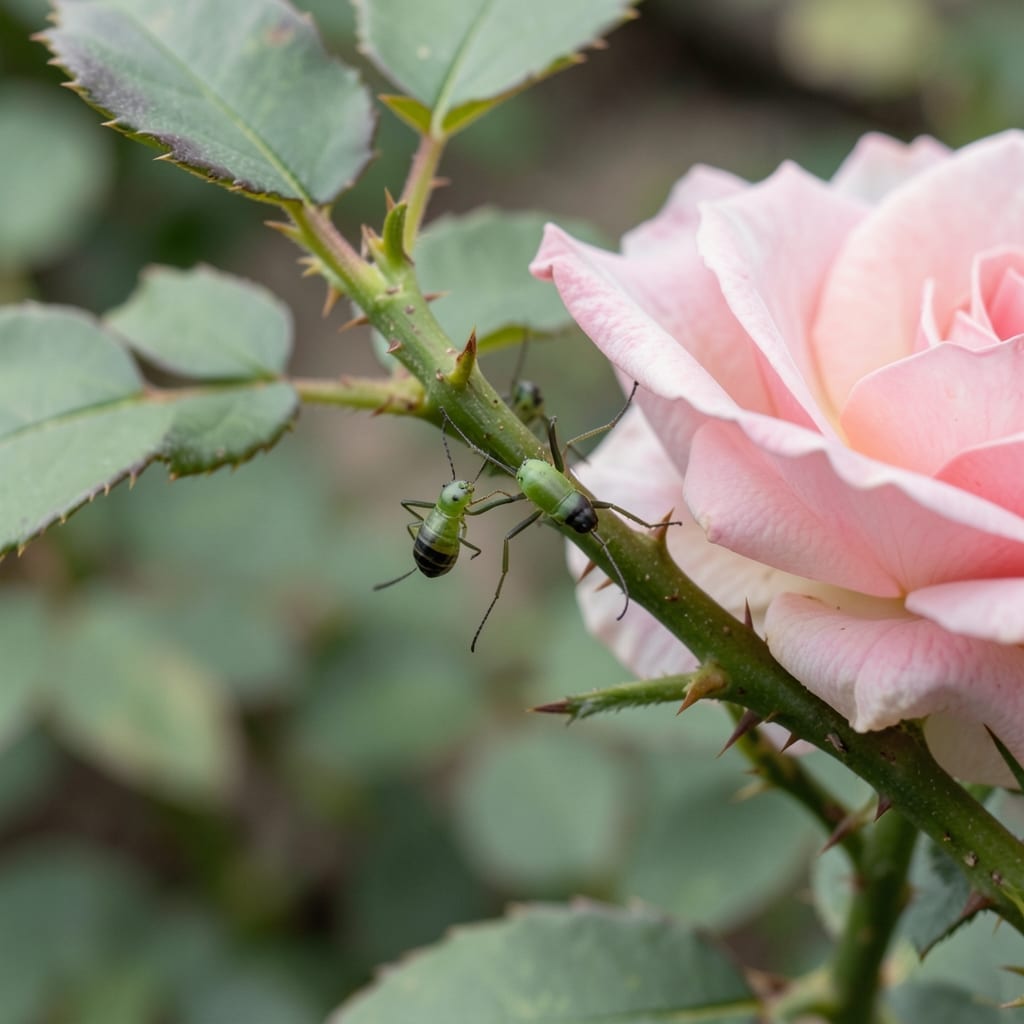
Tiny green invaders can turn your prize roses into a sad, sticky mess. I’ve battled aphids on my bushes for years, and the organic solutions actually work better than harsh chemicals in the long run.
These pests appear when roses are stressed—often from over-fertilizing or drought. A strong blast of water knocks them off temporarily, but the real fix is encouraging their natural predators like ladybugs and lacewings.
A simple homemade spray with neem oil or insecticidal soap targets aphids without harming beneficial insects. Apply in the early morning or evening for the best results and reapply after rain.
Prevention is simpler than cure: keep your roses healthy, monitor new growth, and act at the first sign of trouble. Your blooms will thank you with vibrant color and stronger growth.
Aphids target rose bushes for several biological and environmental reasons. Understanding these causes helps you prevent infestations and protect your blooms. Below are the primary factors:
Excess nitrogen promotes soft, tender new growth on roses—aphids’ favorite food. These pests are drawn to the high sap content in rapidly growing shoots. Reduce nitrogen-heavy fertilizers and switch to balanced or phosphorus-rich options to toughen plant tissue.
Overhead watering wets foliage, creating a humid environment that aphids thrive in. It also washes away natural predators like ladybugs. Water at the base of the plant early in the day to keep leaves dry and discourage aphid settlement.
Roses in isolated or pesticide-heavy gardens often lack beneficial insects (e.g., lacewings, parasitic wasps) that control aphid populations. Avoid broad-spectrum insecticides and plant companion flowers like marigolds or yarrow to attract aphid-eating allies.
Aphids reproduce rapidly in temperatures between 60–80°F (15–27°C). Spring and early summer are peak times for infestations. Monitor roses closely during these periods and act at the first sign of clustering aphids.
By addressing these root causes, you can make your rose bushes far less appealing to aphids naturally.
Tackling aphids on your roses doesn’t have to be a battle. Here’s how to reclaim your garden with simple, effective fixes for every scenario.
For small clusters, a strong spray of water from your hose can knock aphids off the plant. Do this early in the day so leaves dry quickly, reducing the risk of fungal issues. Repeat every few days until they’re gone.
Encourage ladybugs, lacewings, and hoverflies—aphids’ natural enemies—by planting companion flowers like marigolds, yarrow, or dill nearby. Avoid broad-spectrum pesticides, which harm these beneficial insects. Pro tip 💡: Purchase ladybugs from garden centers for an instant defense boost.
Mix 1 quart of water, 1 teaspoon of mild liquid soap, and 1 teaspoon of neem oil. Spray directly on aphids, focusing on the undersides of leaves where they hide. Reapply every 5–7 days or after rain. ✨ Bonus: Neem oil also deters future pests.
Aphids target stressed roses. Fertilize regularly with a balanced organic rose food, and ensure your bushes get 6+ hours of sunlight daily. Prune overcrowded branches to improve airflow, making it harder for aphids to settle.
🎯 Remember: Consistency is key—aphids reproduce rapidly, so act fast and stick to your routine for a thriving, aphid-free rose garden.
Apply organic sprays like neem oil every 5–7 days until the infestation clears. Reapply after rain or heavy watering for consistent protection.
Soft new growth from over-fertilizing and warm 60–80°F weather draw them in. Poor airflow and lack of predators also encourage their spread.
Yes! A single ladybug can eat 50+ aphids daily. Plant marigolds or dill to attract them naturally to your garden.
Mild liquid soap mixed with water works as a contact spray. Use 1 teaspoon per quart and target leaf undersides for best results.