
Beautiful Plants For Your Interior
Beautiful Plants For Your Interior
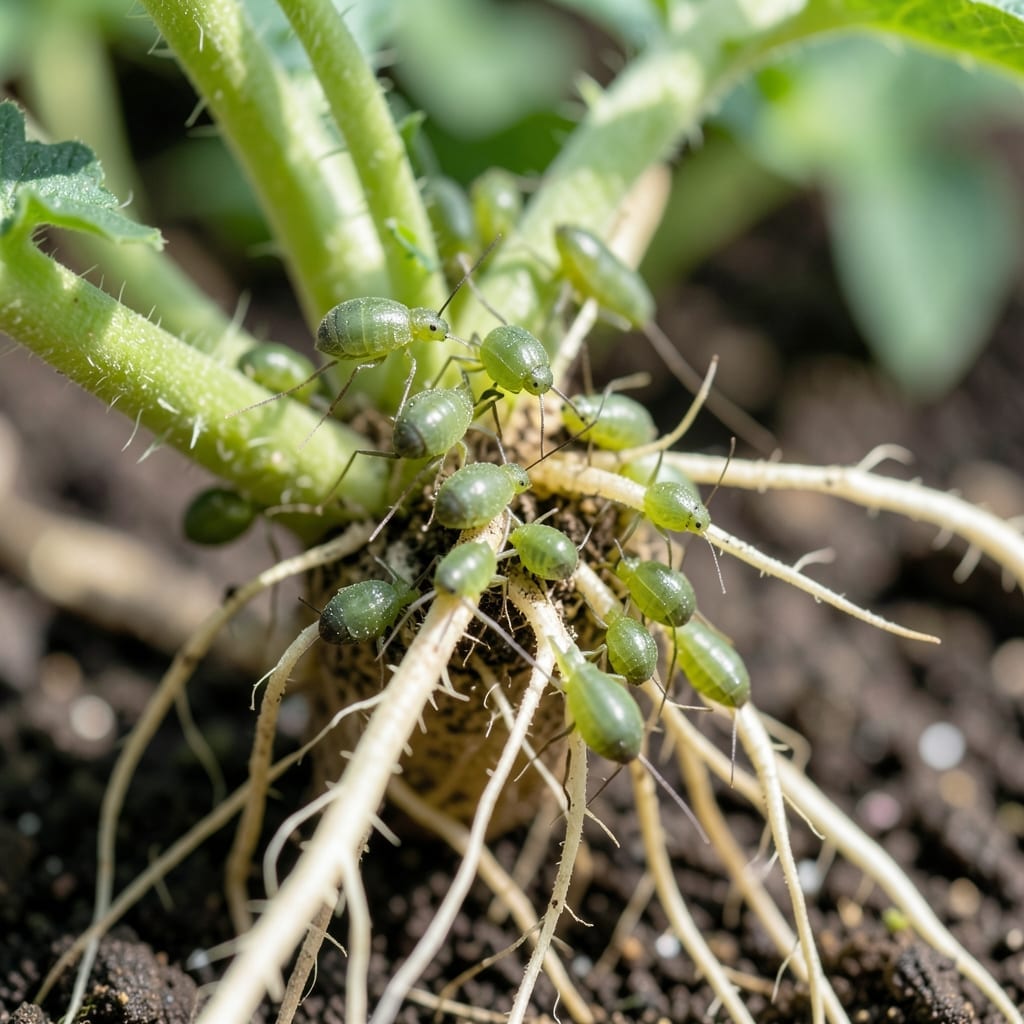
I nearly lost my entire herb garden to them last spring. Aphids on roots drain plants from the ground up, often going unnoticed until leaves yellow and growth stalls.
Here’s the thing—they thrive in damp, undisturbed soil. I spotted them first during repotting: tiny pale bugs clinging to roots. Organic solutions work best, but timing matters more than the method.
Healthy plants recover quickly once treated. You’ll see new growth within 7-10 days and full vigor returns in 2-3 weeks with consistent care.
Works for potted plants, raised beds, or in-ground gardens. This approach stops the cycle before it starts.
Root aphids thrive in specific conditions, often exploiting weaknesses in plant health or environmental factors. Understanding these triggers helps prevent and manage infestations effectively.
Excess moisture in soil creates an ideal breeding ground for root aphids. Saturated conditions weaken plant roots, making them more vulnerable to attack. Poor drainage exacerbates the problem by trapping water and reducing oxygen levels, which stresses the plant and attracts aphids.
Plants with high nitrogen levels or deficiencies in key nutrients like potassium and phosphorus are more susceptible. Aphids are drawn to soft, new growth spurred by nitrogen-rich fertilizers. Conversely, nutrient-poor soil weakens plant defenses, leaving roots exposed to infestation.
Root aphids often hitchhike on infested soil, compost, or potting mix. Using unsterilized media introduces pests directly to the root zone. This is especially common in greenhouse settings or reused growing containers where previous infestations linger.
Healthy soil teems with beneficial microbes that suppress aphid populations. When microbial diversity is low, root aphids face little competition or predation. Overuse of chemical pesticides can disrupt this balance, paving the way for aphid dominance.
Root aphids proliferate in warm, humid conditions (70–80°F with high moisture). These climate factors accelerate their reproductive cycles. Conversely, dry or overly cold soil can stress plants, making roots more appealing targets for aphids seeking shelter and sustenance.
Root-feeding aphids can be stubborn, but these targeted fixes will help you regain control and protect your plants.
Soggy soil creates the perfect breeding ground for aphids. Fix it by amending heavy or clay-rich soil with organic matter like compost or sand to boost drainage. Switch to a watering routine that lets the top inch of soil dry out between sessions. For potted plants, ensure containers have drainage holes.
Aphids target vulnerable roots, so boost plant resilience with balanced organic fertilizers or compost tea. Avoid over-fertilizing with nitrogen, which can attract aphids. Mulch around the base of plants with straw or wood chips to retain moisture and suppress weeds that may harbor pests.
Introduce beneficial insects like ladybugs, larvae of lacewings, or parasitic wasps to prey on aphids. For immediate action, apply neem oil or insecticidal soap directly to the soil, focusing on the root zone. Reapply every 5–7 days until the infestation clears.
Look for wilting, yellowing leaves, or stunted growth despite proper care. Gently remove the plant from its pot to inspect roots for tiny white, green, or gray bugs. They often cluster near root tips or in soil crevices.
It’s risky. Solarize the soil by baking it at 180°F for 30 minutes to kill pests, or replace it entirely. Never reuse soil without treatment, as eggs and nymphs can survive and reinfect new plants.
Drench the soil with a neem oil or insecticidal soap solution, repeating every 5-7 days for 2-3 weeks. For severe cases, remove and destroy heavily infested plants to prevent spread.
Yes, they can move through soil or on tools and hands. Isolate affected plants immediately and avoid sharing gardening tools until the infestation is resolved. Clean pots and tools with soapy water.