
Beautiful Plants For Your Interior
Beautiful Plants For Your Interior
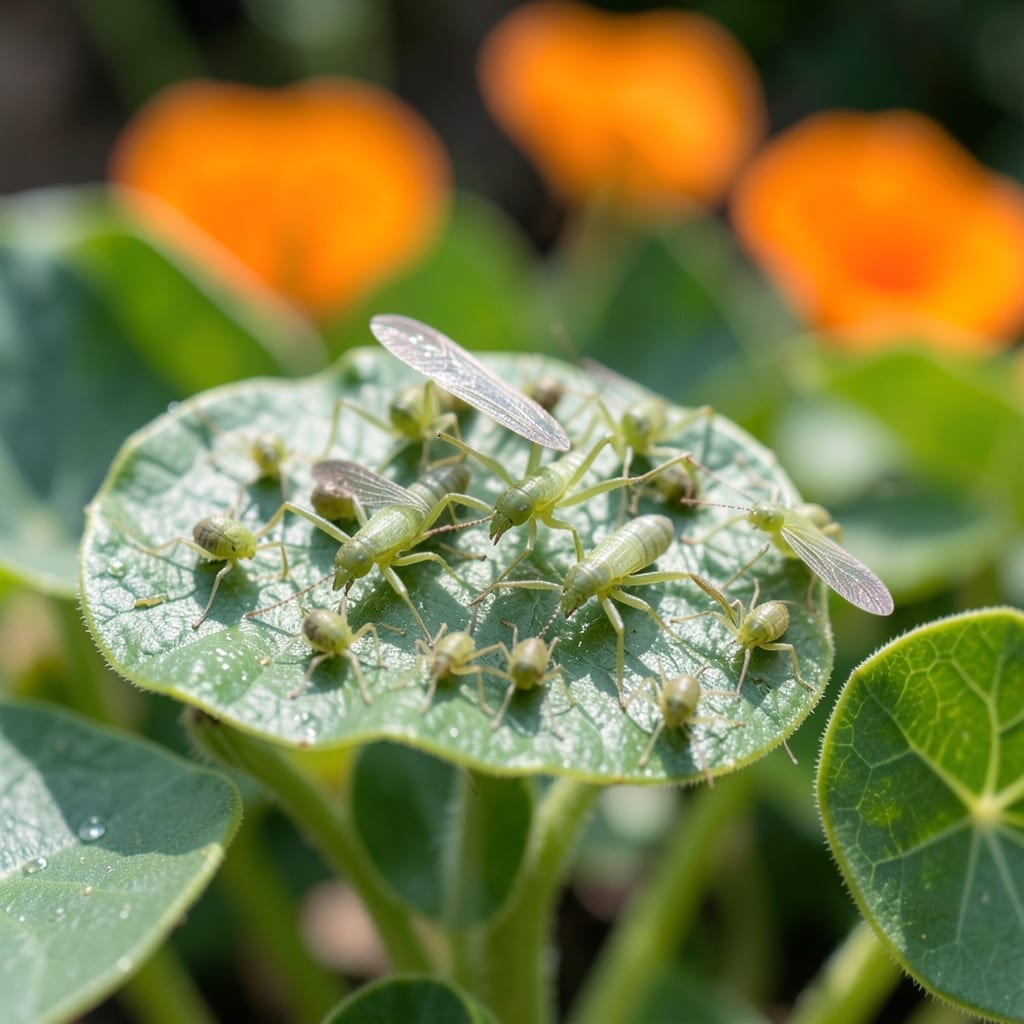
Tiny green invaders on your nasturtium leaves? I’ve been there. These pests cluster on new growth, turning vibrant foliage into a sticky, curled mess overnight.
The good news? Nasturtiums are tough, and aphids are easy to beat without chemicals. A strong blast of water or soapy spray knocks them off fast, and ladybugs will finish the job for you.
After treatment, your plants bounce back with brighter blooms and healthier leaves. The key is catching them early—before they multiply and spread to the rest of your garden.
Works for edible gardens too, since nasturtiums are as tasty as they are beautiful. Here’s how to reclaim your plants.
Aphids flock to nasturtiums for several biological and environmental reasons. These tiny pests are drawn to the plant’s sap, which is rich in sugars and amino acids—essential nutrients for their rapid reproduction. Below, we break down the primary causes behind their infestation.
Nasturtiums produce an abundance of soft, nutrient-dense sap, especially in new growth and flower buds. Aphids, equipped with piercing mouthparts, easily tap into this resource. The plant’s high nitrogen content (a common fertilizer component) further sweetens the deal, accelerating aphid colony growth.
Aphids thrive in mild to warm temperatures (60–80°F) with low humidity. Nasturtiums, often grown in full sun, create an ideal microclimate for these pests. Drought-stressed plants also produce more amino acids in their sap, making them even more attractive to aphids.
Without natural enemies like ladybugs, lacewings, or parasitic wasps, aphid populations explode. Monoculture gardens or those heavy on pesticides often lack these beneficial insects, giving aphids free rein. Nasturtiums, while great companion plants, can become aphid magnets if predator populations aren’t supported.
Excessive nitrogen-heavy fertilizers promote lush, soft growth—aphids’ favorite kind. Nasturtiums fertilized too frequently or with imbalanced nutrients grow tender leaves that aphids find irresistible. Switching to a balanced or phosphorus-rich fertilizer can reduce this appeal.
Tackling aphids on your nasturtiums doesn’t have to be a battle. With a few simple, natural solutions, you can restore your plants to their vibrant, pest-free glory. Here’s how to address each common cause and keep those pesky aphids at bay.
If your nasturtiums are packed too closely, poor air circulation creates a haven for aphids. Thin out dense growth by trimming back some stems, and ensure plants are spaced at least 12–18 inches apart. This boosts airflow and reduces hiding spots for pests.
Aphids love soft, new growth spurred by excess water. Water at the base of the plant in the early morning, allowing the soil to dry slightly between waterings. Use a soaker hose or drip irrigation to keep foliage dry and less appealing to aphids.
Encourage natural aphid hunters like ladybugs, lacewings, and hoverflies. Plant companion flowers such as marigolds, alyssum, or dill nearby to attract them. Avoid pesticides, which can harm these helpful insects.
Pro tip 💡: Purchase ladybugs from a garden center and release them at dusk for the best results.
For a quick fix, mix 1 tablespoon of mild liquid soap with 1 quart of water and spray directly on aphids. Neem oil (diluted per package instructions) also disrupts their lifecycle. Apply in the evening to avoid harming pollinators, and reapply after rain.
With these steps, your nasturtiums will bounce back—stronger, healthier, and aphid-free!
No, they rarely cause lasting damage if treated promptly. Nasturtiums are resilient and recover quickly once aphids are removed.
They return if their food source (sap) remains abundant or predators are absent. Reduce nitrogen-heavy fertilizers and attract beneficial insects like ladybugs.
Yes, a 1:3 vinegar-water mix can kill them on contact. Test on a small area first, as vinegar may harm some plants. Apply in the evening.
Inspect leaves, especially undersides, 2-3 times weekly during warm months. Early detection prevents large infestations.