
Beautiful Plants For Your Interior
Beautiful Plants For Your Interior
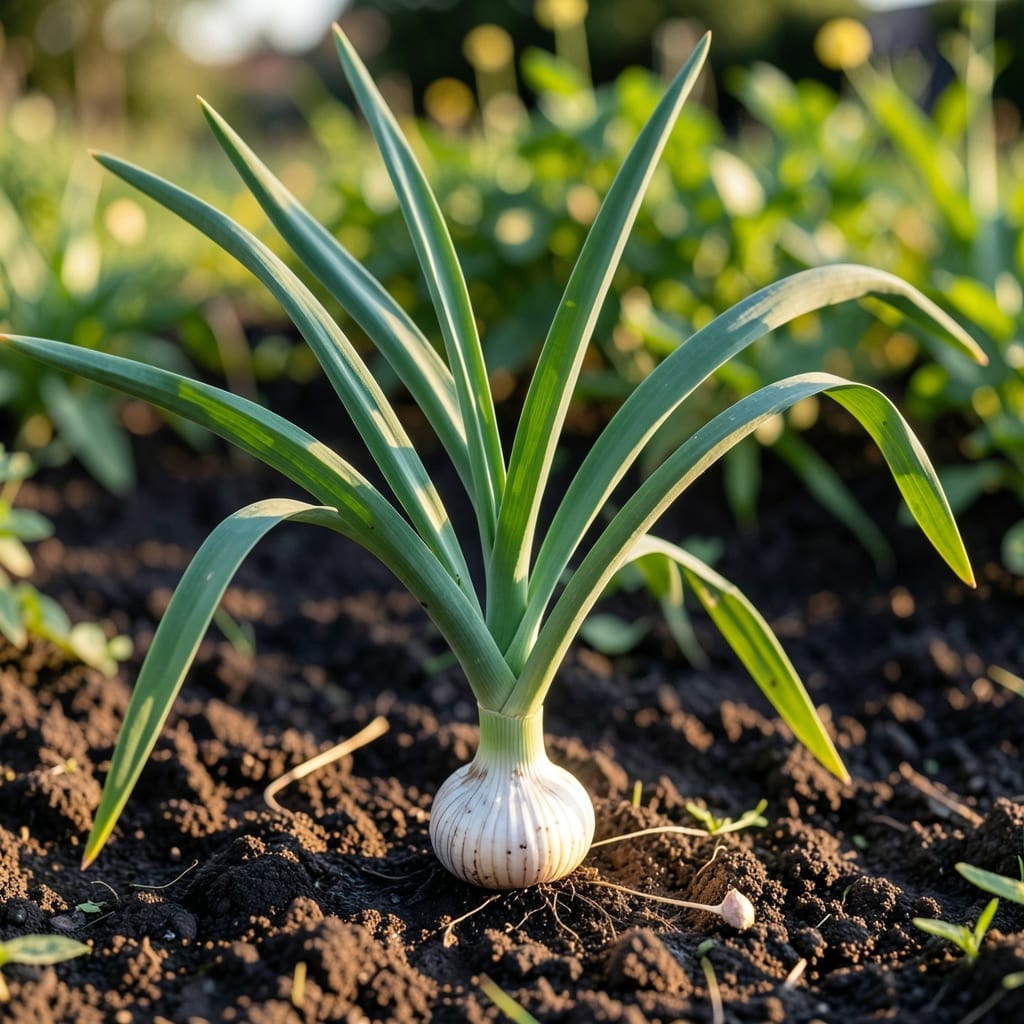
Alliums, with their striking globe-shaped blooms, can transform any garden—but their light requirements often puzzle even experienced growers.
Understanding whether the 🧄 Allium needs full sun or can thrive in shade is key to vibrant, healthy flowers. You might be surprised by how adaptable these plants can be.
Let me share what I’ve learned about giving Alliums the right light conditions for their best performance.

If you’re wondering do alliums need full sun, the short answer is yes—most Allium varieties thrive with 6+ hours of direct sunlight daily. This ensures robust growth and those iconic globe-shaped blooms we love.
However, some shade-tolerant alliums like Allium ursinum (wild garlic) can manage with partial shade. But for the best flowers, full sun is ideal. I’ve seen the difference in my own garden—sun-loving alliums produce bigger, brighter blooms.☀️
| Variety | Sun Needs | Bloom Impact |
|---|---|---|
| Allium giganteum | Full sun | Largest blooms |
| Allium sphaerocephalon | Full sun | Deep purple flowers |
| Allium ursinum | Partial shade | Smaller white blooms |
| Allium roseum | Full sun to partial shade | Pink flowers |
In my experience, alliums in full sun develop stronger stems and more vibrant colors. The direct sunlight helps them photosynthesize efficiently, leading to healthier plants and longer bloom times.
If your garden has limited sunlight, don’t worry. Some alliums, like Allium karataviense, can tolerate light shade. But they’ll still need at least 4-6 hours of sun for decent blooms. I’ve grown these in east-facing beds with good results.
For maximum impact, plant your alliums in the sunniest spot available. This is especially true for taller varieties like Allium christophii, which can reach 3-4 feet and need strong stems to support their heavy flower heads.🌱
I’ve noticed that alliums in too much shade often have weaker stems and smaller blooms. They may also be more susceptible to pests and diseases due to reduced air circulation.
If you’re planting alliums in containers,
Remember, even shade-tolerant alliums will perform better with more light. If you can, choose a spot with morning sun and afternoon shade for the best of both worlds. This setup has worked well for my Allium moly, which thrives in these conditions.
Finally, observe your alliums throughout the season. If they’re not blooming well, it might be a sign they need more sunlight. I’ve moved plants to sunnier spots mid-season and seen a dramatic improvement in their performance.🌿
While full sun is ideal, you can still grow beautiful alliums in partial shade with the right approach. I’ve had success by choosing shade-tolerant varieties and optimizing their growing conditions.
Start by selecting alliums like Allium ursinum or Allium roseum, which handle 4-6 hours of sunlight. These adapt better to dappled light under trees or north-facing beds.☀️
In my garden, I’ve found that morning sun is crucial for partial-shade alliums. The gentler light helps them photosynthesize without the harsh afternoon heat that can stress some varieties.
Another trick is to plant in raised beds. This improves drainage and allows you to position plants to catch more light. I’ve seen Allium karataviense thrive in raised beds with just 5 hours of sunlight daily.
Don’t forget about companion planting. Pairing alliums with low-growing plants can help maximize light exposure. I like to plant them with early-blooming perennials that finish before the alliums need full light.🌱
Finally, be patient. Alliums in partial shade may take a bit longer to establish and bloom. But with proper care, they’ll reward you with beautiful flowers that brighten up shady spots in your garden.