
Beautiful Plants For Your Interior
Beautiful Plants For Your Interior
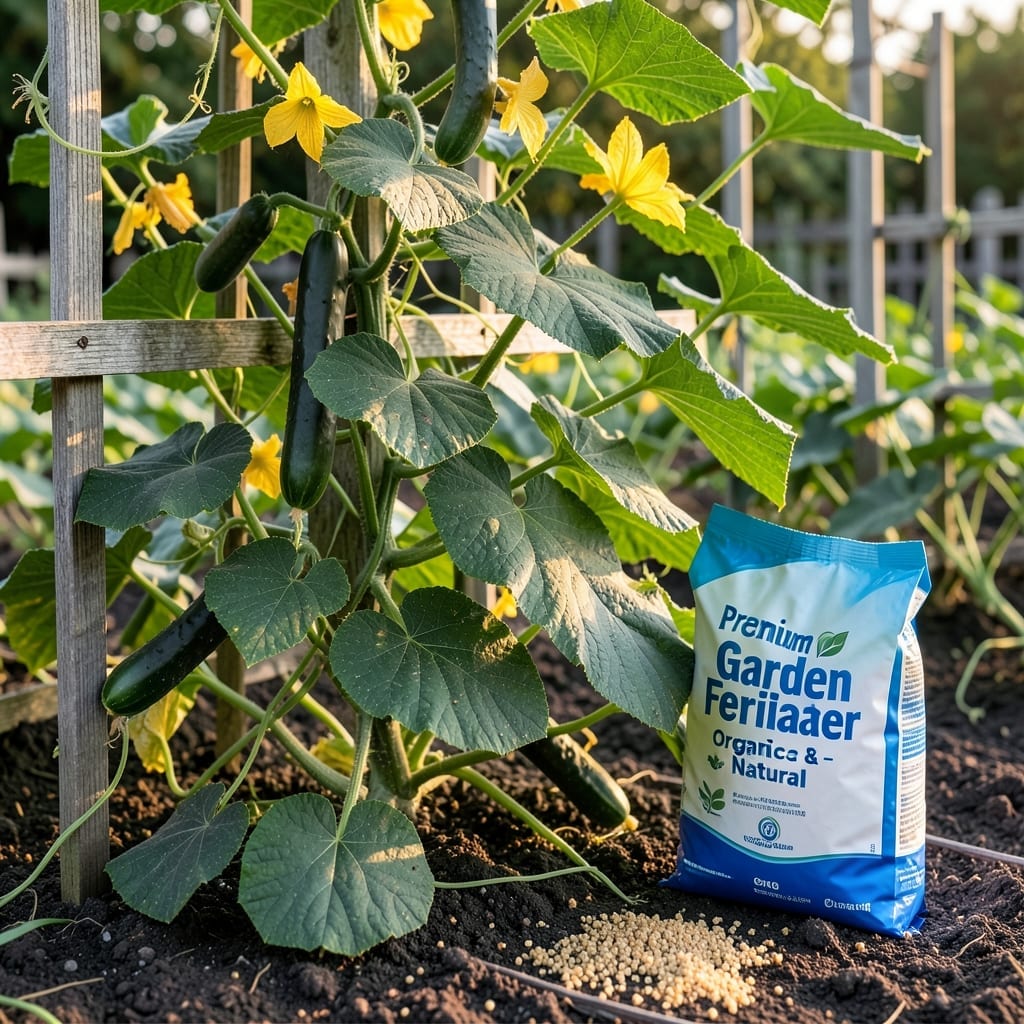
I’ve seen too many gardeners watch their 🥒 Cucumber vines struggle with weak growth and meager harvests. The truth is, these plants are heavy feeders that can’t thrive without the right nutritional balance.
Without proper soil amendments, you might end up with stunted plants or disappointing yields. It’s not just about watering – it’s about giving your Cucumbers exactly what they need to flourish.
From nitrogen for leafy growth to potassium for fruit development, each nutrient plays a critical role. I’ll show you how to spot deficiencies before they become problems.
Discover the simple secrets to feeding your Cucumbers for the best harvest of your gardening career.

As a gardener, I’ve learned that cucumbers are heavy feeders that thrive when given the right macronutrients. These are the big three: nitrogen, phosphorus, and potassium. Each plays a unique role in vine development and fruit production. 🌱
Early in the season, I focus on nitrogen to fuel leafy growth and establish strong vine structures. Without it, your cucumber plants may appear stunted or pale. A soil test helps me determine if I need to amend with blood meal or fish emulsion. 🌿
| Nutrient | Role in Growth | Best Sources |
|---|---|---|
| Nitrogen (N) | Promotes leafy growth and vine development | Compost, blood meal |
| Phosphorus (P) | Encourages root growth and flowering | Bone meal, rock phosphate |
| Potassium (K) | Supports fruit development and disease resistance | Wood ash, kelp meal |
Once my cucumbers start flowering, I shift focus to phosphorus. This nutrient is critical for root development and fruit set. I often mix bone meal into the soil at planting to ensure a steady supply throughout the growing season. ✂️
For fruit production and plant hardiness, potassium is non-negotiable. It helps cucumbers resist diseases and withstand heat stress. I use wood ash or greensand to boost potassium levels, especially in sandy soils that drain quickly. 💧
I always recommend a balanced fertilizer like 5-10-10 for cucumbers. This ratio provides a good mix of all three macronutrients. Apply it every 4-6 weeks during the growing season, but be careful not to over-fertilize, as this can lead to excessive leaf growth at the expense of fruit. 🌻
Soil pH levels also affect nutrient uptake. Cucumbers prefer a slightly acidic to neutral pH between 6.0 and 6.8. If my soil test shows a pH outside this range, I amend with lime to raise pH or sulfur to lower it. 🌡️
In my experience, organic matter is the best way to ensure a steady supply of macronutrients. I work in plenty of well-rotted compost or aged manure before planting. This not only feeds the plants but also improves soil structure and water retention. 🪴
For container-grown cucumbers, I use a lightweight potting mix enriched with compost and a slow-release fertilizer. This ensures the plants have access to nutrients throughout the growing season without the risk of nutrient burn. ☀️
Finally, I monitor my plants for signs of nutrient deficiencies. Yellowing leaves may indicate a nitrogen deficiency, while purple stems or stunted growth often point to a phosphorus shortage. Addressing these issues early keeps my cucumbers healthy and productive. 🌿
While nitrogen, phosphorus, and potassium get most of the attention, cucumbers also rely on secondary nutrients like calcium and magnesium for strong growth. These elements support cell wall structure and photosynthesis. 🌱
A calcium deficiency often shows up as blossom end rot, while magnesium shortages cause yellowing leaves with green veins. Sulfur is another key player, aiding in protein production. 🌿
Trace elements like iron, zinc, and boron are needed in smaller amounts but are just as critical. Iron deficiency leads to pale leaves, while zinc shortages stunt vine growth. 🌱
For boron, which aids in fruit development, I recommend a foliar spray if soil tests show a deficiency. Yellowing at the growing tips is a classic sign of boron deficiency. 🌿
Regular soil testing is the best way to catch nutrient imbalances early. I test my cucumber beds every spring and amend as needed. pH levels between 6.0-6.8 ensure optimal nutrient uptake. ✂️
If you notice stunted growth or discolored leaves, don’t wait—address the issue immediately with the right organic or synthetic amendment. Healthy cucumber plants reward you with abundant harvests all season long. 🌻