
Beautiful Plants For Your Interior
Beautiful Plants For Your Interior
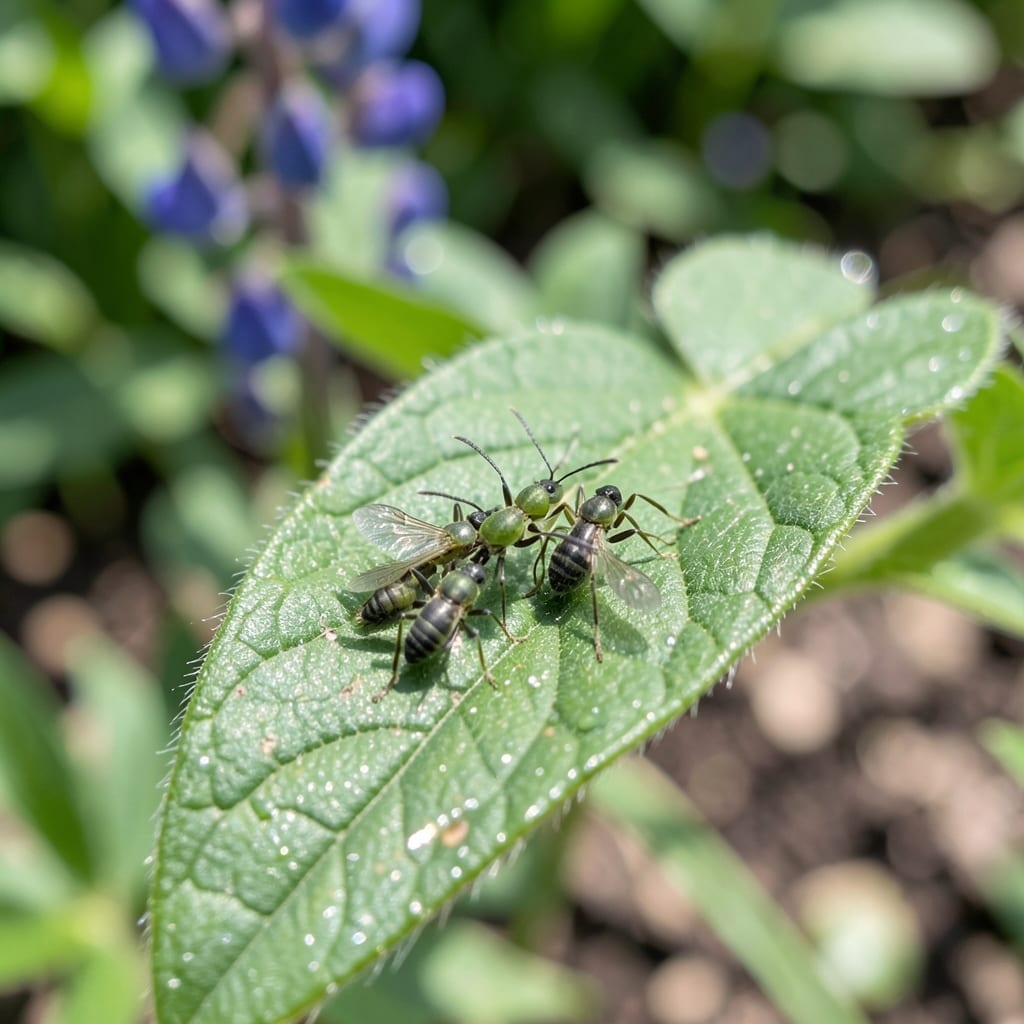
My lupine leaves curled into tight little spoons overnight. Tiny green dots clustered on the stems—aphids had moved in, and they weren’t leaving without a fight.
I’ve lost entire plants to these pests before, but I’ve since learned that early action saves the day. A strong blast of water dislodges most of them, and a simple soapy spray finishes the job without chemicals.
Within 24-48 hours, you’ll see the population drop dramatically. The lupine recovers quickly once the aphids are gone, and new growth comes in clean and strong.
Prevention is easier than cure—keep an eye out for early signs and act fast. Healthy plants resist pests better, so don’t skip the basics.
Aphids thrive on lupine due to a mix of biological, environmental, and agricultural factors. Below are the primary reasons these pests target this plant, explained with actionable insights.
Lupine plants are nitrogen-fixers, meaning they enrich the soil with nitrogen, which also makes their sap nutrient-dense. Aphids, particularly species like Aphis craccivora, are drawn to this sap as a food source. The high amino acid content in lupine’s phloem provides an ideal diet for rapid aphid reproduction. Action: Monitor young lupine shoots, as they’re most vulnerable to infestations during active growth phases.
Some lupine varieties lack strong natural defenses against piercing-sucking insects. Unlike plants that produce bitter compounds or thick cuticles, lupine’s tender stems and leaves offer easy access for aphids to feed. Additionally, stressed lupine (due to drought or poor soil) emits chemical signals that attract aphids. Action: Strengthen plant resilience with balanced watering and organic mulch to reduce stress signals.
Aphids often overwinter on lupine as eggs or adults, especially in temperate climates. The plant’s year-round foliage (in perennial species) provides a consistent habitat, allowing aphid populations to multiply unchecked before spreading to other crops. Action: Remove plant debris in fall and apply neem oil to disrupt overwintering cycles.
Warm, dry conditions (60–80°F) accelerate aphid reproduction, and lupine’s open growth habit offers ample space for colonies. Overcrowded plantings or monocultures also reduce biodiversity, eliminating natural predators like ladybugs. Action: Interplant with aphid-repellent species (e.g., garlic or yarrow) to diversify the ecosystem.
Dealing with aphids on lupine plants doesn’t have to be a losing battle. Here’s how to tackle the problem based on the root causes, along with prevention tips to keep your garden thriving.
If aphids are thriving due to dense planting, thin out your lupine to allow better air circulation. Space plants at least 12–18 inches apart. This reduces humidity, making it harder for aphids to settle. Prevention tip: Plant lupine in well-ventilated areas from the start.
Aphids love damp conditions. Water your lupine at the base in the morning so foliage dries quickly. Avoid overhead watering, which wets the leaves and creates a haven for pests. Prevention tip: Use drip irrigation to keep leaves dry and discourage infestations.
Encourage natural predators like ladybugs, lacewings, or parasitic wasps by planting companion flowers such as marigolds or yarrow. You can also purchase these beneficial insects from garden centers. Prevention tip: Avoid broad-spectrum pesticides that harm helpful bugs.
Stressed lupine plants attract aphids. Boost plant health with organic fertilizers or compost tea. Healthy plants resist pests better. Prevention tip: Apply neem oil or insecticidal soap weekly as a preventive measure.
For small infestations, blast aphids off with a strong stream of water. For larger outbreaks, use insecticidal soap or neem oil, applying in the early morning or late evening. Prevention tip: Inspect plants regularly to catch problems early.
Look for curled leaves, sticky residue (honeydew), or clusters of tiny green insects on stems and undersides of leaves. Early detection makes treatment much easier.
Yes, aphids can quickly move to nearby plants, especially in crowded gardens. Isolate infested plants and treat them immediately to prevent spreading.
A vinegar solution can work as a spot treatment, but it may harm delicate lupine leaves. A mild soapy spray is safer and equally effective for most cases.
Inspect lupine weekly during growing season, focusing on new growth where pests gather. Catching them early prevents major outbreaks.