
Beautiful Plants For Your Interior
Beautiful Plants For Your Interior
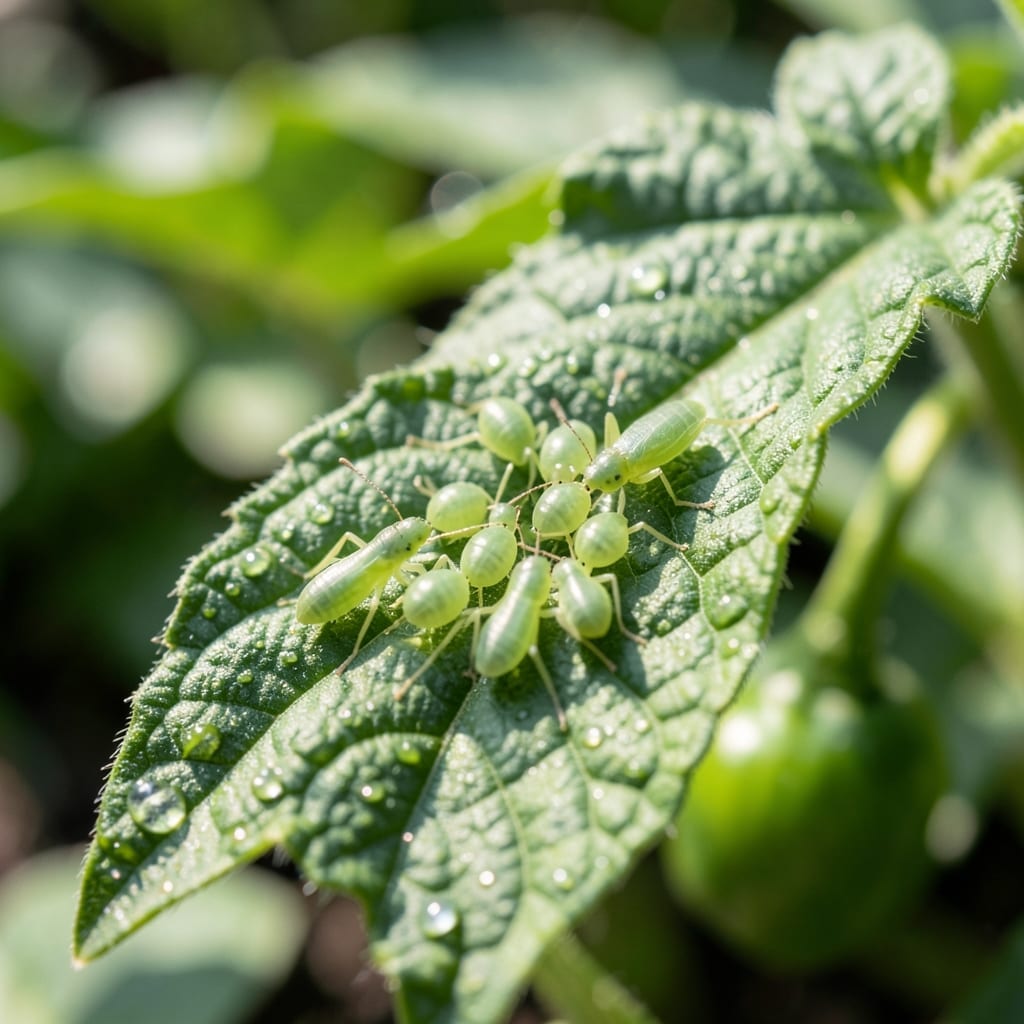
Tiny green invaders turned my jalapeños into their personal buffet last summer. Aphids multiply faster than you can count, but I discovered organic removal methods that actually work without harsh chemicals.
Spotting them early is key—they cluster on new growth and undersides of leaves, leaving sticky residue behind. A strong blast from the hose knocks them off, but that’s just the first step in reclaiming your peppers.
Within 48 hours of starting treatment, you’ll see fewer aphids and healthier leaves. The plants bounce back quickly when you combine physical removal with natural predators like ladybugs.
Works for any pepper variety, any garden size. Here’s how to evict them for good and keep your plants productive all season.
Aphids thrive on jalapeño plants due to a mix of environmental and biological factors. Understanding these triggers helps you prevent and manage outbreaks effectively.
Excess nitrogen in soil promotes soft, lush growth—the perfect food for aphids. Jalapeños fertilized heavily with nitrogen-rich products (e.g., fresh manure or high-N synthetic blends) grow tender new shoots that aphids target. Balance your fertilizer with phosphorus and potassium to toughen plant tissue and deter feeding.
Both drought and soggy soil stress jalapeño plants, weakening their natural defenses. Underwatered plants produce stressed sap that’s more appealing to aphids, while overwatered roots reduce vigor, making plants less resistant. Maintain consistent moisture (1–2 inches of water per week) and ensure proper drainage.
Aphids multiply rapidly when beneficial insects like ladybugs, lacewings, or parasitic wasps are absent. Monoculture gardens (e.g., rows of only jalapeños) or heavy pesticide use can wipe out these predators. Plant companion flowers (e.g., alyssum, dill) to attract aphid-eating allies.
Aphids reproduce fastest in 60–80°F (15–27°C) with low rainfall. Jalapeños grown in greenhouses or during mild springs/falls are especially vulnerable. Monitor plants closely during these conditions and introduce predators early.
Dense foliage traps humidity, creating a microclimate ideal for aphids. Overcrowded jalapeño plants or nearby weeds limit airflow, encouraging infestations. Prune excess leaves and space plants 18–24 inches apart to improve ventilation.
Dealing with aphids on your jalapeño plants doesn’t have to be a headache. Here’s how to tackle the most common causes and restore your peppers to their thriving best.
If aphids have taken over, mix 1 tablespoon of neem oil with 1 quart of water and a few drops of dish soap. Spray the solution directly onto the leaves, focusing on the undersides where aphids hide. Repeat every 5-7 days until the pests are gone. Pro tip 💡: Test the spray on a small area first to avoid damaging sensitive plants.
Aphids target stressed plants, so boost your jalapeños’ health with balanced fertilizer and consistent watering. Avoid over-fertilizing with nitrogen, which can attract more aphids. Instead, opt for a phosphorus-rich feed to encourage strong roots and resistance. Pro tip 🌡️: Water at the base of the plant to keep foliage dry and less inviting to pests.
Encourage natural predators like ladybugs, lacewings, or parasitic wasps by planting companion flowers such as marigolds or alyssum nearby. You can also purchase live ladybugs from garden centers and release them at dusk for the best results. Pro tip ✨: Avoid broad-spectrum pesticides, as they harm helpful insects too.
Remove fallen leaves, weeds, and plant debris around your jalapeños to eliminate aphid hiding spots. Prune heavily infested leaves and dispose of them in sealed bags to prevent reinfestation. Pro tip 🎯: Regularly inspect your plants for early signs of aphids, such as curled leaves or sticky residue (honeydew).
Prevention is key! Rotate crops yearly, use reflective mulch to deter aphids, and maintain good airflow around plants. With these steps, your jalapeños will stay vibrant and aphid-free. 🌿
Inspect your jalapeños every 2-3 days during warm weather, focusing on new growth and leaf undersides. Early detection makes control much easier and prevents full-blown infestations.
Yes! Mix 1 teaspoon of mild dish soap with 1 quart of water and spray leaves thoroughly. This breaks down their protective coating and disrupts feeding. Repeat every 4-5 days as needed.
Plant marigolds, nasturtiums, or garlic near your jalapeños. These deter aphids while attracting beneficial predators. Basil also works well and improves pepper flavor!
They often return because eggs or nymphs survived treatment. Remove ALL visible pests and repeat applications every 5-7 days to break their life cycle. Also check nearby plants for hidden colonies.