
Beautiful Plants For Your Interior
Beautiful Plants For Your Interior
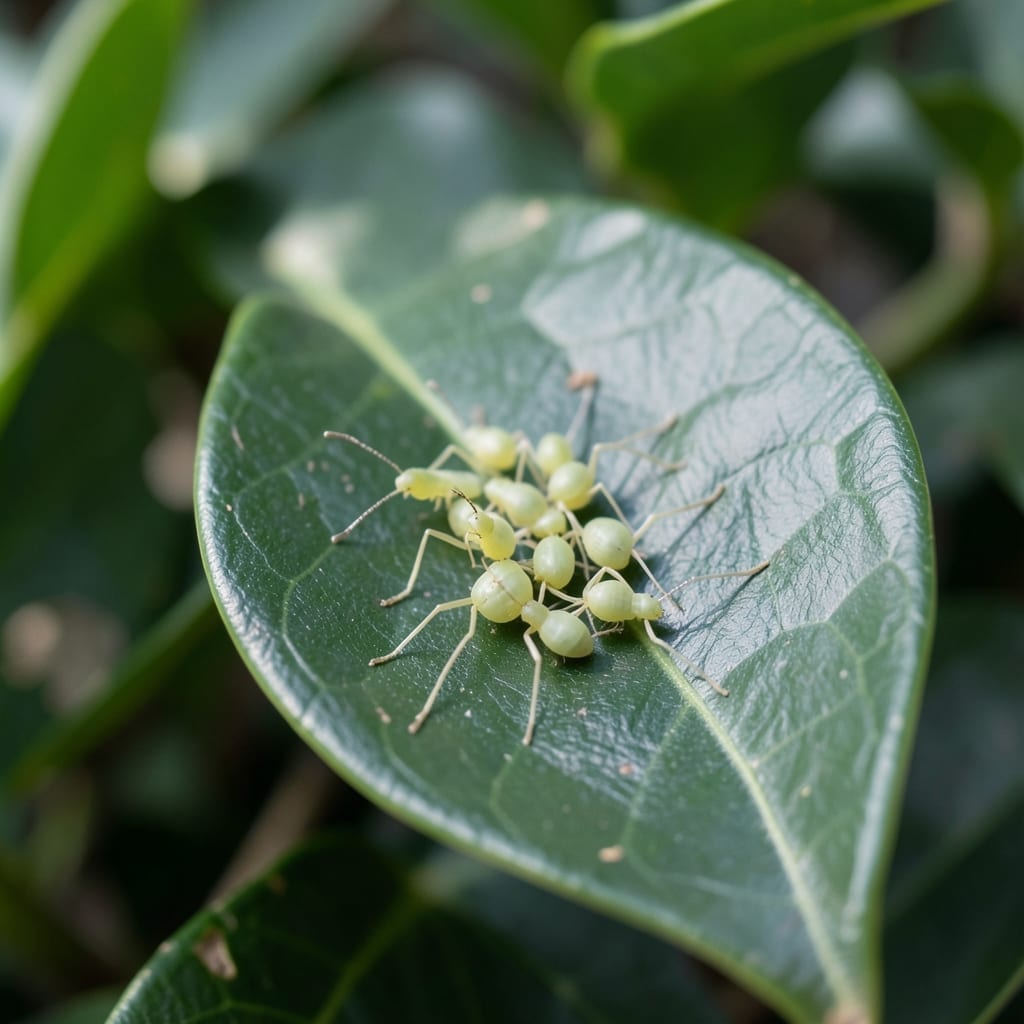
My fiddle leaf fig was thriving until I spotted those tiny green invaders. 🌿 Aphids multiply fast, but catching them early makes all the difference.
These pests target new growth, leaving sticky residue and stunted leaves. I learned the hard way that ignoring them for even a week can set your plant back for months.
The good news? A simple spray bottle, some soapy water, and a close inspection routine can solve this. Your fig will bounce back with glossy, vibrant leaves in no time.
Prevention is easier than treatment, and I’ll show you exactly how to keep these pests from coming back. No harsh chemicals needed.
Aphids thrive on fiddle leaf figs for several predictable reasons, each tied to the plant’s environment or care routine. Understanding these triggers helps you act fast and prevent repeats.
Stressed or densely grouped fiddle leaf figs emit chemical signals that attract aphids. Weak growth from underwatering, poor light, or nutrient deficiencies lowers the plant’s natural defenses, making it an easy target. Aphids sense these vulnerabilities and move in to feed on the sap.
Aphids often hitchhike indoors on new plants, fresh soil, or even your clothing. Once inside, they quickly locate your fiddle leaf fig. Open windows without screens, especially in spring and summer, also provide direct access for winged aphids to fly in.
While fiddle leaf figs love humidity, consistently damp conditions create an ideal breeding ground for aphids. Overwatering or poor drainage can lead to soft, succulent new growth—apex aphid food. High humidity without airflow further encourages their rapid reproduction.
Too much nitrogen in fertilizer promotes tender, sap-rich new leaves—aphids’ favorite meal. An over-fertilized fiddle leaf fig grows fast but weak, making it more susceptible to infestation. Stick to a balanced, diluted fertilizer schedule to avoid this.
When aphids invade your fiddle leaf fig, swift action can save your plant. Here’s how to tackle each issue head-on and keep your green friend thriving.
For a small cluster of aphids, put on gloves and gently wipe them off with a damp cloth or cotton swab dipped in soapy water (1 tsp mild dish soap per liter of water). Focus on the undersides of leaves where they love to hide. Repeat every few days until they’re gone.
Prevention tip: 💡 Inspect new plants before bringing them near your fiddle leaf fig to avoid spreading pests.
Mix neem oil (1 tbsp per gallon of water) or insecticidal soap and spray the entire plant, coating both sides of the leaves. Reapply every 5–7 days for 2–3 weeks to break the aphid life cycle. Avoid direct sunlight after spraying to prevent leaf burn.
Prevention tip: ✨ Keep humidity moderate—aphids thrive in very dry or overly damp conditions.
If aphids are in the soil, use a systemic granular insecticide (like imidacloprid) mixed into the top layer of soil. Water the plant to activate it. This targets pests from the roots up but avoid using it if you have pets or small children.
Prevention tip: 🌱 Repot annually with fresh, sterile soil to disrupt pest cycles.
Introduce ladybugs or lacewings to your plant’s environment—they’re natural aphid hunters! Order them online or attract them with companion plants like marigolds or dill. Just ensure your fiddle leaf fig is outdoors or in a well-ventilated area.
Prevention tip: 🎯 Rotate treatments to prevent aphids from building resistance.
Consistency is key. Combine treatments with regular inspections (check weekly) and good airflow around your plant to discourage future outbreaks.
Inspect your fiddle leaf fig weekly for early signs. Pay special attention to new growth and leaf undersides, where they cluster. Catching them early prevents rapid spreading.
A 1:3 vinegar-water mix can kill aphids on contact, but test on a small leaf first. Vinegar may damage sensitive foliage if used undiluted or too frequently.
Recurring infestations often mean untreated eggs or nearby hiding spots. Isolate the plant, clean surrounding areas, and repeat treatments every 5-7 days to break their life cycle.
Yes, remove heavily infested leaves immediately and dispose of them in sealed bags. This reduces the pest population and prevents further spread to healthy growth.