
Beautiful Plants For Your Interior
Beautiful Plants For Your Interior
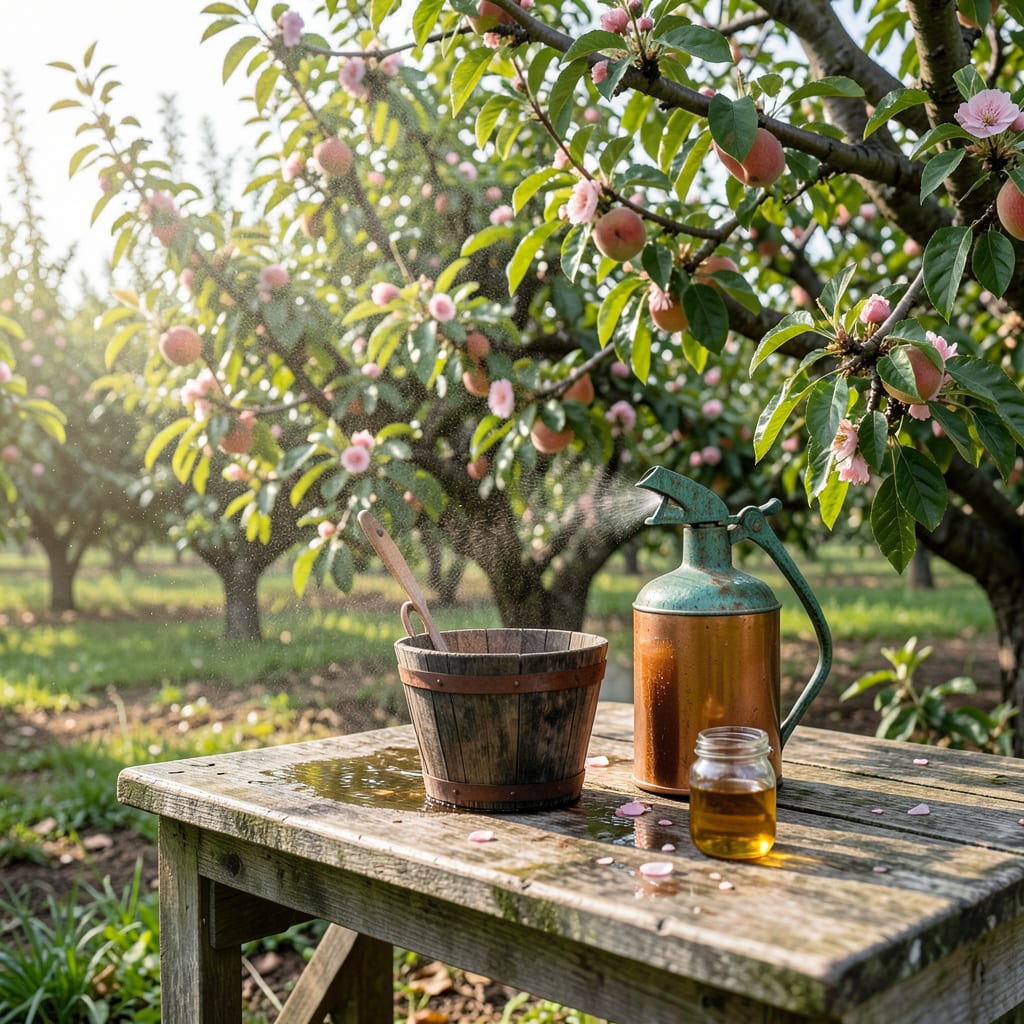
Peach leaf curl nearly wiped out my orchard three seasons ago. The twisted, reddened leaves were impossible to miss, and I knew I had to act fast to save my trees.
I learned that timing is everything—spraying copper fungicide in late winter, before buds swell, stops the fungus in its tracks. It’s not about drowning the tree in chemicals but hitting the disease at its most vulnerable stage.
Now, my trees stay healthy with just 2-3 applications a year, and the difference is night and day. The leaves stay green, the fruit sets properly, and I don’t lose sleep over another outbreak.
This method works for organic and conventional gardeners alike. Here’s how to do it right the first time.
Peach leaf curl is a common and destructive fungal disease caused by Taphrina deformans. Understanding why it happens is the first step to preventing its damaging effects on your peach trees. Below are the primary causes behind this frustrating issue.
The fungus Taphrina deformans thrives in cool, wet conditions, often infecting trees during the dormant season. Spores overwinter in bark crevices and bud scales, waiting for spring rains to trigger growth. When temperatures hover between 45–75°F (7–24°C) and moisture is abundant, the fungus germinates and invades developing leaves, causing distortion and reddening.
Wet, humid weather is the perfect breeding ground for peach leaf curl. Extended periods of rain or overhead irrigation create ideal conditions for spore dispersal and infection. Trees in poorly drained areas or those with dense canopies that trap moisture are especially vulnerable.
Some peach tree varieties are more prone to leaf curl than others. Young trees, stressed trees, or those with pre-existing damage (such as pruning wounds) are at higher risk. Additionally, trees that were heavily infected in previous seasons often carry lingering spores, increasing the likelihood of reinfection.
Failing to apply copper fungicide at the right time leaves trees unprotected. The fungus infects buds in late winter or early spring before leaves emerge. If sprays are applied too late—after symptoms appear—they are far less effective. Proper timing is critical to breaking the disease cycle.
Leaf curl on peach trees is frustrating, but with the right approach, you can stop it in its tracks and protect your harvest. Below are targeted solutions for each cause, along with prevention tips to keep your trees healthy long-term.
Pro Tip ✨: Always clean up fallen leaves and debris in autumn—this removes hiding spots for spores and pests over winter!
Apply in late winter or early spring before buds swell. A second application after leaf drop in autumn helps prevent next year’s infection.
Copper fungicide is most effective for peach leaf curl. Liquid copper or Bordeaux mixture are popular choices. Always follow label instructions for mixing and safety.
Yes! Organic options like neem oil or sulfur-based sprays can work, but they’re less potent than copper. Apply more frequently, especially after rain.
Reapply copper fungicide immediately if heavy rain occurs within 24 hours of spraying. Light rain may not require a repeat, but check the forecast.
