
Beautiful Plants For Your Interior
Beautiful Plants For Your Interior
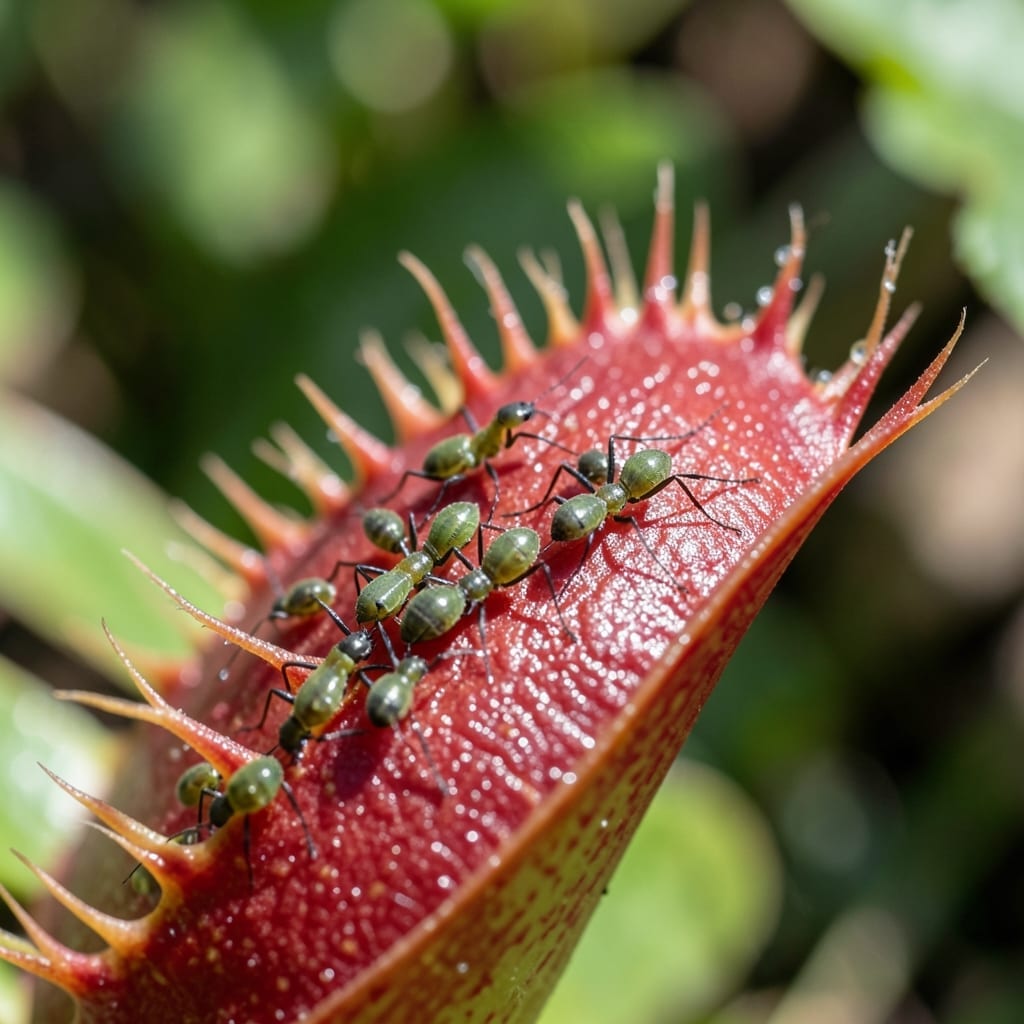
I panicked the first time I saw aphids crawling on my Venus flytrap. These delicate carnivores can’t handle harsh chemicals, so standard pest solutions are off the table.
Here’s the thing—aphids love the same moist conditions your flytrap needs. The solution isn’t poison; it’s patience and gentle methods that protect both plant and its trapping mechanism.
You’ll remove the pests without harming the plant using simple tools you already own. The process takes 10 minutes and prevents future infestations with better air circulation.
Works for indoor and outdoor plants alike. Your flytrap will recover faster than you’d expect and get back to catching its own meals.
Aphids are drawn to Venus flytraps for several biological and environmental reasons. Understanding these causes helps prevent infestations and protect your carnivorous plant.
Venus flytraps secrete nectar to lure prey, but this same nectar attracts aphids. The sugary substance provides an easy food source, encouraging aphids to congregate on the plant’s traps and leaves.
Excess moisture creates an ideal breeding ground for aphids. Overwatered Venus flytraps or those in high-humidity environments (like terrariums) unintentionally foster aphid colonies. These pests thrive in damp conditions, multiplying rapidly on tender new growth.
A Venus flytrap under stress—whether from poor light, incorrect soil, or nutrient deficiencies—becomes more vulnerable. Aphids target weakened plants, as their natural defenses (like trap sensitivity) may be compromised.
In outdoor settings, ladybugs and lacewings keep aphid populations in check. Indoor Venus flytraps lack these predators, allowing aphids to proliferate unchecked if introduced via other infested plants or contaminated soil.
Dealing with aphids on your Venus flytrap requires a gentle but effective approach to avoid damaging the plant. Here’s how to tackle the problem based on the cause, along with prevention tips to keep your plant healthy long-term.
If you spot a few aphids, start with a soft-bristle toothbrush or cotton swab dipped in water. Gently brush or dab the pests off the leaves and traps. Rinse the plant with a light spray of water to remove any stragglers. Do this in the morning so the plant has time to dry in sunlight, reducing the risk of fungal issues.
Mix 1 teaspoon of mild liquid soap (like Castile soap) with 1 liter of water and spray it directly onto the aphids. The soap breaks down their protective coating, causing them to dehydrate. Rinse the plant after 15–20 minutes to avoid soap residue, which can harm the Venus flytrap. Repeat every few days until the aphids are gone.
Introduce beneficial insects like ladybugs or lacewings to your growing area. These predators feed on aphids and can help keep their numbers in check. If you’re growing your Venus flytrap indoors, consider placing it near a window where these insects might naturally wander in.
Prevention Tips:
No, when properly diluted. Use 1 teaspoon mild soap per 1 liter of water and rinse after 15-20 minutes. This prevents residue buildup that could damage the plant.
Avoid neem oil—it can clog the plant’s pores and harm its delicate traps. Stick to manual removal or soapy water for safer results.
Inspect your plant weekly, especially the undersides of leaves and traps. Early detection makes removal easier and prevents large infestations.
They thrive in humid conditions. Improve air circulation and reduce excess moisture to discourage reinfestation. Also, check nearby plants for hidden pests.