
Beautiful Plants For Your Interior
Beautiful Plants For Your Interior
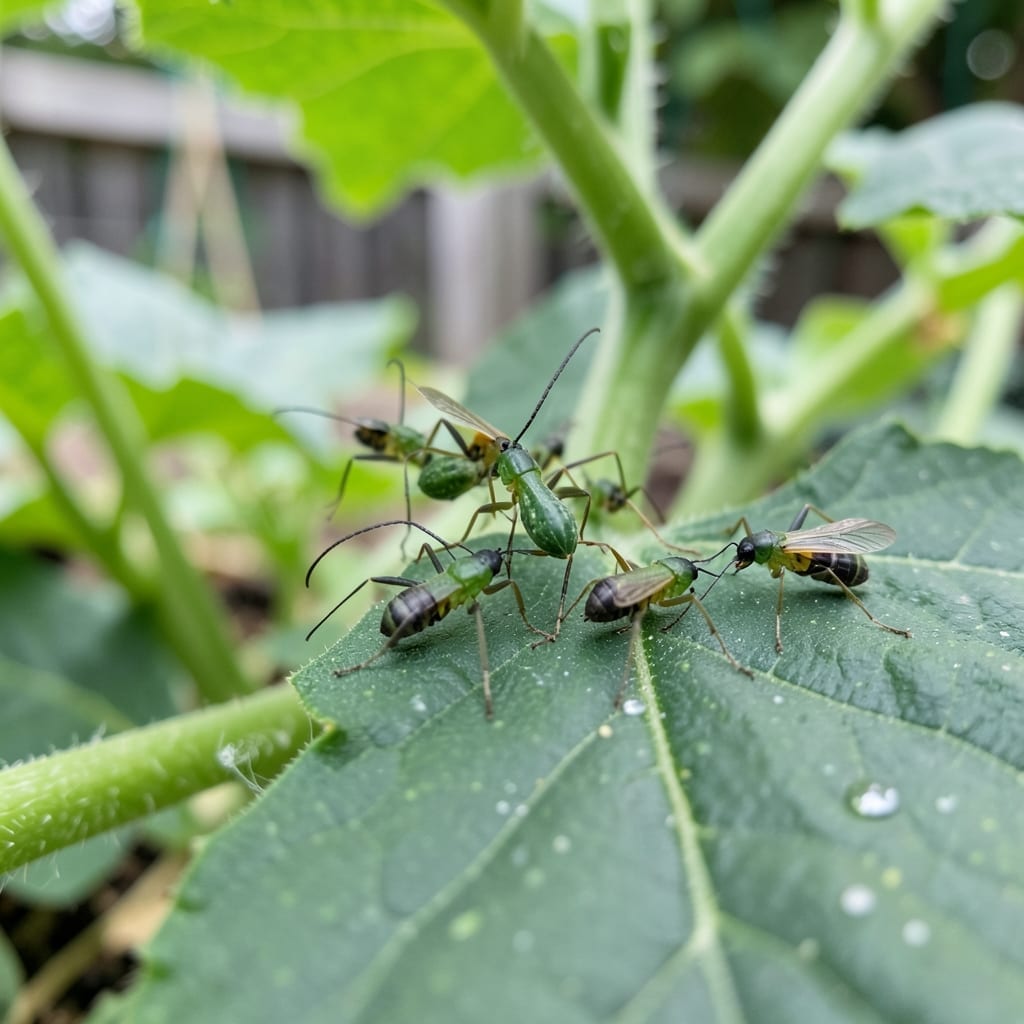
Tiny green invaders on your cucumber leaves spell trouble. I spotted my first aphid cluster last July—those soft-bodied pests multiply faster than you can say “organic garden.”
They curl leaves, stunt growth, and spread disease before you notice. The good news? A simple soap solution stops them dead in their tracks without harming your plants or the bees buzzing nearby.
You’ll see results within 24-48 hours of application. The plants bounce back quickly, and the solution doubles as prevention for future outbreaks.
Works for container gardens, raised beds, or full backyard plots. No fancy equipment required—just household staples and a sharp eye.
Aphids thrive on cucumber plants due to several environmental and biological factors. Understanding these causes helps prevent and manage outbreaks effectively.
Cucumber plants grown in dense clusters or with poor air circulation create ideal conditions for aphids. Weak or stressed plants, often due to nutrient deficiencies or overwatering, emit chemical signals that attract aphids. These pests target tender new growth, where they pierce plant cells to feed on sap.
Aphids reproduce rapidly in warm temperatures (70–80°F) and low humidity. Dry conditions reduce the presence of natural predators like ladybugs, allowing aphid populations to explode. Cucumber plants, which love heat, become prime targets during these periods.
Gardens without beneficial insects (e.g., lacewings, parasitic wasps) or companion plants (like marigolds or nasturtiums) often see higher aphid numbers. These predators keep aphid populations in check, but monoculture plantings or pesticide use can disrupt this balance.
Over-fertilizing with nitrogen promotes lush, soft growth—exactly what aphids love. While cucumbers need nutrients, imbalanced soil (high nitrogen, low potassium/phosphorus) creates a buffet for sap-sucking pests. Test soil and adjust fertilizers to maintain a balanced diet for your plants.
Tackling aphids on your cucumber plants doesn’t have to be complicated. Here’s how to address the most common causes and restore your garden’s health.
Overcrowding creates a perfect hiding spot for aphids. Pull up weak or excess seedlings to give your cucumbers room to breathe. Space plants at least 12–18 inches apart to improve airflow and reduce pest appeal. Prevention tip: 💡 Start with proper spacing from the get-go to avoid future infestations.
Aphids thrive on stressed plants, often caused by inconsistent watering. Water at the base of the plant (not the leaves) early in the morning to keep foliage dry and discourage aphids. Use a soaker hose or drip irrigation for even moisture. Prevention tip: 🌡️ Mulch around plants to retain soil moisture and regulate temperature.
Ladybugs, lacewings, and parasitic wasps are natural aphid predators. Plant companion flowers like marigolds, yarrow, or dill nearby to attract them. Avoid broad-spectrum pesticides that kill these helpful insects. Prevention tip: ✨ Leave a small patch of wildflowers in your garden to sustain a predator population year-round.
For a quick fix, mix 1 tablespoon of mild liquid soap (like Castile) with 1 quart of water in a spray bottle. Spray directly on aphids early in the day, focusing on the undersides of leaves. Rinse plants with water after a few hours to prevent leaf burn. Prevention tip: 🎯 Reapply every 4–7 days or after rain until aphids are gone.
Inspect cucumber plants every 2-3 days during warm weather, focusing on new growth and leaf undersides. Early detection prevents large infestations.
Yes, neem oil is effective but requires careful use. Mix 1 tablespoon neem oil with 1 gallon of water and spray in the evening to avoid leaf burn.
Plant marigolds or nasturtiums nearby to repel aphids naturally. These also attract beneficial insects that eat pests.
For severe cases, prune heavily infested leaves and use the soap spray daily for 3-4 days. This breaks their life cycle quickly.