
Beautiful Plants For Your Interior
Beautiful Plants For Your Interior
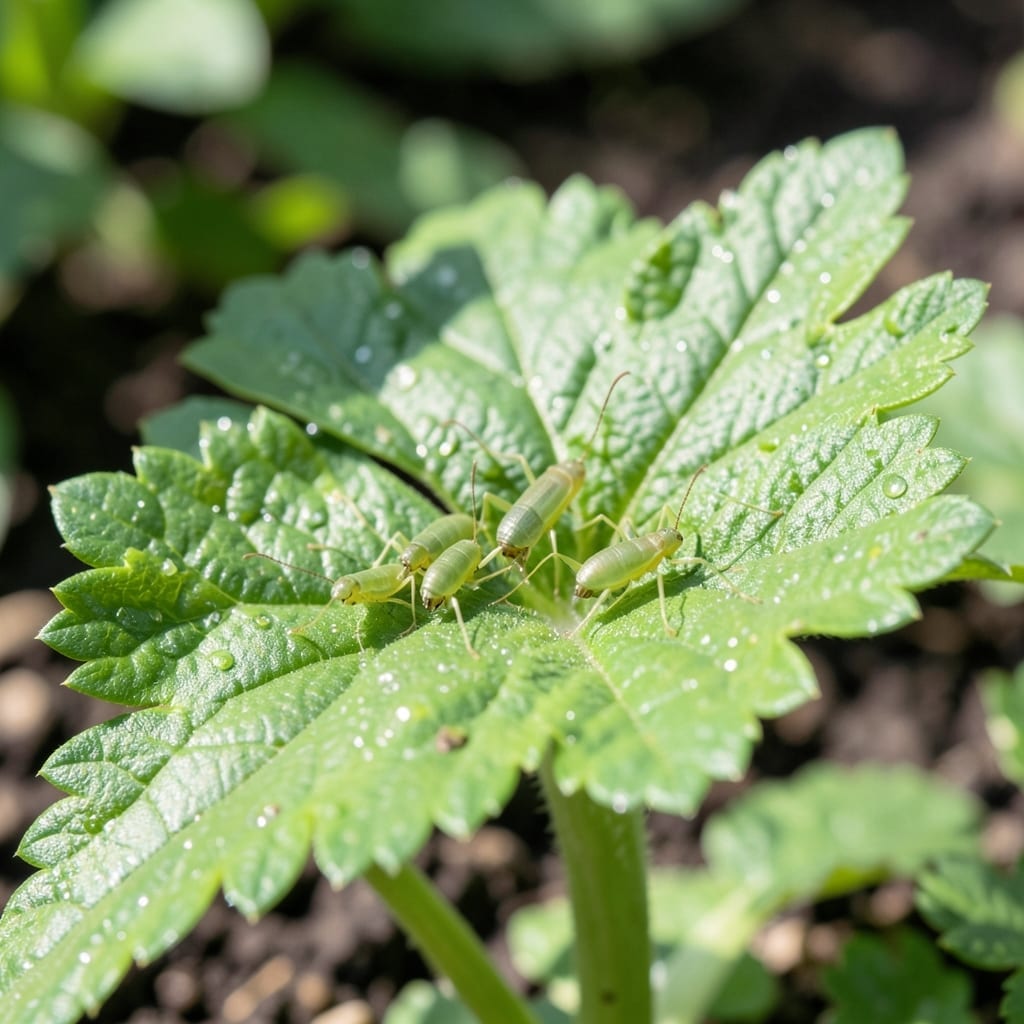
Tiny green bugs covering your cilantro leaves? I’ve been there. Aphids can turn a thriving herb patch into a sticky, wilting mess in days, but the good news is they’re easy to beat.
These pests love the soft new growth of cilantro, especially in warm weather. I lost my first crop before learning that a strong blast of water can knock them off immediately. The key is catching them early.
You’ll see your plants bounce back within 24-48 hours of treatment. The leaves regain their vibrant color, and new growth comes in strong. No more curled, yellowing foliage.
Works for container gardens, raised beds, or in-ground plantings. Let’s save that cilantro.
Aphids thrive on cilantro due to a combination of environmental and plant-specific factors. Understanding these causes helps you prevent and tackle the issue effectively.
Excess nitrogen in the soil promotes rapid, soft growth in cilantro, which aphids find irresistible. These pests target tender new shoots and leaves, feeding on the sap. Action: Balance fertilization with potassium and phosphorus to strengthen plant cell walls, making them less appealing to aphids.
Both overwatering and underwatering stress cilantro, weakening its natural defenses. Aphids are drawn to stressed plants as they release volatile organic compounds (VOCs) that signal vulnerability. Action: Maintain consistent moisture levels—water at the base to avoid wetting the leaves, which can also attract aphids.
Monocultures or gardens lacking beneficial insects (like ladybugs or lacewings) create an ideal aphid breeding ground. These predators naturally control aphid populations. Action: Plant companion flowers (e.g., marigolds or alyssum) to attract aphid-eating insects.
Aphids reproduce rapidly in temperatures between 60–80°F (15–27°C), especially in spring and early summer. Cilantro’s tender foliage provides an easy food source during these conditions. Action: Monitor plants closely during these seasons and use row covers to deter early infestations.
Tackling aphids on your cilantro doesn’t have to be a battle. Here are practical, step-by-step solutions grouped by cause, plus prevention tips to keep your herbs thriving.
Overcrowding creates a humid, sheltered environment where aphids thrive. Fix it: Thin out cilantro seedlings so plants are 6–8 inches apart. This improves airflow and reduces hiding spots for pests. For mature plants, prune dense foliage to open up the canopy.
Prevention tip: 💡 Sow seeds in well-spaced rows from the start, and avoid over-fertilizing, which can lead to lush, aphid-attracting growth.
Aphids target weak cilantro, often due to poor soil or improper watering. Fix it: Strengthen plants with a balanced, organic fertilizer (like fish emulsion or compost tea). Water at the base—not the leaves—to avoid creating damp conditions aphids love.
Prevention tip: 🌡️ Mulch around plants to retain moisture and regulate soil temperature, keeping cilantro resilient.
No natural enemies? Aphids multiply unchecked. Fix it: Attract or purchase beneficial insects like ladybugs, lacewings, or parasitic wasps. Release them in the evening when aphids are less active. Avoid broad-spectrum pesticides, which kill helpful bugs too.
Prevention tip: ✨ Plant companion flowers like marigolds, alyssum, or dill nearby to create a habitat for predator insects year-round.
If aphids have already colonized your cilantro, act fast. Fix it: Prune heavily infested leaves and stems, and dispose of them in sealed bags (not compost). Then, spray plants with a soapy water solution (1 tsp mild liquid soap + 1 quart water) or neem oil (follow label instructions). Reapply every 2–3 days until gone.
Prevention tip: 🎯 Regularly inspect the undersides of leaves for early signs of aphids—catch them before they spread!
Tiny green, black, or yellow bugs clustering on new growth and undersides of leaves. They’re pear-shaped and 1-3mm long. Look for sticky residue or curled leaves as additional signs.
Yes, they move quickly to nearby plants. Isolate infested cilantro and treat immediately to prevent spread. Companion planting with repellent herbs can help.
Apply soapy water or neem oil every 2-3 days until gone. Reapply after rain. Consistency is key to breaking their life cycle.