
Beautiful Plants For Your Interior
Beautiful Plants For Your Interior
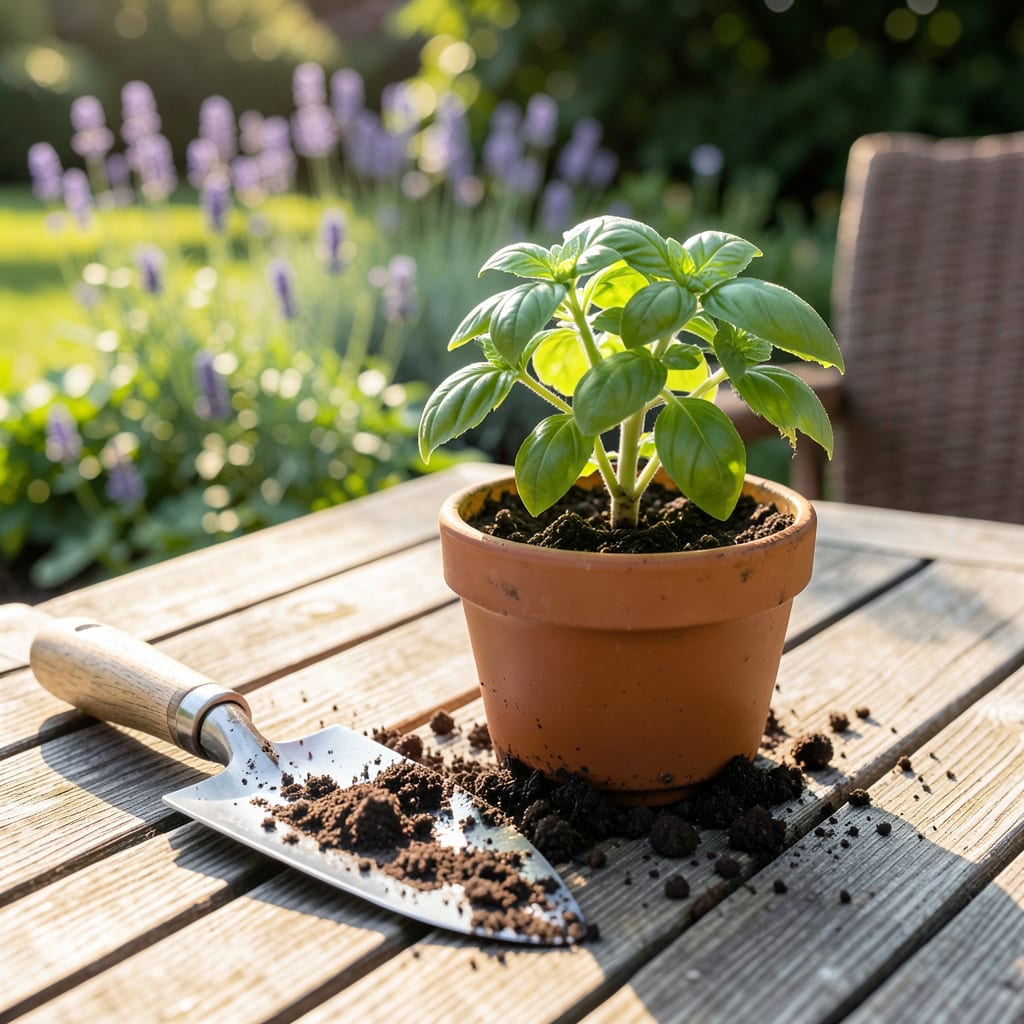
That first warm spring day has you itching to get your 🌿 herbs into outdoor pots—but hold on. Plant too early, and a sneaky late frost could wipe out your basil or cilantro overnight. Timing isn’t just about patience; it’s about protecting your harvest before it even begins.
Here’s the good news: I’ve cracked the code for frost-free planting windows that work for your climate. Whether you’re in zone 6 or a warmer region, you’ll know exactly when to move those pots outside—and how to keep your herbs thriving all season long.
Getting your herbs in pots outside at the right time can make or break your harvest. I’ve seen too many gardeners lose their basil or rosemary to a surprise late frost. The key is knowing your USDA zone and watching those nighttime temps.
Most herbs thrive when soil temps hit 50–60°F, but tender varieties like basil need it even warmer. If you’re in Zone 6, your last frost is likely mid-April, but Zone 9 gardeners can start as early as February. Always check your local frost-free date first.
| Zone | Last Frost Date | Cold-Hardy Herbs | Tender Herbs |
|---|---|---|---|
| Zones 3-4 | May 1–15 | 2–3 weeks after frost | June 1 (after soil warms) |
| Zones 5-6 | April 1–15 | Mid-April | May 1 (soil >55°F) |
| Zones 7-8 | March 15–30 | Late March | April 15 (no frost risk) |
| Zones 9-10 | Feb 1–15 | Early February | March 1 (watch for heat) |
Tip: Urban areas may be 1–2 weeks earlier due to heat islands. Use a soil thermometer for accuracy.
If you’re in a cold climate, focus on hardy herbs like thyme, oregano, or chives. These can handle a light frost and even thrive in cooler temps. I’ve had mint survive unexpected 30°F nights in pots—just mulch heavily.
For tender herbs like basil or lemongrass, wait until nights stay above 50°F. A black plastic pot can help warm soil faster in spring. Pro tip: Start these indoors 6–8 weeks before your last frost for a head start.
Don’t forget microclimates! A south-facing balcony warms up faster than a shaded patio. If you’re unsure, use a low tunnel or floating row cover for the first few weeks. I’ve saved many herbs this way.
Container size matters too. Small pots dry out and cool down faster, so opt for at least 8–12 inches in diameter. Terra cotta is pretty but dries out quickly—plastic or glaze retains moisture better in spring.
If you’re itching to get started, harden off your herbs first. Set pots outside for 1–2 hours in shade, gradually increasing time over a week. This prevents transplant shock, which can stunt growth for weeks.
Watch the 10-day forecast before moving herbs out. If nights dip below 40°F, bring pots inside or cover them. I learned this the hard way after losing a cilantro crop to a late April freeze.
Once your herbs are outside, keep them in partial shade for the first few days, even if they’re sun-lovers. This helps them adjust. And remember: evening sun is gentler than midday heat for new transplants.
Your herbs in pots won’t thrive outside just because the calendar says spring. I’ve learned the hard way that soil temperature and nighttime consistency matter more than dates. Here’s how to test if conditions are truly ready for your basil, thyme, or rosemary.
First, forget the frost date—check the 10-day forecast for nighttime lows. Your herbs need consistent temps above 45°F for cold-hardy types and 50°F+ for tender ones like cilantro or lemongrass. One rogue 38°F night can set plants back weeks.
Pro Tip: The “hand test” works in a pinch—if soil feels cool but not cold to your palm, it’s likely safe for hardy herbs.
Don’t trust the air temperature alone—soil temps lag behind. I once planted oregano when air temps hit 60°F, only to find the soil was still a chilly 48°F. The plants sulked for weeks. A $10 soil thermometer saved my next batch.
Watch for microclimate quirks. A blacktop driveway or brick wall can create a heat pocket that’s 5–10°F warmer than your lawn. Place pots near these in early spring, but move them if temps spike above 85°F—herbs like parsley bolt fast in heat.
Your herbs’ leaves will tell you if they’re stressed. Wilting by noon? Too much sun. Purple stems on basil? Cold damage. Yellow lower leaves? Overwatering from spring rains. Adjust pots to morning sun and afternoon shade if needed.
If you’re unsure, do the “overnight test”: Leave pots outside for one night, then check leaves in the morning. Crispy edges or dark spots mean it’s too early. I lost a dill plant this way—now I use a cheap indoor/outdoor thermometer with alerts.
Remember, container herbs are more vulnerable than in-ground plants. Their roots can’t escape temperature swings. In early spring, cluster pots together to retain heat, or wrap them in bubble wrap on cold nights. It’s ugly but effective!
Not all herbs can handle the early spring chill—some thrive in cool weather, while others will sulk (or die) if planted too soon. I’ve tested this firsthand: my chives laughed at a 28°F night, but my basil turned to mush at 40°F. Here’s how to pick the right herbs for your timing.
Cold-hardy herbs like oregano, thyme, and mint can go outside 2–3 weeks before your last frost. These tough plants often taste sweeter after a light frost. I’ve even seen parsley survive under snow! But tender herbs need pampering.
Quick Fix: Use floating row covers to plant tender herbs 1–2 weeks earlier.
If you’re eager to start, try succession planting. I sow cilantro every 3 weeks—early batches bolt, but later ones thrive. For basil, wait until nights stay above 55°F, or grow in black pots to absorb heat.
Watch for purple stems or wilting—classic cold stress signs. My rosemary once turned purple after a 35°F night, but recovered in a sunny window. Move pots to a sheltered spot (like against a house wall) if temps drop unexpectedly.
For marginal nights (40–45°F), cluster pots together and wrap them in bubble wrap or old blankets. I’ve saved tarragon this way. Or, keep pots on a plant caddy to wheel them into the garage overnight.
Remember: container herbs are more vulnerable than in-ground plants. Their roots can’t burrow deep for warmth. In early spring, place pots on bricks or pavers—they absorb heat during the day and radiate it at night. This trick bought my sage an extra week outdoors.
Look for 6–8 inches of growth with sturdy stems and multiple leaf sets. If leaves smell strongly when crushed and stems don’t bend easily, they’re ready. Always harden off seedlings for 7 days first.
Use black plastic pots (absorbs heat) or wrap containers in bubble wrap. Place pots on bricks or pavers—they retain warmth overnight. A soil thermometer helps track progress.
No! Cold-hardy herbs (thyme, oregano) go out 2–3 weeks before last frost, while tender ones (basil, cilantro) need 50°F+ nights. Check the 10-day forecast before moving sensitive varieties.
Skipping the hardening-off process. Direct sun/wind shock stunts growth. Start with 1–2 hours of shade daily, increasing over a week. Also, avoid small pots—they dry out and chill roots too fast.
Cluster pots together and cover with floating row fabric or old blankets. Move to a sheltered wall or garage overnight. For quick fixes, plastic milk jugs (with vents) work as mini-greenhouses.
