
Beautiful Plants For Your Interior
Beautiful Plants For Your Interior
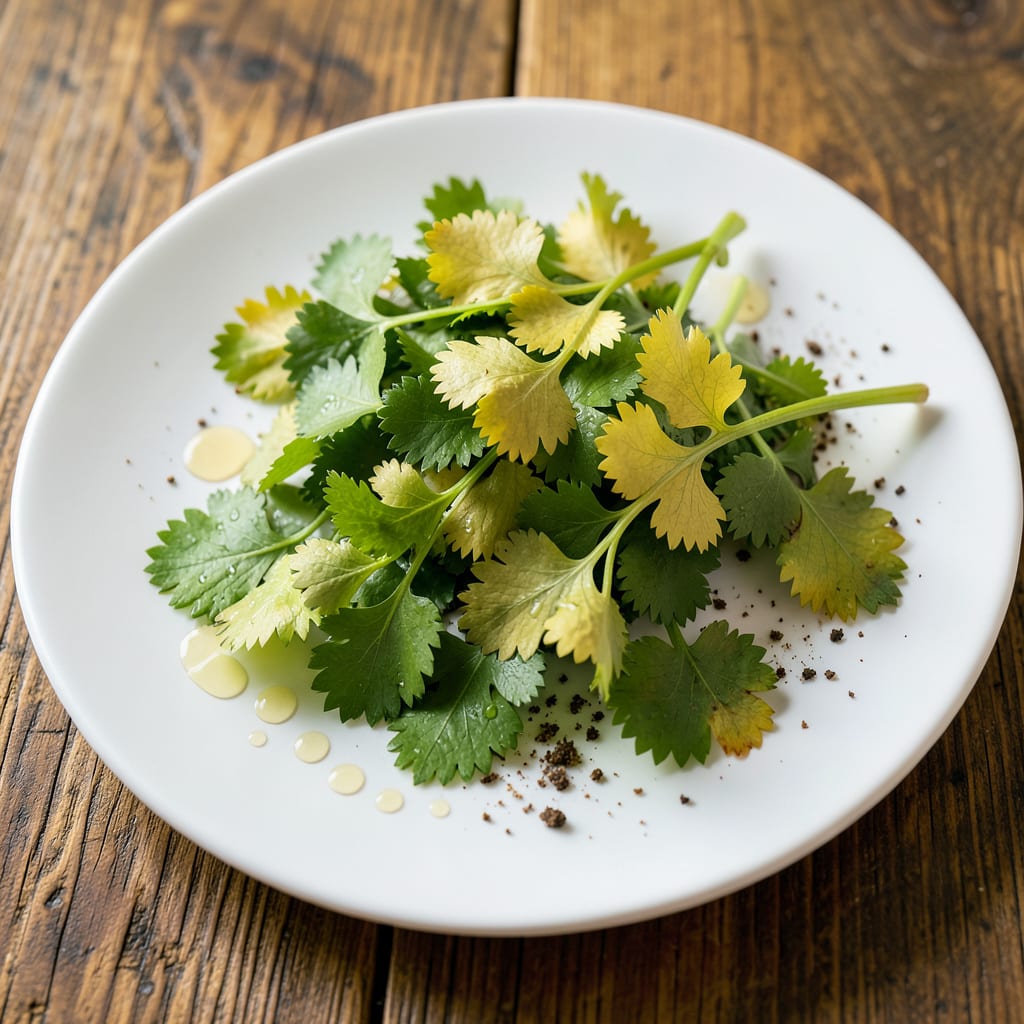
Yellow cilantro leaves are your plant’s way of waving a white flag. 🌱 I’ve nursed enough sickly herbs back to health to know this isn’t a death sentence.
The culprit is usually hiding in plain sight—too much water, not enough light, or soil that’s more desert than garden. My cilantro perked up within 48 hours once I adjusted these basics.
You’ll spot the pattern once you know what to look for: yellowing at the bottom means overwatering, while pale new growth screams for nutrients. The fix often takes less than a week to show results.
Works for container plants, garden beds, or that sad grocery store bunch you’re trying to revive. Here’s how to play plant detective.
Cilantro leaves turning yellow are often a sign of underlying stress. Here are the most common causes, explained with actionable insights:
Cilantro roots need oxygen, and waterlogged soil suffocates them. When roots can’t breathe, they rot, cutting off nutrient uptake. This leads to chlorosis (yellowing) as chlorophyll breaks down. Fix: Ensure pots have drainage holes and use well-draining soil. Water only when the top inch of soil is dry.
Yellowing often signals a lack of nitrogen (uniform yellowing) or iron (yellow leaves with green veins). Cilantro is a heavy feeder—depleted soil starves it of essential nutrients. Fix: Use a balanced fertilizer (10-10-10) or add compost for organic matter.
Cilantro thrives in cooler temperatures (50–85°F). Heat stress accelerates bolting (premature flowering), diverting energy from leaves. Direct afternoon sun can also scorch foliage. Fix: Provide shade cloth or move pots to a location with morning sun only.
Sap-sucking pests like aphids or spider mites drain nutrients, causing yellow spots or stippling. Their saliva also introduces toxins that disrupt photosynthesis. Fix: Spray with neem oil or insecticidal soap, and inspect leaf undersides weekly.
Pathogens like powdery mildew or root rot (from Pythium or Phytophthora) block water and nutrient transport. Yellowing starts at the base and spreads upward. Fix: Improve airflow, avoid wetting foliage, and apply copper-based fungicides if needed.
Don’t toss those yellowing cilantro leaves just yet! With a few simple fixes, you can nurse your plant back to vibrant green health. Below are targeted solutions for the most common causes, along with prevention tips to keep your cilantro thriving. 🌱
Fix: Let the soil dry out between waterings. Stick your finger an inch into the soil—if it feels damp, hold off on watering. Ensure your pot has drainage holes, and use well-draining soil (mix in perlite or sand for clay-heavy soil). If root rot is suspected, trim affected roots and repot in fresh soil.
Prevention: Water only when the topsoil is dry, and always use containers with drainage. 💡 Pro tip: Elevate pots to avoid waterlogging.
Fix: Move potted cilantro to a spot with partial shade, especially during peak afternoon hours. For garden beds, use shade cloth to filter intense sunlight. Mulch around the base to retain moisture and cool the roots.
Prevention: Plant cilantro in early spring or fall to avoid summer heat. Choose a location with morning sun and afternoon shade.
Fix: Yellowing often signals a nitrogen or magnesium shortage. Feed your cilantro with a balanced, water-soluble fertilizer (10-10-10) or add compost to the soil. For magnesium, sprinkle Epsom salt (1 tablespoon per gallon of water) around the base.
Prevention: Enrich soil with organic matter before planting, and fertilize lightly every 4–6 weeks during the growing season. 🎯 Pro tip: Avoid over-fertilizing—it can burn roots!
Fix: Spray leaves with a mix of water and mild soap to dislodge aphids or spider mites. For stubborn pests, use neem oil or insecticidal soap. Remove heavily infested leaves to prevent spread.
Prevention: Inspect plants regularly, especially the undersides of leaves. Companion planting with pest-repelling herbs like basil can help deter invaders. ✨ Pro tip: Encourage ladybugs—they’re natural pest controllers!
Fix: If cold snaps are the culprit, cover plants with a frost cloth or move pots indoors near a sunny window. For heat stress, increase watering frequency (but avoid soggy soil) and provide shade.
Prevention: Plant cilantro when temperatures are consistently between 50–85°F (10–29°C). Use row covers in early spring or late fall to protect from sudden temperature drops.
Water when the top 1 inch of soil feels dry. Overwatering is a common mistake, so always check soil moisture first. In hot weather, this may mean watering every 2-3 days.
Severely yellowed leaves won’t recover, but new growth will be green if you fix the underlying issue. Remove the yellow leaves and focus on adjusting care. You should see improvement in 1-2 weeks.
A balanced 10-10-10 liquid fertilizer works well. For quick results, use a nitrogen-rich option to address uniform yellowing. Always dilute to half strength to avoid burning the roots.
Lower leaves yellow first due to overwatering or poor drainage. This pattern signals the plant isn’t getting enough oxygen to its roots. Check your pot’s drainage holes and reduce watering frequency.
