
Beautiful Plants For Your Interior
Beautiful Plants For Your Interior
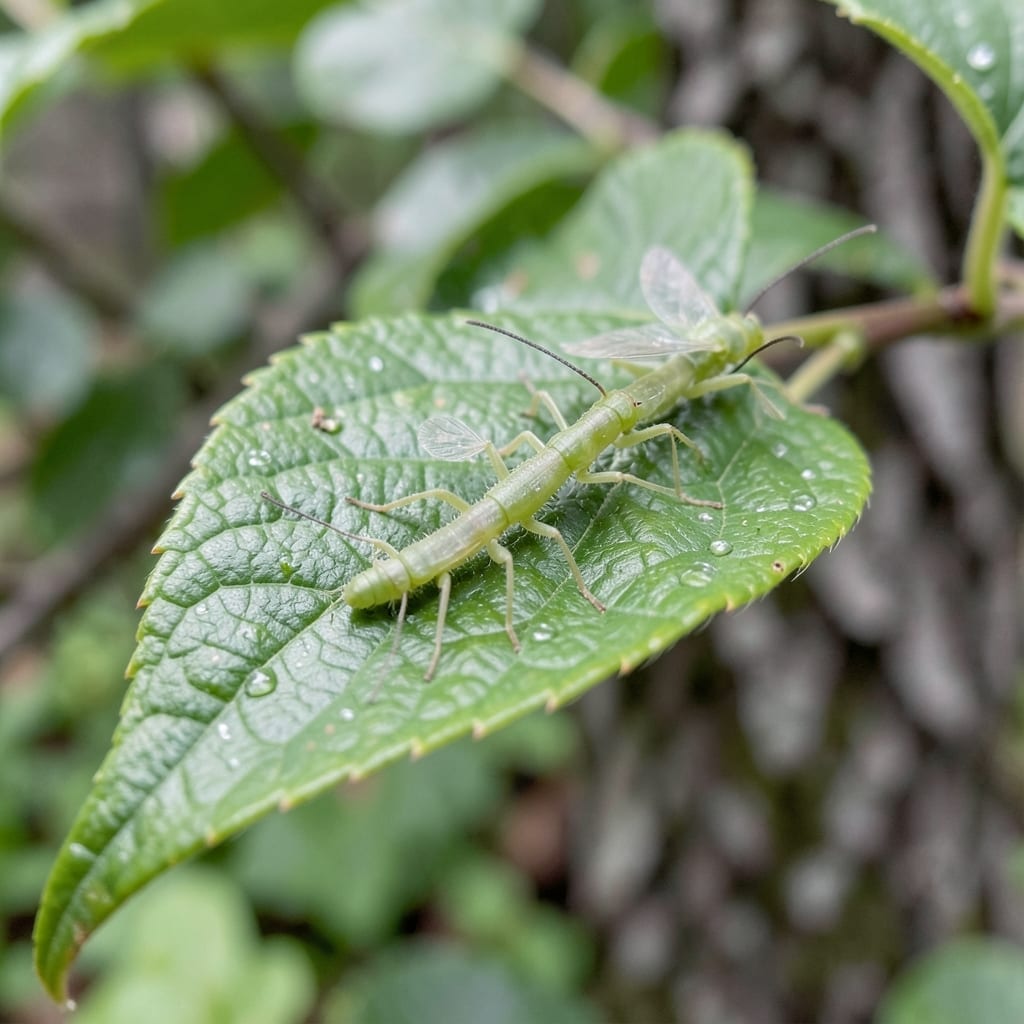
My ash tree looked fine last week—this week the leaves are curled and sticky. 🌿 Aphids move fast, turning healthy foliage into a stressed-out mess before you notice the tiny green invaders clustering on new growth.
They don’t just make leaves look ugly. Aphids suck sap, weakening the tree and leaving behind honeydew that attracts sooty mold. Left unchecked, repeated infestations can stunt growth and reduce your ash’s vigor over several seasons.
Here’s the thing—organic treatments work, but timing matters. A strong blast from the hose knocks them off early, while neem oil or insecticidal soap handles heavier infestations without chemicals.
Prevention is simpler than you think: encourage ladybugs, keep the tree healthy, and monitor new growth weekly. Your ash can bounce back faster than you expect.
Aphids thrive on ash trees due to a combination of environmental, biological, and ecological factors. Below are the primary reasons these pests target ash trees, explained with actionable insights.
Ash trees produce a nutrient-dense sap that is highly attractive to aphids. This sap is rich in amino acids and sugars, providing an ideal food source for aphid colonies. The phloem—the tree’s nutrient-transporting tissue—is particularly vulnerable to piercing by aphids, which use their needle-like mouthparts to extract the sap. This is why ash trees, especially young or vigorously growing ones, are prime targets.
Aphid populations explode in warm, dry springs followed by mild summers. Ash trees in regions with these conditions are more susceptible to infestations. Additionally, over-fertilization with nitrogen can promote excessive new growth, which is softer and easier for aphids to penetrate. Drought-stressed trees are also more vulnerable, as their weakened defenses make them easier targets.
When natural predators like ladybugs, lacewings, or parasitic wasps are absent, aphid populations can grow unchecked. This imbalance often occurs in urban or monoculture landscapes where biodiversity is low. Ash trees in such environments lack the ecological support to fend off aphids naturally, leading to rapid infestations.
Ash trees planted too closely together create a humid, sheltered environment that aphids love. Poor air circulation and dense canopies also reduce sunlight penetration, which can stress the tree and make it more susceptible. Regular pruning and proper spacing can help mitigate this risk by improving airflow and tree health.
Dealing with aphids on ash trees requires a mix of immediate action and long-term prevention. Below are practical solutions tailored to common causes, ensuring your ash trees stay healthy and aphid-free.
If you spot a small cluster of aphids, start with the simplest method: hand-picking or blasting them off. Use a strong stream of water from a garden hose to dislodge aphids from the leaves. For stubborn spots, wear gloves and gently wipe them off with a damp cloth. This works best for young trees or early infestations.
Prevention tip: Inspect leaves regularly, especially the undersides, to catch aphids before they multiply.
Introduce or attract natural predators like ladybugs, lacewings, or parasitic wasps. These insects feed on aphids and can significantly reduce their numbers. Plant companion flowers such as dill, fennel, or yarrow near your ash trees to draw in these helpful allies.
Prevention tip: Avoid broad-spectrum pesticides, as they can harm beneficial insects along with the pests.
For a larger infestation, use insecticidal soap or neem oil. Mix 1-2 tablespoons of mild liquid soap (without additives) with a quart of water and spray it directly onto the aphids. Neem oil, diluted according to package instructions, disrupts their life cycle. Apply in the early morning or late evening to avoid harming bees.
Prevention tip: Reapply after rain or every 7-10 days until the aphids are gone.
Healthy trees resist pests better. Improve soil quality with organic compost or mulch to boost your ash tree’s natural defenses. Ensure proper watering—deep and infrequent—to avoid stressing the tree, which can make it more susceptible to aphids.
Prevention tip: Fertilize in early spring with a balanced, slow-release formula to promote vigorous growth.
They appear as tiny green, black, or brown insects clustered on new growth and leaf undersides. You may also notice curled leaves or a sticky residue called honeydew.
Ash trees produce nutrient-rich sap that aphids love, especially during warm, dry springs. Over-fertilized or stressed trees are even more vulnerable to infestations.
Yes! Mix 1-2 tablespoons of mild dish soap with 1 quart of water and spray directly on aphids. Avoid harsh detergents that can damage foliage.
Act at the first sign of aphids, ideally in early morning or late evening. This protects bees and allows solutions to work before heat evaporates them.