
Beautiful Plants For Your Interior
Beautiful Plants For Your Interior
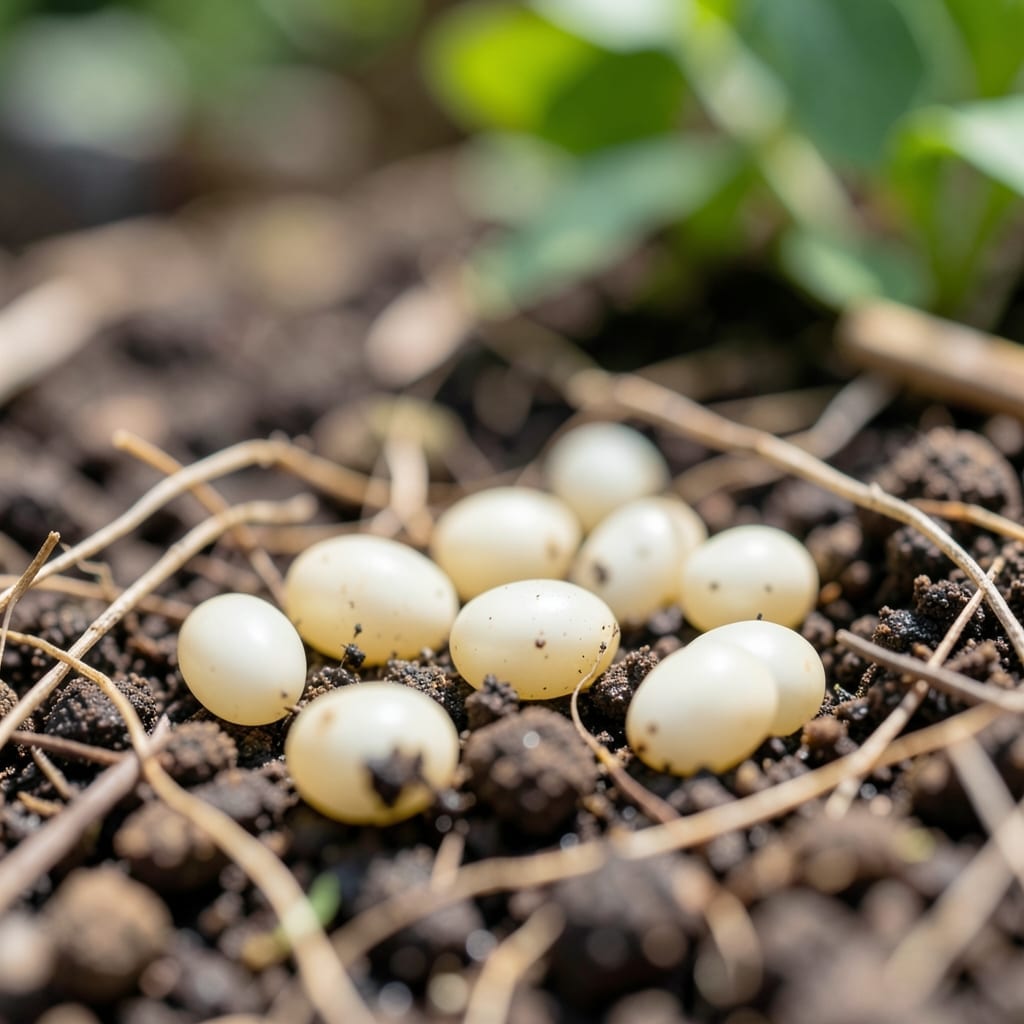
Those tiny black dots in your soil aren’t just dirt. Aphid eggs hide there all winter, waiting to explode into a full-blown infestation come spring. I learned this the hard way after losing an entire bed of kale overnight.
Here’s the thing—aphid eggs survive freezing temps and can lie dormant for months. They’re hard to spot but easy to prevent if you know what to look for. Most gardeners miss them until it’s too late.
Organic solutions do work, but timing is everything. Catch them early, and you’ll save your plants without harsh chemicals. The key is disrupting their life cycle before they hatch.
Works for raised beds, containers, or in-ground gardens. Let’s stop them before they start.
Aphids lay eggs in soil as a survival strategy, often triggered by environmental and biological factors. Below are the primary reasons this happens, each rooted in the pest’s lifecycle and habitat preferences.
Many aphid species, like the woolly apple aphid or green peach aphid, lay eggs in soil to overwinter. As temperatures drop in fall, adult aphids seek sheltered soil to deposit eggs, which remain dormant until spring. These eggs are cold-hardy, ensuring the next generation hatches when conditions warm up. This adaptation helps aphids avoid harsh weather and predators above ground.
Aphids often target soil near their preferred host plants (e.g., roses, fruit trees, or vegetables). Eggs laid at the base of these plants ensure emerging nymphs have immediate access to food. Some species, like root aphids, even lay eggs directly in the soil to feed on plant roots, bypassing the need to migrate.
Soil acts as a natural barrier against predators like ladybugs, lacewings, or parasitic wasps. By burying eggs just beneath the surface, aphids reduce exposure to these threats. Additionally, soil moisture and organic matter provide a stable microenvironment, shielding eggs from desiccation or extreme temperatures.
Tilling, overwatering, or excessive mulching can inadvertently create ideal conditions for aphid egg deposition. Disturbed soil exposes fresh, nutrient-rich layers, while wet soil offers the humidity aphid eggs need to thrive. Gardens with heavy organic matter (e.g., compost) may also attract egg-laying females seeking nutrient-dense sites.
Dealing with aphid eggs in your soil doesn’t have to be a losing battle. Below are practical, step-by-step solutions to tackle the issue based on its root cause, along with tips to keep your garden aphid-free long-term.
If aphid eggs have survived the winter in your soil, solarization is a chemical-free fix. Cover the affected soil with a clear plastic tarp during the hottest weeks of summer. Secure the edges to trap heat. The sun’s rays will raise the soil temperature to levels lethal to eggs and larvae. Leave the tarp in place for 4–6 weeks for best results.
Prevention tip: 💡 Rotate crops yearly to disrupt aphid life cycles and reduce reinfestation.
Aphids love damp, decaying organic matter. Remove fallen leaves, weeds, and plant debris from the soil surface, as these can harbor eggs. Ensure your soil has good drainage by amending it with compost or sand to prevent waterlogging, which attracts aphids.
Prevention tip: 🌡️ Avoid overwatering and use drip irrigation to keep foliage and soil surface dry.
If you spot early signs of aphids or their eggs, release natural predators like ladybugs, lacewings, or parasitic wasps into your garden. These insects feed on aphid eggs and nymphs, providing long-term control without chemicals. Purchase them from garden centers and release them in the early morning or late evening for best results.
Prevention tip: ✨ Plant aphid-repelling flowers like marigolds, nasturtiums, or alyssum to attract beneficial insects.
For container gardens, aphid eggs in potting soil can be tough to eliminate. Sterilize the soil by baking it in the oven at 200°F (93°C) for 30 minutes to kill eggs and larvae. Alternatively, replace the soil entirely if the infestation is severe.
Prevention tip: 🎯 Always use fresh, high-quality potting mix for new plants and avoid reusing soil from infested containers.
Look for tiny black or brown oval dots near plant stems or on the soil surface. They’re often clustered in groups and may appear shiny. Use a magnifying glass for better visibility, especially in winter or early spring.
Yes, many species lay cold-hardy eggs that remain dormant through freezing temperatures. They hatch when soil warms in spring, making early detection and treatment crucial.
For small areas, baking soil at 200°F for 30 minutes kills eggs instantly. For larger gardens, solarization with clear plastic for 4–6 weeks in summer works effectively.