
Beautiful Plants For Your Interior
Beautiful Plants For Your Interior
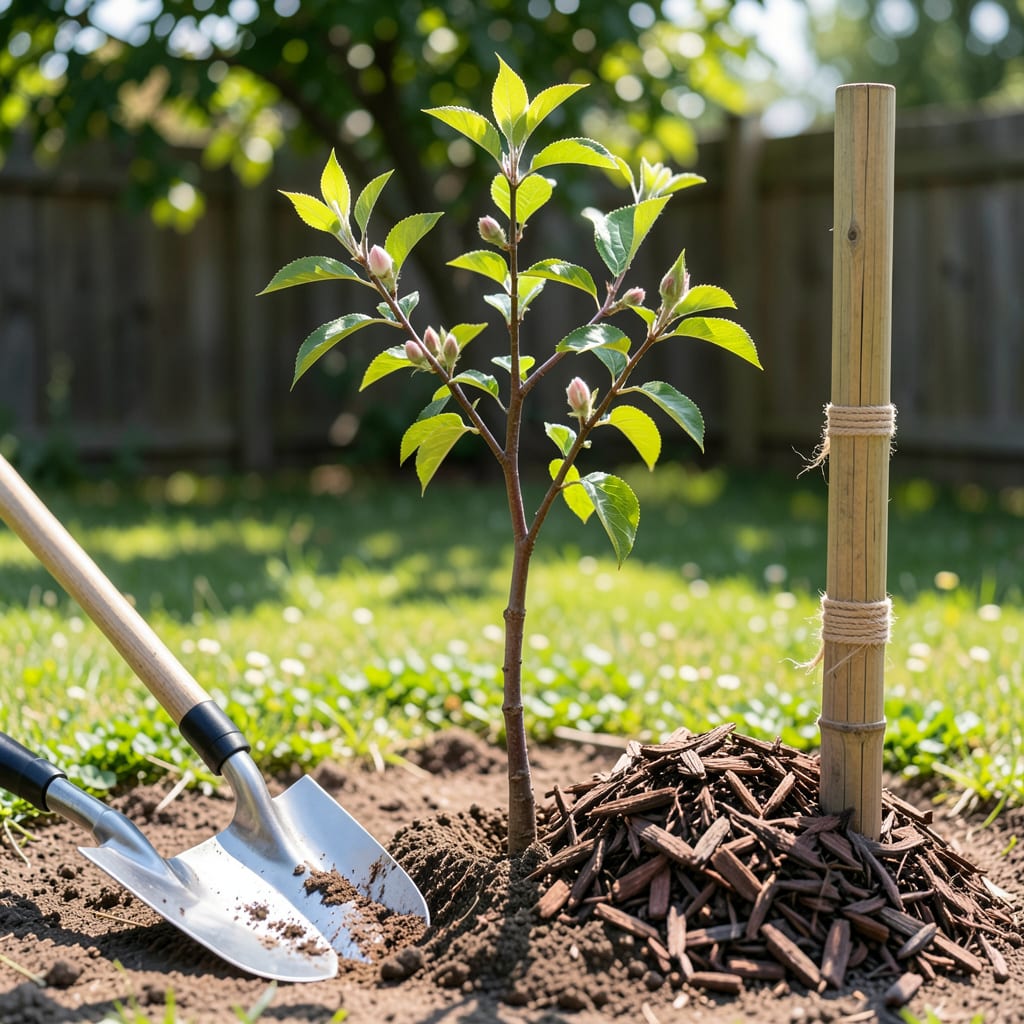
That moment you bring home a young 🌳 fruit tree, full of dreams about future harvests—only to watch it struggle because the timing was off. In Zone 8b, where winters flirt with 15°F and summers scorch, nailing the planting window isn’t just helpful—it’s the difference between thriving orchards and heartbreak.
After years of testing (and a few failed saplings), I’ve cracked the code for when to get those roots in the ground. We’re talking late winter to early spring, but with critical nuances for bare-root vs. potted trees. Stick with me, and I’ll show you exactly how to set your trees up for decades of bounty—no guesswork required.
If you’re in USDA Zone 8b, your fruit tree success starts with timing. The late winter to early spring window—typically February through March—is ideal. This period balances dormancy needs with soil workability, avoiding both frost damage and summer stress.
Why does timing matter so much? Planting too early risks frost damage to tender roots, while waiting too long means battling summer heat that can shock young trees. The sweet spot is when soil temps hit 45°F+ but before buds break dormancy.
Pro Tip: Bare-root trees thrive planted in late winter; container-grown can wait until early spring.
For bare-root trees, aim for February while they’re dormant. These trees establish roots quickly but need protection from hard freezes. I always mulch heavily—3–4 inches of wood chips—to insulate roots during temperature swings.
Container-grown trees offer more flexibility. You can plant them through April, but avoid peak summer. Their established root balls handle transplant shock better, making them ideal for beginner gardeners or urban microclimates with heat islands.
Coastal vs. inland Zone 8b makes a difference. In coastal areas (like Savannah or Charleston), milder winters allow earlier planting by 2–3 weeks. Inland (e.g., Dallas or Raleigh), wait until soil thaws—usually late February—before digging.
Don’t forget soil prep! Test drainage by digging a 12-inch hole and filling it with water. If it drains in under an hour, you’re good. For clay-heavy soil, amend with compost or sand to prevent root rot. A pH of 6.0–7.0 suits most fruit trees.
After planting, deep watering is critical—1–2 inches per week for the first month. Use a drip irrigation system to target roots directly and reduce evaporation. I’ve found that morning watering (before 10 AM) cuts fungal risks dramatically.
Watch for false springs—those warm spells in January that trick trees into early blooming. If buds swell prematurely, be ready with frost cloth or a mini greenhouse to protect tender growth. A sudden freeze can wipe out a season’s fruit!
For dwarf varieties, timing is less critical but still matters. Their smaller root systems dry out faster, so spring planting (March–April) gives them a moisture advantage. Just ensure they get full sun (6+ hours daily) to maximize fruit production.
Finally, mulch is your ally. Apply a 2–3 inch layer of organic mulch (avoid touching the trunk!) to regulate soil temp and retain moisture. In Zone 8b’s humid summers, this also suppresses weeds that compete for nutrients.
Even with perfect timing, small errors can doom your fruit trees in Zone 8b. I’ve seen gardeners lose years of growth from avoidable mistakes—like planting during false springs or picking varieties that can’t handle our humid summers. Let’s fix that!
The biggest blunder? Ignoring chill hour requirements. Trees like apples and peaches need 500–1,000 chill hours (temps below 45°F) to fruit properly. Without them, you’ll get leaves but no harvest. Always check labels for low-chill varieties if you’re in warmer microclimates.
Another costly error: planting in low spots where cold air pools. These frost pockets can kill blossoms overnight. I lost a peach tree this way—now I plant on slight slopes or raised mounds to improve airflow and drainage.
Don’t overlook disease resistance either. Zone 8b’s humidity breeds fungal issues like peach leaf curl and apple scab. Opt for resistant cultivars (e.g., ‘Redhaven’ peaches or ‘Liberty’ apples) to cut spray needs by 50%.
Many gardeners also underestimate container size for dwarf trees. A 15-gallon pot might seem huge, but roots fill it in 2–3 years. Start with 24-inch diameter containers and upgrade every other year to prevent root binding.
Finally, ignoring pollination needs is a silent killer. Most apples and pears need cross-pollinators within 50 feet. If space is tight, plant self-fruitful varieties like ‘Starkrimson’ apples or ‘Bartlett’ pears. I always add a mason bee house to boost pollination rates naturally.
Remember: Zone 8b’s long growing season is a blessing—but only if you avoid these traps. Test your soil, pick the right variety, and plant at the Goldilocks moment (not too early, not too late). Your future harvests will thank you! 🌳
Getting your fruit trees in the ground at the right time in Zone 8b can feel like solving a puzzle. The key is working with our mild winters and hot summers—not against them. After years of trial and error, I’ve nailed down a month-by-month roadmap to maximize success.
Start prepping in December by testing your soil’s drainage and pH. Aim for a pH of 6.0–7.0—most fruit trees thrive in this range. If your soil is heavy clay, mix in compost or sand to improve aeration. This step is non-negotiable for preventing root rot later.
January: Order bare-root trees; prep planting sites.
February: Plant bare-root trees (apples, peaches, pears).
March: Ideal for container-grown trees (figs, persimmons).
April: Last call for citrus—wait until after final frost.
May+: Focus on watering & mulching to beat summer heat.
February is prime time for planting bare-root trees. The soil is workable, but trees are still dormant. I’ve found that apples, peaches, and pears establish best when planted now. Just watch for false springs—a warm spell followed by frost can damage new growth.
By March, shift to container-grown trees like figs and persimmons. These handle transplant shock better and benefit from warming soils. If you’re planting citrus, wait until April or May when frost risk is gone. Satsumas and kumquats are your safest bets for Zone 8b’s occasional cold snaps.
Post-planting care is just as critical. Water deeply—1–2 inches weekly—for the first month. Use drip irrigation to avoid wetting leaves, which invites fungal diseases. Mulch with 3–4 inches of wood chips, keeping it 3 inches away from the trunk to prevent rot.
Finally, monitor for pests like aphids and scale insects, which thrive in Zone 8b’s humidity. I spray horticultural oil in early spring to smother overwintering pests. With this calendar, you’ll set your trees up for decades of harvests—not just survival. 🌳
Bare-root trees are dormant and should go in the ground in late winter (February). They establish roots quickly but need protection from frost. Container-grown trees can be planted later—March to April—since their root systems are already developed.
It’s risky. Summer’s extreme heat stresses young trees, increasing transplant shock. If you must, choose container-grown trees, plant in early morning, and provide temporary shade. Even then, survival rates drop significantly.
Use frost cloth or burlap wrapped loosely around the tree, securing it at the base. For extra protection, add a layer of mulch (3–4 inches) to insulate roots. Avoid plastic—it traps moisture and can cause rot.
Start with figs, persimmons, or dwarf peaches. They’re forgiving, drought-tolerant once established, and produce fruit within 2–3 years. Figs even thrive in containers! Avoid finicky trees like apples until you’ve got experience.
Young trees need 1–2 inches of water weekly for the first month. Use a drip irrigation system to deliver water slowly at the root zone. Morning watering (before 10 AM) reduces evaporation and fungal risks.
