
Beautiful Plants For Your Interior
Beautiful Plants For Your Interior
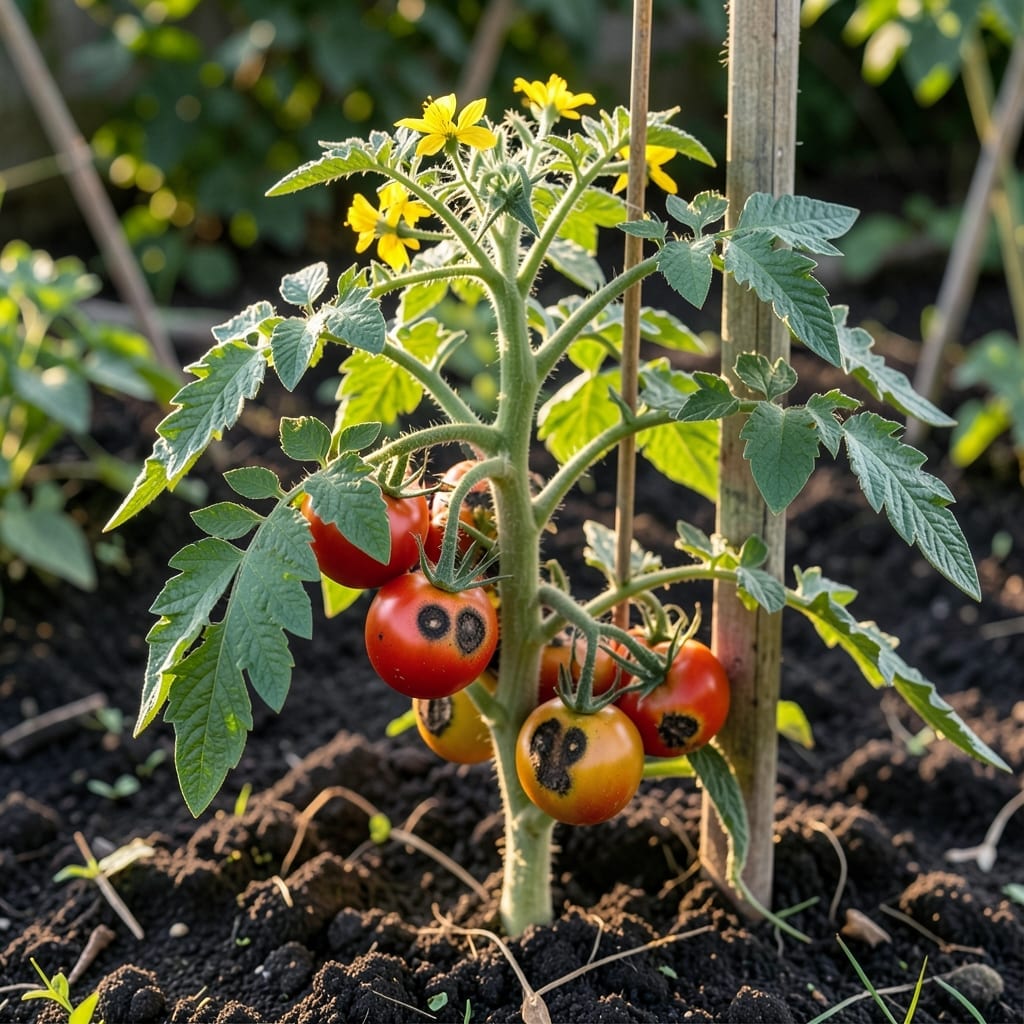
That first spot of anthracnose on a perfect tomato ruined my entire harvest one season. I learned the hard way that early detection is everything—once those sunken, circular lesions appear, the fruit’s already in trouble.
This fungal disease thrives in wet, warm conditions, often spreading through splashing water. I started checking my plants daily after a rain, and I caught the next outbreak before it took hold.
Organic treatments like copper sprays and baking soda solutions can stop it in its tracks. The key is consistency—apply before the problem starts, not after it’s already spreading.
Prevention is simpler than you’d think: good airflow, mulch to prevent soil splash, and removing infected fruit immediately. My tomatoes have been clean for 3 seasons straight.
Anthracnose in tomatoes is primarily caused by the fungal pathogen Colletotrichum spp., but its development depends on specific environmental and cultural conditions. Below are the key triggers:
The fungus thrives in warm, wet conditions. Prolonged periods of rain, overhead irrigation, or high humidity (above 90%) create the perfect breeding ground. Water droplets help spores spread and germinate on fruit surfaces, especially when temperatures range between 75–85°F (24–29°C).
Colletotrichum targets ripe or overripe tomatoes, as their softer skins are easier to penetrate. Physical damage—from insects, hail, or rough handling—also provides entry points for the fungus. Even minor bruises can invite infection.
The fungus overwinters in infected plant debris, soil, or seeds. If previous crops had anthracnose, spores can persist and infect new plants. Poor crop rotation or failing to remove diseased plant matter increases recurrence risks.
Dense plant canopies or crowded garden beds restrict airflow, slowing moisture evaporation. This prolongs leaf and fruit wetness, giving the fungus more time to infect. Pruning and proper spacing (18–24 inches apart) help mitigate this.
While Colletotrichum prefers warmth, sudden temperature swings (e.g., cool nights followed by hot days) can stress plants, making them more susceptible. Stress weakens natural defenses, allowing the fungus to take hold more easily.
Anthracnose can be managed with a mix of cultural practices and targeted treatments. Here’s how to address the most common causes and prevent future outbreaks.
As soon as you spot sunken, circular lesions on tomatoes, remove and destroy affected fruits to prevent the fungus from spreading. Do not compost them, as the pathogen can survive and reinfect plants. Bag and dispose of them in the trash or burn them if local regulations allow.
Fungal spores thrive in damp, stagnant conditions. Prune excessive foliage to allow better airflow around plants. Space tomato plants at least 2–3 feet apart, and stake or cage them to keep fruit off the ground. This reduces humidity and minimizes spore germination.
Avoid overhead watering, which wets the leaves and fruit, creating ideal conditions for anthracnose. Instead, use drip irrigation or a soaker hose to deliver water directly to the soil. Water early in the day so foliage dries quickly in the sun.
For active infections, spray plants with copper-based fungicides or neem oil at the first sign of disease. Apply every 7–10 days, especially during wet weather. Always follow label instructions for safe and effective use.
Look for sunken, circular spots that turn dark and water-soaked. These lesions often have concentric rings and may develop salmon-colored spores in the center.
Yes, immediately remove and destroy affected fruit to prevent spores from spreading. Do not compost them, as the fungus can survive.
It’s best to avoid eating infected fruit. The fungus can penetrate the flesh, and while not toxic, it affects taste and quality.
Rotate crops, use mulch to prevent soil splash, and choose resistant varieties like ‘Mountain Merit’. Clean up all plant debris after harvest.